
Korean skincare and beauty didn’t become a global obsession overnight. Its rise is the result of decades of innovation, cultural philosophy, and an unwavering focus on skin health over short-term results. What began as a local approach rooted in prevention and balance has evolved into an international standard. This standard shapes how the world thinks about skincare, makeup, and daily routines.
This guide breaks down what makes Korean beauty different, why it works, and how to navigate the products and practices that actually matter.
Table of Contents
- Korean Skin Care and Korean Beauty Products Explained
- A Brief History of Beauty in Korea
- Why Korean Skincare Became a Global Standard;
- How Korean Skincare Differs From Western Approaches
- Korean Skincare & Beauty Trends That Shape the Industry
- Ingredients That Make Korean Skincare Unique
- Top Korean Skincare Products to Buy Today
- How to Choose the Best Korean Skin Care Products for Your Skin Type
- How Long Does Korean Skincare Take to Work?
- Korean Skincare vs Western Skincare: Timelines and Results Compared
- Who Korean Skincare Is Best For
- Who Korean Skincare May Not Be Ideal For
- How to Transition Into Korean Skincare (Without Overhauling Everything)
- FAQs About Korean Skincare & Beauty
Korean Skin Care and Korean Beauty Products Explained
At the heart of Korean skincare and beauty is a simple yet powerful belief: healthy skin is built over time, not achieved overnight. Widely regarded as the foundation of the best Korean skincare, this approach prioritizes prevention, balance, and consistency over aggressive correction. In South Korea, skincare is viewed as daily maintenance for long-term health, not a response to problems once they appear.
Instead of stripping the skin or chasing harsh results, a thoughtful Korean skincare routine focuses on strengthening the skin barrier, maintaining hydration, and gently addressing concerns such as dead skin cells, excess sebum, and congestion.
This is why steps like the double cleanse using an oil cleanser or cleansing balm, followed by a mild gel cleanser, are so central. These methods help remove makeup, unclog pores, and prep skin without disrupting its natural balance, whether you have oily, dry, or acne-prone skin.
A Brief History of Beauty in Korea
Korean skincare has deep roots in traditional herbal medicine, where ingredients like ginseng, green tea, mugwort, and licorice were used to support overall wellness, including the skin. These early formulations emphasized harmony within the body and the environment.
Following the Korean War, rapid modernization and increased access to dermatological research accelerated innovation. By the late 20th century, Korea had become a hub for cosmetic science, with brands investing heavily in in-house labs and clinical testing.
This led to the rise of K-beauty research and development culture: fast-moving, ingredient-focused, and deeply consumer-driven. Brands responded quickly to real skin concerns, refining formulas faster than their Western counterparts; a practice that still defines the industry today.
Why Korean Skincare Became a Global Standard
Korean skincare gained global traction because it solved real problems better and faster. Ingredient transparency allowed consumers to understand what they were putting on their skin. Innovation cycles were shorter, meaning discoveries reached shelves quickly. And despite advanced formulations, products remained accessible and affordable.
This combination made high-quality skincare feel attainable. Instead of luxury pricing tied to branding, Korean products focused on function. Over time, Western brands adopted many of these principles, including layering routines and ingredients such as snail mucin, centella asiatica, and multi-weight hyaluronic acid.
Today, Korean skincare is no longer niche. It’s a benchmark.
How Korean Skincare Differs From Western Approaches
Western skincare often revolves around single “hero” products designed to do everything at once. Korean skincare takes the opposite approach: layering light, targeted formulas that work together.
There’s a strong focus on skin barrier health, hydration, irritation prevention, and support for the skin’s natural defenses. Texture innovation plays a huge role here. Essences, ampoules, emulsions, and gel creams deliver active ingredients without heaviness, making routines customizable and adaptable.
The result is skin that looks balanced, resilient, and naturally radiant, not masked or overcorrected.
Korean Skincare & Beauty Trends That Shape the Industry
Glass Skin (Not Shine-Structure)
Glass skin is often misunderstood as simply “glowy” skin. In reality, it refers to smooth texture, even tone, and deep hydration that reflects light naturally. There’s no grease, no shimmer; just healthy skin that appears clear and luminous.
Achieving this look relies on hydration layers, gentle exfoliation, and barrier support, not heavy makeup or highlighter.
Skin Barrier Repair & Microbiome Care
Modern Korean skincare heavily prioritizes barrier repair. Ingredients such as ceramides, heartleaf, and Centella asiatica help calm inflammation, strengthen the skin barrier, and reduce sensitivity.
As more people experience over-exfoliation and reactive skin, gentle formulas dominate. Sensitive-skin products aren’t a niche in Korea; they’re the norm.
Multi-Functional Products
Efficiency is a defining trend. Toner-essence hybrids streamline routines without sacrificing results, while sunscreen formulas double as moisturizers or primers. These products reduce steps while maintaining effectiveness, making them ideal for modern lifestyles.
Overnight Treatments & Sleeping Masks
Nighttime skincare is central in Korean routines because skin naturally repairs itself while you sleep. Overnight masks leverage occlusion and hydration science to retain moisture, support elasticity, and maximize ingredient absorption for several hours.
Rather than quick fixes, these treatments work gradually to reinforce long-term skin health.
Minimal Makeup, Maximum Skin Impact
Korean beauty favors skin-first makeup. Foundations are lighter, finishes are more natural, and coverage enhances rather than conceals. Makeup is treated as an extension of skincare, designed to enhance the appearance of the skin, not to cover it.
Ingredients That Make Korean Skincare Unique
- Heartleaf (Houttuynia Cordata): A calming botanical known for soothing irritation and supporting sensitive skin. Ideal for redness-prone and acne-prone skin.
- Snail Mucin: Rich in glycoproteins that support hydration, elasticity, and skin repair. Especially beneficial for dehydrated or textured skin.
- Centella Asiatica: A staple for calming inflammation and strengthening the skin barrier. Often used for sensitive and compromised skin.
- Niacinamide: Supports brightening, oil balance, and barrier health. Widely used in Korean formulations for its versatility.
- Tranexamic Acid: Gently targets uneven tone and discoloration, making it suitable for sensitive skin.
- Ceramides: Essential for maintaining the skin’s moisture barrier and preventing water loss.
- Hyaluronic Acid (Multi-Weight): Different molecular sizes hydrate multiple skin layers, providing lasting moisture without heaviness.
- Peptides: Support skin firmness and elasticity by signaling repair processes.
- PDRN (Salmon DNA): Used for skin regeneration and elasticity support, especially in advanced treatments.
- Birch Sap: A hydrating alternative to water that delivers minerals and amino acids.
- Mugwort: Known for its anti-inflammatory and calming properties.
- Fermented Ingredients: Improve ingredient absorption and enhance skin tolerance.
Top Korean Skincare Products to Buy Today
Not all Korean skincare products are created equal. What sets the best formulas apart isn’t novelty or hype, but how thoughtfully they’re engineered, how well they respect the skin barrier, and how consistently they perform over time. EveryMarket’s curation focuses on products that deliver visible improvements without overwhelming the skin, making them reliable choices for real routines, not just trends.
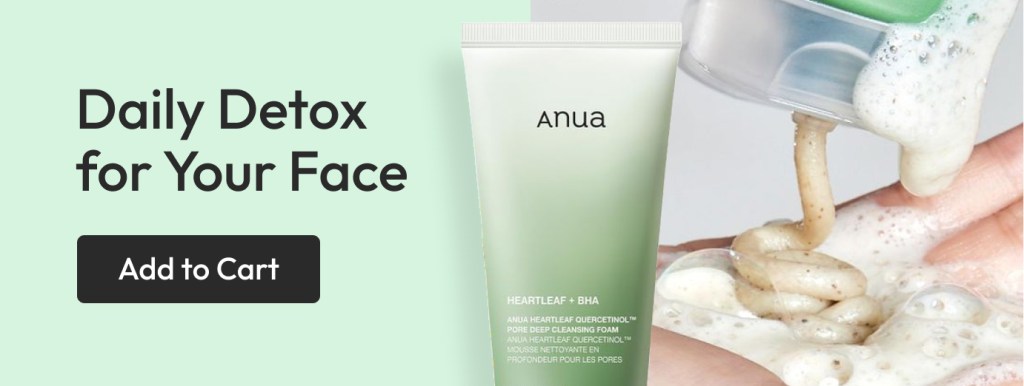
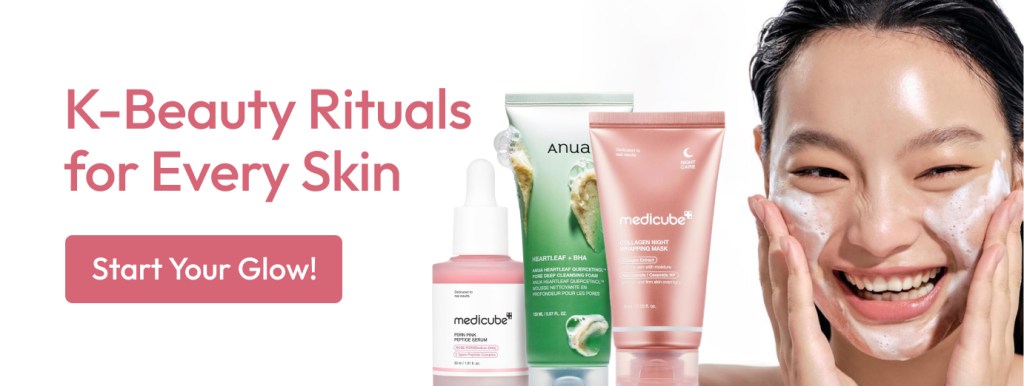
ANUA Heartleaf Quercetinol Pore Deep Cleansing Foam
What it does: This gentle daily cleanser removes impurities, excess oil, and residue while helping calm irritation and reduce congestion. Its formula cleans deeply without leaving the skin tight or stripped.
Why it earns its spot: Unlike many foaming cleansers that rely on harsh surfactants, ANUA’s heartleaf-based formula balances light exfoliation with soothing ingredients. Heartleaf, known for its anti-inflammatory properties, helps calm redness while supporting clarity. The addition of quercetinol supports pore care without disrupting the skin barrier, making this cleanser effective yet unusually comfortable for daily use.
Best for: Sensitive, acne-prone, or combination skin types that need thorough cleansing without irritation.
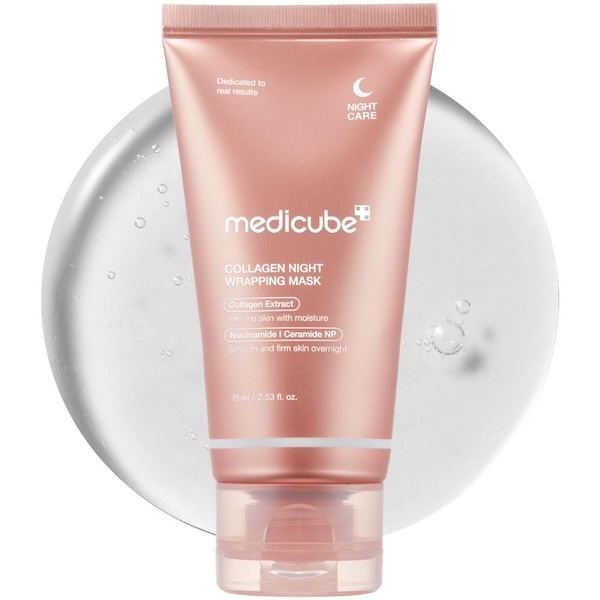
Medicube Collagen Overnight Wrapping Mask
What it does: This overnight treatment improves skin elasticity, hydration, and overall firmness while you sleep.
Why it earns its spot: Many masks hydrate temporarily, but this one is designed around elasticity, a key factor in aging skin. The wrapping peel-off technology creates a breathable film that keeps active ingredients in contact with the skin for hours, enhancing absorption overnight. Medicube’s dermatology-driven approach prioritizes structure and firmness over surface moisture alone, which is why results are more noticeable with consistent use.
Best for: Dull, tired-looking, or aging skin that needs support in firmness and resilience.
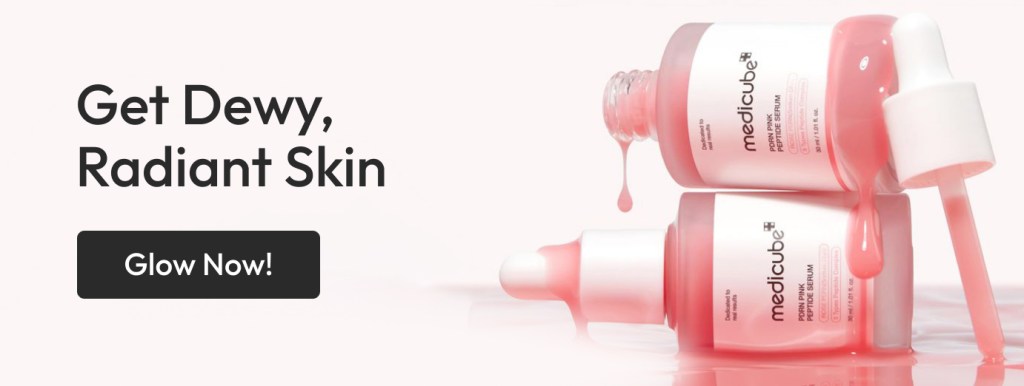
Medicube PDRN Pink Peptide Serum
What it does: This serum helps improve skin tone, firmness, and radiance while supporting overall skin regeneration.
Why it earns its spot: PDRN, derived from salmon DNA, is widely used in Korean dermatological treatments for its skin-repair-supporting properties. When combined with peptides and niacinamide, this serum targets early signs of aging while improving skin glow and texture. Medicube formulates this serum to absorb easily without heaviness, allowing it to layer seamlessly into both minimal and multi-step routines.
Best for: Uneven tone, early signs of aging, or skin that lacks vitality and bounce.
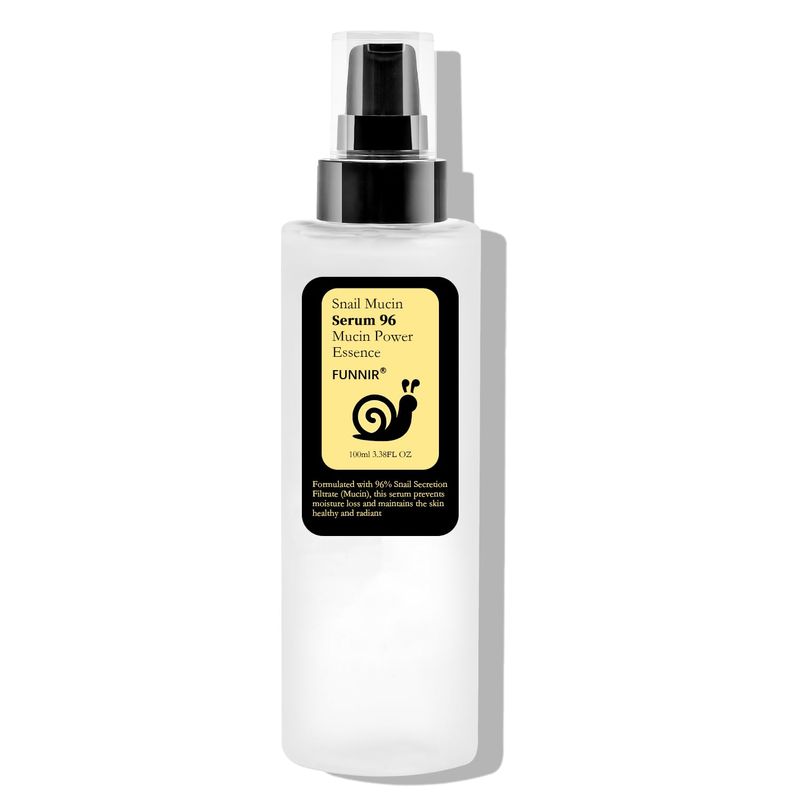
FUNNIR Snail Mucin 96% Essence
What it does: Delivers intense hydration while smoothing texture and supporting skin repair.
Why it earns its spot: Snail mucin is a cornerstone of Korean skincare, but concentration and formulation matter. FUNNIR’s 96% snail secretion filtrate provides high efficacy without the sticky or heavy feel often associated with snail products. It absorbs quickly, helps reduce roughness, and creates a hydrated base that improves how makeup sits on the skin.
Best for: Dehydrated, textured, or post-acne skin that needs moisture and repair without clogging.
Dr.Althea 345 Relief Cream
What it does: Calms irritation, reduces redness, and strengthens the skin barrier.
Why it earns its spot: This cream is built around barrier-first recovery rather than aggressive actives. Ingredients such as tea tree leaf water and niacinamide work together to soothe stressed skin and enhance moisture retention. Dr. Althea’s approach focuses on balance, making this cream a reliable option for skin that reacts easily or feels compromised by overuse of exfoliants.
Best for: Sensitive, reactive, or over-treated skin in need of gentle recovery.
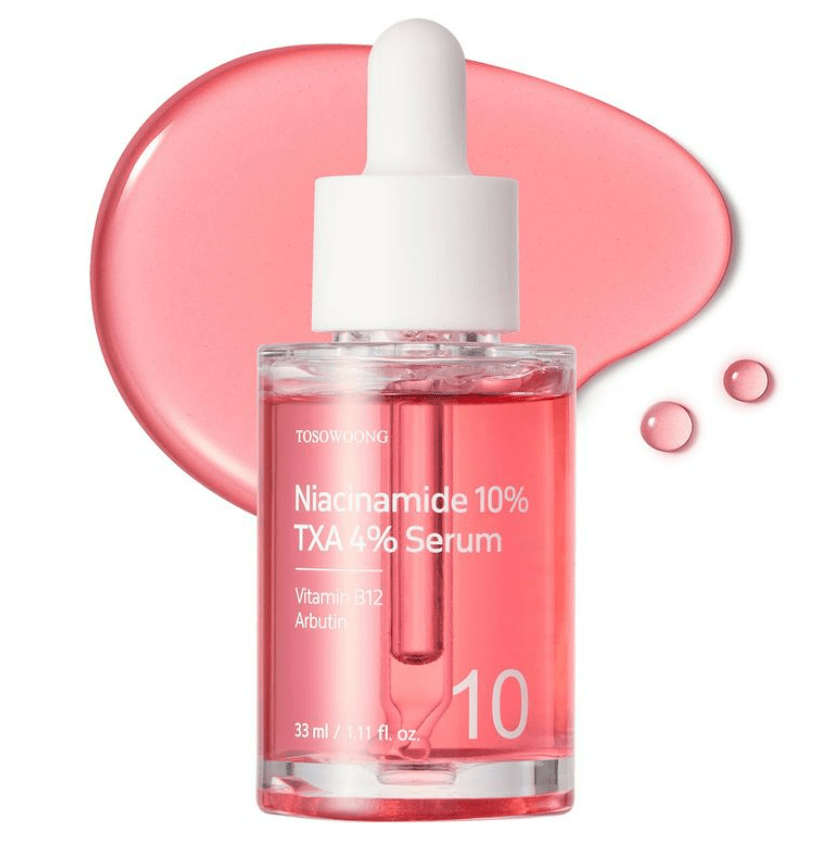
TOSOWOONG Niacinamide + Tranexamic Acid Serum
What it does: Brightens dull skin and helps improve uneven tone over time.
Why it earns its spot: This serum combines niacinamide with tranexamic acid, a pairing known for targeting discoloration while remaining suitable for sensitive skin. Unlike harsher brightening formulas, this one gradually supports clarity, making it ideal for long-term use without increasing the risk of irritation.
Best for: Hyperpigmentation, post-acne marks, and uneven skin tone.
ROUND LAB Birch Juice UV Lock SPF
What it does: Provides broad-spectrum sun protection while hydrating the skin.
Why it earns its spot: Sunscreen is non-negotiable in Korean skincare, and this formula excels by combining protection with comfort. Birch juice replaces plain water as a base, delivering hydration and minerals while the SPF protects without leaving a white cast. Its lightweight, oil-free texture makes it easy to use daily, even under makeup.
Best for: All skin types, especially those who prefer lightweight, non-chalky sunscreens.
d’Alba White Truffle First Spray Serum
What it does: Instantly hydrates, refreshes, and adds radiance throughout the day.
Why it earns its spot: This mist-serum hybrid is designed for flexibility. Infused with Italian white truffle extract and nourishing oils, it can be used before skincare, over makeup, or anytime skin feels dry. It’s fine mist distributes evenly, delivering glow without disrupting makeup or leaving residue.
Best for: Busy routines, travel, or anyone who wants on-demand hydration.
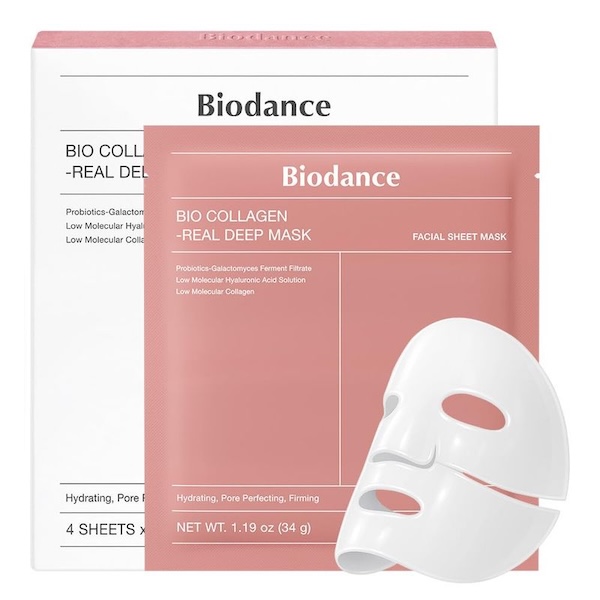
BIODANCE Bio-Collagen Real Deep Mask
What it does: Deeply hydrates, plumps, and supports elasticity with an overnight hydrogel treatment.
Why it earns its spot: Hydrogel masks allow better ingredient contact than traditional sheet masks, reducing evaporation and improving absorption. This bio-collagen mask focuses on moisture retention and skin fullness, making it especially effective when skin feels depleted or dull. It’s a treatment that feels luxurious while delivering tangible hydration benefits.
Best for: Dehydrated skin, special prep days, or intensive overnight care.
How to Choose the Best Korean Skin Care Products for Your Skin Type
Korean skincare has become a global standard for innovation and ingredient quality, but its popularity has also created new challenges for shoppers. When buying skincare online, especially from international brands, authenticity and proper sourcing matter just as much as the formula itself.
A product’s effectiveness and safety depend not only on what’s inside the bottle, but on how it was manufactured, stored, and handled before it reaches your skin.
Why Authenticity Matters More Than Ever
As demand for Korean skincare has grown, so has the number of unauthorized sellers and unverified listings online. Counterfeit or improperly sourced products can contain altered formulations, expired ingredients, or incorrect labeling. Even subtle differences in packaging or storage conditions can affect a product’s stability and performance.
Authentic products come directly from the brand’s intended supply chain and are manufactured under controlled conditions. When you purchase genuine Korean skincare, you’re getting the formulation as it was designed to perform, with the correct ingredient concentrations and safety testing intact.
Shopping from reliable sources reduces the risk of irritation, allergic reactions, and ineffective results, particularly for products containing active ingredients or designed for sensitive skin.
Understanding Ingredients Before You Buy
Ingredient literacy is a key part of safe skincare shopping. Korean beauty is known for advanced formulations that often combine botanical extracts, fermented ingredients, and modern actives. While these formulas are thoughtfully designed, not every ingredient works for every skin type.
Learning how to recognize common ingredients, such as centella asiatica for calming, niacinamide for brightening, or hyaluronic acid for hydration, helps you choose products that align with your skin’s needs. It also helps you avoid layering incompatible products or overusing strong actives, which can compromise the skin barrier.
A transparent ingredient list enables shoppers to make informed decisions, especially for those with sensitive, acne-prone, or reactive skin.
Storage, Handling, and Product Integrity
Skincare products are sensitive to heat, light, and air exposure. Improper storage during transit or warehousing can degrade active ingredients, reducing effectiveness over time. This is particularly important for products like serums, sunscreens, and masks that rely on precise formulations.
Reliable sourcing ensures products are stored and shipped in conditions that maintain their integrity. When products pass through unclear distribution channels, there’s often no visibility into how long they’ve been stored, where they’ve traveled, or whether they’ve been exposed to conditions that affect quality.
How EveryMarket Removes the Guesswork
EveryMarket’s approach to Korean skincare is built around curation rather than volume. Instead of overwhelming shoppers with numerous unverified listings, the platform focuses on offering products from trusted brands, providing transparent sourcing and product information.
By curating Korean skincare in a single centralized marketplace, EveryMarket helps reduce the uncertainty that often accompanies international shopping. Shoppers don’t need to cross-check multiple sellers, question authenticity, or worry about unclear origins. Each product is presented transparently and consistently, making it easier to shop with confidence.
This approach supports safer skincare decisions and enables customers to focus on what matters most: choosing products that suit their skin and fit seamlessly into their routine.
Shopping Smart in a Global Beauty Market
Safe online skincare shopping is about more than finding the latest trend. It’s about understanding your skin, recognizing quality formulations, and choosing platforms that prioritize product integrity. When authenticity, ingredient knowledge, and sourcing standards align, skincare becomes more effective, more enjoyable, and more reliable.
EveryMarket simplifies this process by bringing trusted Korean skincare into a clear, accessible shopping experience, helping consumers enjoy global beauty innovation without unnecessary risk.
How Long Does Korean Skincare Take to Work?
One of the most common misconceptions about Korean skincare is that results should appear overnight. While some products deliver immediate cosmetic benefits, such as hydration or a glow, true skin improvements occur gradually. Korean skincare is designed around consistency, balance, and long-term skin health rather than instant correction.
Immediate Results: What You’ll Notice First
Within the first few uses, many Korean skincare products improve surface-level hydration and comfort. Lightweight essences, hydrating serums, and barrier-supporting creams help the skin feel softer, smoother, and more resilient. These early changes often include reduced tightness, better makeup application, and a more even appearance under natural light.
This is especially common with products containing hyaluronic acid, snail mucin, or calming botanicals such as heartleaf and centella, which support moisture retention and quickly soothe irritation.
Short-Term Results: 2 to 4 Weeks
After two to four weeks of consistent use, greater improvements begin to appear. Skin tone may appear more even, texture may feel smoother, and redness or congestion may gradually lessen. Ingredients such as niacinamide, tranexamic acid, and peptides begin supporting cell turnover, barrier repair, and brightness during this phase.
This timeframe aligns with the skin’s natural renewal cycle, which is why Korean skincare emphasizes routine over quick fixes. Products are designed to work with the skin’s biology, not against it.
Long-Term Results: 6 to 12 Weeks and Beyond
Long-term benefits such as improved elasticity, reduced appearance of fine lines, and a stronger barrier function typically emerge after six to twelve weeks. This is when collagen-supporting ingredients, fermented extracts, and advanced actives show their actual value.
Rather than aggressively resurfacing the skin, Korean formulations build resilience over time. This approach helps prevent over-exfoliation, sensitivity, and rebound irritation, making it especially effective for people with sensitive or compromised skin.
Why Consistency Matters More Than Product Count
A common misconception is that Korean skincare requires a complex, multi-step routine. In reality, effectiveness depends far more on consistency than on the number of products used. A simplified routine using well-matched products often delivers better results than an overloaded regimen.
Korean beauty philosophy prioritizes listening to the skin and adjusting gradually. Introducing one product at a time allows the skin to adapt and reduces the risk of reactions, especially when using active ingredients.
Setting the Right Expectations
Understanding timelines helps shoppers make better decisions and avoid unnecessary frustration. Korean skincare rewards patience, delivering cumulative benefits that support healthier skin long-term rather than temporary improvements that fade quickly.
When shoppers know what to expect and choose products thoughtfully, results feel more reliable, sustainable, and worth the investment.
Korean Skincare vs Western Skincare: Timelines and Results Compared
While both Korean and Western skincare aim to improve skin health and appearance, they often differ in how and when results are achieved. Understanding these differences helps set realistic expectations and explains why Korean skincare has become a long-term favorite for many consumers worldwide.
How Western Skincare Approaches Results
Western skincare routines often prioritize fast, visible changes. Many formulas are built around high-concentration actives designed to deliver noticeable results in a short period. These products may focus on exfoliation, resurfacing, or targeting a specific concern quickly, such as acne or pigmentation.
In the short term, this approach can produce dramatic improvements. Smoother texture, reduced blemishes, or brighter skin may appear within days or weeks. However, because these formulas are often more aggressive, they can increase the risk of irritation, barrier disruption, or sensitivity if not used carefully.
Western timelines tend to follow a “correct and control” mindset, where visible concerns are addressed directly and immediately, sometimes at the expense of long-term barrier health.
How Korean Skincare Builds Results Over Time
Korean skincare takes a fundamentally different approach. Instead of targeting problems aggressively, it focuses on strengthening the skin’s foundation first. Hydration, barrier repair, and microbiome balance are treated as prerequisites for lasting results.
Because of this philosophy, early results may feel more subtle. Skin often becomes calmer, more hydrated, and more resilient before dramatic visual changes appear. Over time, consistent use leads to improved elasticity, smoother texture, and a more even tone that looks natural rather than over-treated.
Korean skincare timelines align closely with the skin’s natural renewal cycle, allowing active ingredients to work gradually without overwhelming the skin.
Side-by-Side Timeline Expectations
In the first one to two weeks, Western skincare may show faster surface-level changes, while Korean skincare delivers comfort, hydration, and improved skin feel. Between weeks three and six, Korean skincare typically shows visible improvements in texture and tone, often with fewer side effects.
By eight to twelve weeks, Korean routines typically deliver more stable, long-term results. Skin appears healthier overall, less reactive, and better able to maintain balance without constant intervention.
Barrier Health vs Rapid Correction
One of the most significant differences between these approaches is how they treat the skin barrier. Western skincare often addresses issues first, then manages side effects later. Korean skincare protects the barrier from the start, reducing the likelihood of irritation and rebound issues.
This is why many people transition to Korean skincare after experiencing sensitivity, dryness, or inconsistent results from harsher routines. Emphasizing prevention over correction yields longer-lasting improvements and requires fewer products over time.
Which Approach Is Right for You?
Neither approach is inherently better; they serve different needs. Western skincare can be effective for short-term concerns or targeted treatments when used carefully. Korean skincare excels for those seeking consistency, balance, and long-term skin health.
Many modern routines successfully combine elements of both. However, Korean skincare’s timeline-focused philosophy explains why its results often feel more sustainable, natural, and reliable over time.
Understanding these timelines empowers shoppers to choose products that align with their goals, lifestyle, and skin type, rather than chasing immediate results that may not last.
Who Korean Skincare Is Best For
Korean skincare isn’t built around a single skin type or age group. Its strength lies in flexibility, prevention, and long-term skin health, making it especially effective for a wide range of people with diverse goals and concerns. If you’ve ever felt overwhelmed by aggressive products or inconsistent results, Korean skincare may be a better match than you think.
People With Sensitive or Reactive Skin
Korean skincare is particularly well-suited for sensitive skin because many formulas are designed to calm, protect, and strengthen the skin barrier before addressing visible concerns. Ingredients such as heartleaf, Centella asiatica, ceramides, and mugwort are commonly used to reduce redness, irritation, and inflammation.
Instead of forcing quick changes, these products work with the skin’s natural balance. This makes Korean skincare a strong option for people who experience stinging, dryness, or flare-ups when using harsher treatments.
Anyone Focused on Long-Term Skin Health
If your goal is healthy, resilient skin rather than temporary fixes, Korean skincare aligns perfectly with that mindset. The routines emphasize hydration, barrier repair, and consistency, which support skin as it changes with age, environment, and lifestyle.
Rather than cycling through products that deliver fast but unstable results, Korean skincare helps skin become stronger over time, often reducing the need for corrective treatments later.
Those Dealing With Dehydration, Dullness, or Uneven Texture
Many people mistake dehydration for dryness or think dull skin requires exfoliation alone. Korean skincare addresses these issues differently by prioritizing layered hydration and gentle renewal.
Essences, serums, and sleeping masks help gradually improve water retention and smooth texture. Over time, skin reflects light more evenly, creating the “glass skin” effect without shine or heaviness.
Beginners Who Feel Overwhelmed by Skincare
Despite the reputation of 10-step routines, Korean skincare is actually very beginner-friendly. Products are designed to be gentle, intuitive, and modular, meaning you can start with just a cleanser, moisturizer, and sunscreen and build from there.
Because the formulas are forgiving, beginners are less likely to damage their skin while learning what works for them.
People Managing Early Signs of Aging
Korean skincare focuses on preventing visible signs of aging rather than aggressively reversing them. Ingredients like peptides, PDRN, niacinamide, and collagen-supporting formulas are used to maintain elasticity, firmness, and tone before deeper wrinkles set in.
This makes Korean skincare ideal for people in their 20s, 30s, and early 40s who want to support their skin proactively without jumping straight to harsh actives.
Anyone Who Wants Results Without Compromising Comfort
One of the biggest reasons people switch to Korean skincare is comfort. Products are designed to feel good on the skin while delivering results. Lightweight textures, fast absorption, and skin-friendly formulations allow routines to fit easily into daily life.
If you value consistency, balance, and visible improvement without irritation, Korean skincare is often a better long-term solution.
Who Korean Skincare May Not Be Ideal For
While Korean skincare works exceptionally well for many people, it isn’t a universal solution for every skin concern or lifestyle. Understanding when it may not be the best fit can help shoppers make more informed choices and avoid frustration.
Those Seeking Immediate, Dramatic Results
Korean skincare prioritizes gradual improvement over quick fixes. If you’re expecting visible changes overnight or dramatic results within a few days, this approach may feel slow.
Unlike treatments that rely on high-strength actives for rapid transformation, Korean skincare focuses on consistency and prevention. Results often appear steadily over weeks rather than instantly. For people who prefer aggressive, short-term treatments, this slower timeline can feel underwhelming.
People Who Prefer Extremely Minimal Routines
Although Korean skincare can be simplified, its philosophy encourages layering and regular maintenance. If you strongly prefer a one-product solution for everything, you may find the approach less appealing.
Many Korean products work best when paired with complementary steps, such as hydration followed by barrier protection. While you don’t need a full, multi-step routine, the system rewards consistency and intentional use.
Those Wanting High-Strength Clinical Treatments Only
Korean skincare tends to avoid extreme concentrations of exfoliating acids, retinoids, or prescription-strength ingredients. Instead, it uses gentler formulations designed for long-term skin health.
If you are currently under a dermatologist’s supervision or require high-strength actives for medical skin conditions, Korean skincare may be more effective as a supportive routine than a replacement for clinical care.
Shoppers Unwilling to Learn Ingredient Basics
One of the strengths of Korean skincare is its ingredient transparency, but that also means shoppers benefit from understanding what they’re using. If you prefer not to review ingredient lists or understand how formulas interact, you may find it less intuitive at first.
That said, once you understand a few key ingredients, navigating Korean skincare becomes much easier.
People Who Want Makeup to Cover, Not Enhance
Korean beauty emphasizes skin-first results, with makeup designed to enhance rather than conceal. If your priority is heavy coverage or dramatic camouflage, some Korean makeup products may feel too sheer or subtle for your preferences.
However, many people discover that as their skin improves, they rely less on coverage over time.
How to Transition Into Korean Skincare (Without Overhauling Everything)
Switching to Korean skincare doesn’t mean throwing out your entire routine or committing to a complicated, multi-step process overnight. The most effective transition is gradual, intentional, and tailored to your skin’s needs.
Start With One or Two Core Products
The easiest way to begin is to introduce Korean skincare into your routine, which already has gaps. Many people start with a gentle cleanser, a hydrating serum, or a barrier-supporting moisturizer. These products integrate seamlessly into existing routines and allow your skin to adjust without irritation.
For example, swapping a harsh cleanser for a calming, low-pH Korean cleanser, or adding a hydrating essence before your usual moisturizer, can quickly improve skin comfort without disrupting what already works.
Prioritize Hydration with Hyaluronic Acid or a Hydrating Toner
Korean skincare is built on the belief that healthy skin starts with hydration and a strong barrier. Before introducing brightening or exfoliating products, focus on hydration, soothing ingredients, and moisture retention.
This step is crucial if you’ve previously used potent actives or experienced dryness, sensitivity, or breakouts. Supporting the skin barrier helps prevent irritation and allows future products to perform better.
Layer Slowly and Observe How Your Skin Responds
One of the biggest mistakes people make is adding too many new products at once. Introduce new items one at a time and give your skin several days to adjust. This makes it easier to identify what your skin loves and what it doesn’t.
Korean skincare works best when products are layered lightly and intentionally. Thin textures should be applied first, followed by creams or occlusive products that lock in moisture.
Adjust Based on Your Lifestyle, Not Trends
You don’t need a whole routine to see benefits. Korean skincare is flexible and adapts well to different lifestyles. If mornings are rushed, focus on nighttime care. If you wear makeup daily, prioritize hydration and sunscreen.
The goal isn’t perfection; it’s consistency. A simple routine, when done regularly, will consistently outperform a complex routine used sporadically.
Combine Korean Skincare With What You Already Trust
Transitioning doesn’t require abandoning Western products you already love. Many people successfully combine Korean hydrating products with familiar actives like retinoids or vitamin C.
Korean skincare often enhances the effectiveness of these products by improving overall skin condition, reducing irritation, and supporting recovery.
Be Patient With Results
Korean skincare emphasizes gradual, lasting improvement. While some benefits, such as hydration and comfort, appear quickly, visible changes in texture, tone, and resilience take time.
Think in weeks rather than days. With consistent use, many people notice a smoother texture, a more radiant glow, and fewer reactive skin issues over time.
A Sustainable Shift, Not a Skin Reset
Transitioning to Korean skincare is about listening to your skin and choosing products that support it long-term. By starting small, prioritizing barrier health, and layering thoughtfully, you can experience the benefits without stress or confusion.
Korean skincare works best when it becomes part of your routine naturally, not when it feels like a complete reset.
FAQs About Korean Skincare & Beauty
Is Korean skincare good for acne-prone skin?
Yes. Many Korean skincare routines prioritize gentle formulas, oil-free hydration, and ingredients such as centella, tea tree, and snail mucin to calm breakouts without disrupting the skin barrier. This makes it ideal for acne-prone skin and those sensitive to harsh treatments.
Do I need a full 10-step Korean skincare routine?
No. A full routine is optional. Most people start with the basics: a gel cleanser, hydrating toner, serum, face cream, and SPF. The famous double cleanse is recommended at night to remove sunscreen and makeup.
What makes the best K beauty products different from Western ones?
Korean skincare products focus on prevention and hydration, with ingredients such as hyaluronic acid and niacinamide, and lightweight textures that support the skin barrier. Western products more commonly target quick fixes and exfoliation.
Is Korean skincare good for mature skin and dark circles?
Absolutely. Many formulas target elasticity, fine lines, and dullness, especially eye serums like Beauty of Joseon and rich creams with peptides and shea butter for mature skin.
Do Korean toners and essences help with dry or dull skin?
Yes. The best Korean toner will soften dead skin cells, prep for subsequent products, and help prevent moisture loss. Think rice-based toners, fermented ingredients, and calming formulas with green tea or snail essence for glowing skin.
Discover Korean Skincare Without the Guesswork
Korean skincare works best when it’s authentic, thoughtfully formulated, and suited to real skin, not trends alone. That’s why EveryMarket brings together curated Korean skincare and beauty products from trusted brands, all in one place.
Instead of navigating countless retailers or questioning product authenticity, you can explore proven formulas, editor-approved favorites, and skin-first innovations with confidence. Whether you’re starting your Korean skincare journey or refining a routine you already love, EveryMarket makes global beauty easier to discover and safer to shop.
Explore Korean skincare and beauty at EveryMarket and experience what thoughtful, results-driven care can look like, every day.
 EveryMarket Blog
Leave a comment