
If you’re tired of complex 10-step routines and products that overpromise, J-Beauty might be exactly what your skin needs. Japanese skincare takes a simpler, smarter approach by focusing on quality ingredients, long-term health, and minimal irritation.
But finding authentic Japanese brands in the U.S. is more complicated than it looks. Many “Japanese” products online are just Western brands rebranding to capitalize on the trend. At EveryMarket, we work with trusted distributors to bring authentic J-Beauty directly from Japan, no middlemen, no counterfeits.
This guide walks you through what makes J-Beauty so effective, which brands are worth trying, and how to build a routine that finally feels manageable.
Table of Contents
- Japanese Tradition and the Foundations of Skin Care
- Bathing Culture and the Origins of Gentle Cleansing
- Natural Ingredients and Early Beauty Practices
- Discipline, Consistency, and Cultural Mindset
- The Japanese Skincare Philosophy: Prevention, Protection, and Balance
- Essential Steps in a Japanese Skincare Routine
- The Best Japanese Skincare Brands and Products to Know
- How to Build a Personalized J-Beauty Routine
- How to Shop for Authentic Japanese Skincare Online
- Advanced J-Beauty Techniques for Long-Term Skin Health
- Common Mistakes to Avoid in Japanese Skincare
- J-Beauty vs K-Beauty: Understanding the Differences
- J-Beauty Products on EveryMarket
- FAQs
Japanese Tradition and the Foundations of Skin Care
Japanese skincare did not emerge from marketing trends or celebrity influence. It grew out of centuries-old Japanese tradition centered on cleanliness, discipline, and respect for the body. In Japanese culture, caring for the skin has long been connected to spiritual balance and personal responsibility. Cleanliness was viewed as a reflection of inner harmony, which naturally extended into daily skin care practices.
This philosophy shaped how Japanese people approached healthy skin long before modern skincare brands existed. Rather than using harsh treatments, early routines focused on gentle cleansing, maintaining moisture, and protecting the skin barrier. These principles remain central to Japanese beauty today.
Bathing Culture and the Origins of Gentle Cleansing
One of the strongest influences on Japanese skincare is the country’s bathing culture. For generations, public bathhouses and hot springs served as places for both physical and mental restoration. These environments encouraged deep cleansing without friction, helping remove dirt while preserving natural oils.
This practice laid the foundation for today’s emphasis on double cleansing and gentle cleansers. Modern oil cleansers and foaming cleansers reflect the same goal: thoroughly clean the skin without damaging its texture or barrier. The tradition of careful rinsing and immediate hydration continues to shape Japanese skincare routines today.
Natural Ingredients and Early Beauty Practices
Before the development of laboratories and clinical research, Japanese people relied on natural ingredients to care for their skin. Rice water, green tea, seaweed, and botanical extracts were used to cleanse, hydrate, and calm irritation. These ingredients deeply hydrated the skin and protected it from environmental stressors.
Many of today’s Japanese beauty products still incorporate these elements. Green tea, in particular, remains popular for its soothing properties and antioxidant benefits. This continuity between traditional remedies and modern formulations is one reason Japanese skincare maintains such strong credibility worldwide.
Discipline, Consistency, and Cultural Mindset
Perhaps the most defining aspect of J-beauty is discipline. Skincare is treated as a daily responsibility rather than occasional self-care. From a young age, Japanese people learn that consistent routines are essential for maintaining appearance and preventing long-term damage.
This mindset explains why Japanese skincare focuses on gradual improvement. Rather than promising instant transformation, it emphasizes building resilience over time. This approach supports even skin tone, smooth texture, and long-term hydration, making it effective for a wide range of skin types.
The Japanese Skincare Philosophy: Prevention, Protection, and Balance
Prevention Over Correction
At the core of Japanese skincare is the belief that prevention is more effective than correction. Instead of waiting for wrinkles, dark spots, or uneven tone to appear, J-beauty routines aim to maintain balance before problems develop.
This philosophy is reflected in products designed to support collagen production, regulate oil levels, and protect against environmental stressors. By addressing potential damage early, Japanese skincare helps users maintain healthy skin longer.
Protecting the Skin Barrier
The skin barrier is considered the foundation of good skin health in Japanese skin care. It regulates moisture, blocks pollutants, and prevents irritation. When this barrier is weakened, dryness, breakouts, and sensitivity become more common.
For this reason, many Japanese beauty brands prioritize fragrance-free formulas, gentle cleansers, and moisturizing creams that support the skin’s barrier function. Products are designed to clean effectively without disrupting the skin’s natural balance.

Hydration as the Cornerstone of J-Beauty
Hydration is central to every Japanese skincare routine. Instead of relying on a single heavy moisturizer, J-beauty focuses on layering lightweight products to hydrate the skin deeply.
Lotion, essence, serum, and cream are applied in sequence to help the skin absorb moisture efficiently. This method works well for both dry skin and oily skin, preventing dehydration without clogging pores. Over time, this layered approach improves skin texture and elasticity.
Sun Protection and Environmental Defense
Daily sun protection is non-negotiable in Japanese skincare. Broad-spectrum protection and high-quality sunscreen are essential parts of every routine, regardless of season.
Because UV exposure contributes to wrinkles, pigmentation, and premature aging, Japanese brands invest heavily in developing sunscreens that feel light, breathable, and compatible with makeup. This makes daily sun protection easy to maintain.
In addition, many formulas include antioxidants to help defend against pollution, sweat, and urban stress, further protecting the skin’s appearance. For a deeper understanding of why daily UV protection is essential for preventing wrinkles and dark spots, the American Academy of Dermatology explains how sunscreen protects long-term skin health.
Personalization for Different Skin Types
Rather than promoting one-size-fits-all routines, Japanese skincare emphasizes understanding your skin type and specific skin concerns. Whether dealing with pores, acne, sensitivity, or dryness, users are encouraged to tailor their routine accordingly.
This personalized approach helps maintain balance across different life stages, climates, and lifestyles. It also reduces the risk of irritation caused by overusing active ingredients.
Essential Steps in a Japanese Skincare Routine
Double Cleansing: The Foundation of Clean Skin
Double cleansing is the cornerstone of the Japanese skincare routine. It begins with an oil cleanser or cleansing oil to dissolve makeup, sunscreen, and excess sebum. This step removes oil-based impurities that water alone cannot eliminate.
The second cleanse uses a gentle foaming cleanser to wash away remaining dirt and sweat. Together, these steps help unclog pores, prevent breakouts, and maintain smooth texture without stripping moisture.
Dermatologists at the Cleveland Clinic also explain how double cleansing helps remove sunscreen, pollution, and excess oil without damaging the skin barrier.
Lotion and Essence: Rebalancing and Preparing the Skin
After cleansing, Japanese routines use lotion (similar to toner) to restore hydration and rebalance the skin’s pH. Unlike Western toners, Japanese lotions are designed to moisturize rather than dry out the skin.
Essence is often applied next to enhance hydration and prepare the skin for serum. These lightweight layers improve absorption and help maintain moisture throughout the day.
Serums and Targeted Treatments
Serums play a key role in addressing specific concerns such as dark spots, fine lines, uneven tone, and dehydration. Many Japanese serums contain hyaluronic acid, vitamin C, or botanical extracts to support collagen production and brighten the complexion.
These targeted treatments are applied in thin layers to avoid overwhelming the skin while delivering concentrated benefits.
Moisturizers and Creams: Sealing in Hydration
Moisturizer and cream lock in hydration and reinforce the skin barrier. Japanese creams are typically lightweight yet effective, providing moisture without heaviness.
For nighttime routines, richer creams may be used to support repair while sleeping. This step is essential for maintaining elasticity and preventing moisture loss.
Sunscreen: Daily Protection as a Habit
Sunscreen is the final and most critical step in any Japanese skincare routine. Daily sun protection prevents UV damage, protects against wrinkles, and preserves even skin tone.
Many Japanese sunscreens double as makeup bases, making them easy to incorporate into daily routines. This design supports consistent use, which is key to long-term results.
Layering and Routine Customization
Layering is a defining feature of J-beauty. Products are applied from lightest to heaviest texture, allowing each layer to absorb properly. This method maximizes hydration and minimizes product waste.
Routines are adjusted based on weather, lifestyle, and skin condition. During winter, richer creams may be added. In summer, lighter lotions and gels are preferred. This flexibility ensures the routine remains effective year-round.
The Best Japanese Skincare Brands and Products to Know
Why Japanese Brands Earn Global Trust
Japanese skincare brands are respected worldwide because of their emphasis on research, formulation stability, and long-term performance. Unlike trend-driven beauty markets, Japanese beauty products are developed through years of testing and refinement.
Brands prioritize ingredient safety, consistent quality, and compatibility with sensitive skin. This commitment helps explain why many Japanese skincare products become cult favorites across Asia, Europe, and North America.
Rather than launching dozens of new products every season, many brands focus on improving existing formulas. This slow, methodical approach results in skincare products that perform reliably over time.
SK-II: The Gold Standard of J-Beauty
SK-II is one of the most recognizable names in Japanese skincare. The brand is best known for its signature ingredient, Pitera, a yeast-derived essence rich in vitamins, amino acids, and organic acids.
SK-II products are designed to support skin renewal, enhance hydration, and improve skin tone and texture. Their Facial Treatment Essence is often described as a foundation of glass skin routines. Because of its strong clinical backing and long-standing reputation, SK-II remains a go-to for people seeking visible improvements in clarity, firmness, and appearance.
If you’re curious about the science behind fermented skincare ingredients like Pitera, this research overview from the National Institutes of Health explains how yeast extracts support skin function.
Kose: Innovation Meets Accessibility
Kose is another major force in Japanese beauty, known for blending advanced technology with accessible price points. The brand produces a wide range of cleansers, lotions, serums, and sunscreens.
Kose places strong emphasis on texture and absorption. Their products are formulated to feel lightweight while delivering deep hydration. This makes them suitable for both oily skin and dry skin. Many of Kose’s lines also focus on brightening, moisturizing, and strengthening the skin barrier, making them popular for everyday use.
Shu Uemura: Cleansing as an Art Form
Shu Uemura is internationally famous for redefining cleansing through luxury cleansing oils. The brand transformed oil cleansing into a mainstream skincare essential.
Their cleansing oils are designed to dissolve makeup, sunscreen, and dirt while preserving natural oils. This approach supports balanced cleansing and prevents barrier damage. Beyond cleansers, Shu Uemura also produces makeup, serums, and treatment products that emphasize elegance, performance, and skin compatibility.
Cult Favorites and Emerging Brands
In addition to major names, Japanese skincare includes many smaller brands that gain popularity through consistent results and word-of-mouth.
These brands often focus on niche needs such as sensitive skin, fragrance-free formulas, acne control, or deep hydration. Over time, many become cult favorites within the J-beauty community. Exploring both established and emerging brands allows users to build routines that match their specific skin concerns and lifestyle.
How to Build a Personalized J-Beauty Routine
Understanding Your Skin Type
Before building a Japanese skincare routine, it’s essential to understand your skin type. Whether your skin is oily, dry, combination, or sensitive, this knowledge determines product selection and layering order.
Japanese skin care emphasizes listening to your skin. Changes in weather, stress, or lifestyle can affect moisture levels, oil production, and sensitivity. Adjusting your routine accordingly prevents irritation and maintains balance.
Creating a Routine for Dry Skin
For dry skin, hydration and barrier support are top priorities. A routine should include gentle cleansers, hydrating lotions, nourishing serums, and rich creams.
Products with hyaluronic acid, ceramides, and botanical extracts help deeply hydrate and prevent moisture loss. Layering is essential for maintaining comfort and elasticity. Using a sleeping mask or overnight cream can further support recovery and reduce dehydration-related fine lines.
Managing Oily and Acne-Prone Skin
For oily and acne-prone skin, the goal is to balance rather than aggressively dry. Over-cleansing often triggers more oil production and breakouts.
A Japanese skincare routine for oily skin typically includes a lightweight oil cleanser, a gentle foaming cleanser, a balancing lotion, and a non-comedogenic moisturizer. Targeted serums containing salicylic acid or botanical extracts can help regulate oil and unclog pores without damaging the skin barrier.
Addressing Dark Spots and Uneven Tone
Dark spots and uneven skin tone are common skin concerns that can be addressed with gentle brightening and sun protection.
Vitamin C serums, niacinamide-based treatments, and exfoliating lotions help improve clarity and reduce pigmentation over time. Consistent sunscreen use is essential to prevent recurrence. Japanese beauty focuses on gradual brightening rather than aggressive peeling, helping maintain healthy skin while improving appearance.
Anti-Aging and Long-Term Skin Support
Anti-aging in J-beauty centers on hydration, protection, and repair. Instead of relying on harsh actives, routines focus on preserving collagen and minimizing environmental damage.
Essences, serums, and creams rich in antioxidants and moisture-supporting ingredients help reduce wrinkles and improve elasticity. Consistent care leads to smoother texture and firmer skin over time.
Adapting Routines for Lifestyle and Environment
Japanese skincare routines are designed to adapt. People who spend time outdoors, exercise frequently, or live in polluted cities adjust their products accordingly. Additional cleansing, stronger sun protection, and calming treatments help counteract sweat, dirt, and environmental stressors. This flexibility ensures routines remain effective year-round.
How to Shop for Authentic Japanese Skincare Online
Why Authenticity Matters in J-Beauty
Authentic Japanese products are formulated in accordance with strict regulatory standards. When products are improperly stored or sourced, their effectiveness and safety may be compromised. Shopping from trusted platforms ensures that skincare products maintain their intended quality, texture, and performance. For consumers investing in high-end brands like SK-II or Shu Uemura, authenticity is essential for achieving expected results.
Identifying Reliable Online Retailers
Reliable retailers provide clear product descriptions, verified sourcing, and transparent return policies. They work directly with authorized distributors and maintain proper storage conditions. A trustworthy shop also offers responsive customer support, accurate shipping timelines, and consistent inventory. These elements reduce uncertainty and help customers focus on building effective skincare routines.
Understanding Labels, Packaging, and Listings
Authentic Japanese skincare products include detailed ingredient lists, batch codes, and professional packaging. Listings should clearly show product size, origin, and usage instructions.
Vague descriptions, missing images, or unclear origins may indicate unreliable sourcing. Paying attention to these details protects both your skin and your investment.
Why EveryMarket Supports Confident Shopping
EveryMarket partners with established suppliers to offer authentic Japanese beauty products, including cleansers, serums, sunscreen, and makeup base essentials.
Products are verified, appropriately stored, and shipped with care to preserve freshness. Detailed listings and customer support make it easier to shop with confidence.
This structure allows customers to explore J-beauty without worrying about quality or reliability.
Building a Long-Term Skincare Collection
Shopping thoughtfully helps build a sustainable skincare collection. Rather than purchasing impulsively, users can gradually add products that complement their existing routine.
Over time, this approach creates a personalized system that supports healthy skin and adapts to changing needs.
Advanced J-Beauty Techniques for Long-Term Skin Health
The Art of Layering: Building Moisture Without Overloading
One of the defining features of Japanese skincare is strategic layering. Rather than applying one heavy product, J-beauty routines rely on multiple lightweight layers that gradually build hydration.
This method allows the skin to absorb moisture more effectively while avoiding clogged pores or heaviness. Products such as lotions, essences, and serums are applied in thin layers, each designed to serve a specific function.
Layering helps improve skin texture, reinforce the skin barrier, and maintain balanced hydration across different skin types. Over time, this approach supports bouncy skin, a smoother appearance, and long-term moisture retention.
Using Lotions as Hydration Boosters
In Japanese skin care, “lotion” refers to a hydrating liquid, not a Western-style moisturizer. These products are designed to deeply hydrate and prepare the skin for subsequent steps.
Lotions are often applied using hands or cotton pads and gently pressed into the skin. This technique enhances absorption and promotes circulation. Many Japanese lotions contain green tea, fermented extracts, and botanical ingredients that soothe, hydrate, and protect against environmental stressors.
Essence and Serum Pairing Strategies
Essences and serums serve different but complementary purposes in J-beauty routines. Essences focus on hydration and skin conditioning. Serums deliver targeted treatment for dark spots, wrinkles, uneven tone, and specific skin concerns.
Pairing the two allows users to address both overall skin health and individual issues. This layered treatment approach helps clear pores, brighten the complexion, and improve elasticity.
Neck and Décolletage Care in Japanese Skincare
Japanese beauty places strong emphasis on extending skincare beyond the face. The neck and décolletage receive the same attention as facial skin. These areas are prone to wrinkles, dryness, and sun damage. Applying cleanser, lotion, serum, and sunscreen to the neck helps maintain a youthful appearance. Consistent care prevents premature aging and supports even skin tone from face to chest.
Seasonal Adjustments in J-Beauty Routines
Japanese people adapt their skincare routines to seasonal changes. During humid summers, lighter textures, oil-control products, and stronger SPF protection are prioritized. In winter, richer creams and deeply hydrating serums become essential. This seasonal awareness helps maintain healthy skin year-round and reduces irritation caused by environmental shifts.
Common Mistakes to Avoid in Japanese Skincare
Over-Cleansing and Barrier Damage
One of the most common mistakes is excessive cleansing. While double cleansing is a core J-beauty practice, overusing foaming cleansers can strip the skin of its natural oils. When the skin barrier is compromised, moisture escapes more easily, leading to dryness, sensitivity, and breakouts. Japanese skincare emphasizes gentle cleansing that removes dirt and makeup without disrupting balance.
Using Too Many Active Ingredients
Layering too many actives, such as acids, vitamin C, and exfoliants, can overwhelm the skin. J-beauty focuses on gradual improvement rather than aggressive treatments. Consistently using fewer activities produces better long-term results. This approach protects sensitive skin and reduces irritation.
Skipping Daily Sun Protection
Daily sun protection is essential in Japanese skincare philosophy. UV exposure accelerates the formation of wrinkles and dark spots and promotes collagen breakdown. Sunscreens offering broad-spectrum protection are applied every morning, regardless of weather or indoor plans. Skipping this step undermines all other skincare efforts.
Ignoring Skin Type and Lifestyle
Copying routines without considering personal skin type and lifestyle leads to poor results. Someone with oily skin, who engages in frequent outdoor activities, and who sweats heavily needs different products than someone with dry skin in a climate-controlled environment. Japanese skincare encourages customization rather than rigid routines.
Expecting Instant Results
J-beauty focuses on consistency, not overnight transformations. Most improvements in texture, hydration, and tone occur gradually over several weeks. Expecting immediate changes often leads to unnecessary product switching. Patience is a core part of Japanese skincare philosophy.
J-Beauty vs K-Beauty: Understanding the Differences
Philosophy: Prevention vs Innovation
While both Japanese skincare and K-beauty emphasize healthy skin, their philosophies differ. J-beauty centers on prevention, stability, and long-term care. K-beauty focuses more on innovation, trends, and rapid product development. Japanese skincare routines prioritize simplicity and reliability. K-beauty routines often experiment with new ingredients and multi-step systems.
Product Texture and Formulation
Japanese products are known for lightweight, fast-absorbing textures that integrate seamlessly into daily life. Creams, lotions, and serums are designed to feel comfortable under makeup and clothing. K-beauty products often explore unique textures, masks, and layered treatments. Both approaches have strengths, but J-beauty emphasizes consistency and elegance.
Ingredient Selection and Safety Standards
Japanese beauty products are developed under strict regulatory guidelines. Ingredient safety, formulation stability, and long-term testing are prioritized. This leads to fewer fragrance-heavy formulas and more fragrance-free options for sensitive users. K-beauty brands may experiment more aggressively with trending ingredients.
Routine Structure and Simplicity
A typical Japanese skincare routine focuses on essential steps: cleansing, lotion, serum, moisturizer, and sunscreen. K-beauty routines often include more steps, such as ampoules, boosters, and masks. J-beauty favors sustainability and ease of maintenance. If you’re interested in combining both approaches, our article Best Korean Anti-Aging Products for Glowing Skin shows how K-beauty innovation can complement J-beauty consistency.
Choosing Between J-Beauty and K-Beauty
The best choice depends on personal preference and skin concerns. Those who value structure, tradition, and long-term stability often prefer Japanese skincare. Those who enjoy experimentation and trend-driven products may gravitate toward K-beauty. Many users successfully combine both approaches into hybrid routines.
If you’re just starting your journey into Asian beauty, our guide, The Ultimate Guide to Korean Skincare and Beauty, explains how to shop safely and build a routine with verified products.
J-Beauty Products on EveryMarket
If your goal is an actual J-beauty routine, shopping isn’t just about finding the best Japanese brands. It’s about building a Japanese skincare routine that respects the skincare philosophy Japan is known for: cleanse gently, layer light hydration, protect daily, and stay consistent so your skin barrier can do its job.
EveryMarket makes it easy to shop authentic Japanese products across categories (cleansing, lotion, serum, cream, sunscreen, masks, and even travel kits), so you can put together a whole skincare routine without piecing it together from five different websites.
Below is a practical, editorial guide to the standout Japanese beauty products available on EveryMarket, organized by step. We also walk through our sourcing and verification process in How EveryMarket Works: Bringing Trusted Global Brands to You, which breaks down how products are selected and handled.
Cleansing, The J-Beauty Way: Remove Buildup Without Picking a Fight With Your Skin
Why J-Beauty Starts Here
Japanese skincare is famously cleansing-focused. Not harsh, not squeaky, not “strip it all off.” Just thorough cleansing that removes makeup, sunscreen, and daily grime so the rest of your skincare can actually work.
Biore Makeup Remover Moisturizing Cleansing Jelly (2 Pack)
This is the kind of oil cleanser-adjacent product Japan does really well: a cleansing jelly/gel texture designed to melt away makeup while keeping skin comfortable (especially helpful if you hate the oily slip some cleansing oils leave behind). It’s a very “Japanese beauty” approach: effective, fast, and gentle enough to keep your Japanese skincare routine consistent.
How it fits your routine: Use as step one in double cleansing on dry skin, then follow with your regular cleanser.
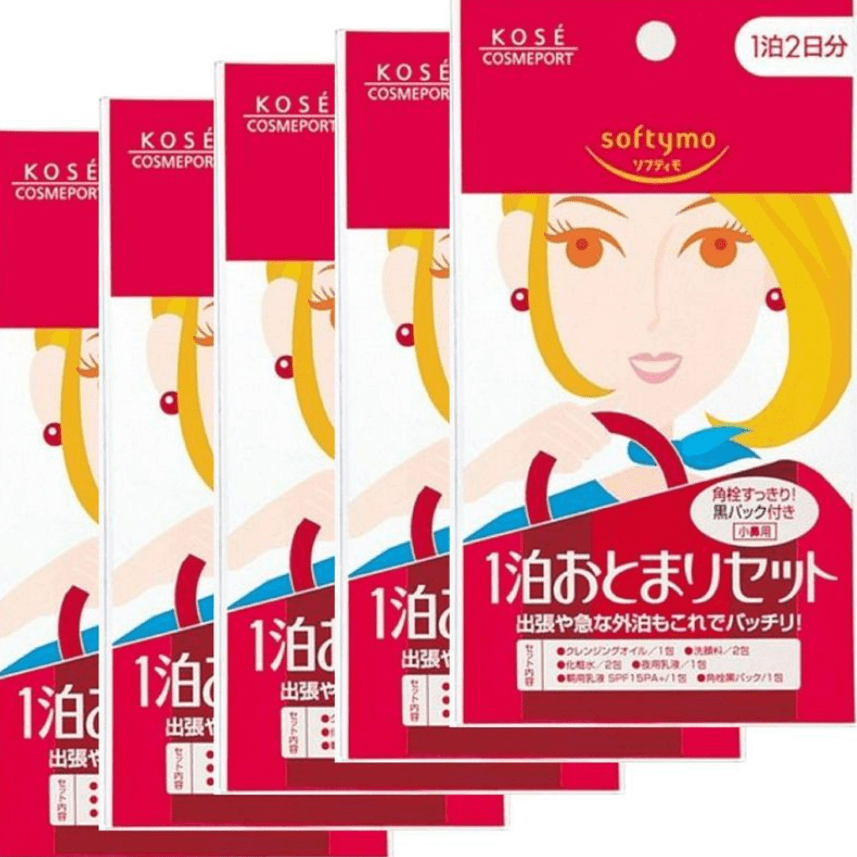
Kose Softymo Travel Sets + Cleansing Favorites
Kose is one of the best Japanese brands that shows up everywhere in Japan for a reason: reliable formulas, practical packaging, and no drama. Their travel-friendly sets are ideal if you’re trying to keep your Japanese skincare routine intact on trips, sleepovers, or busy weeks when your routine usually falls apart. (This is how you stay consistent enough to actually see change in texture, pores, and dark spots over time.)
“Lotion” In Japanese Skin Care: The Hydration Step Most People Skip (and Shouldn’t)
Quick Translation That Changes Everything
In Japanese skincare, “lotion” usually refers to a hydrating, watery step (not a thick cream). It’s meant to deeply hydrate, soften the skin’s feel, and prep for serums and moisturizers without heaviness. This is why Japanese people can layer so comfortably, even with oily skin.
Ceramide + Hyaluronic Acid Toner (500 ml)
If you want a high-volume, everyday hydration step that supports the skin barrier, a ceramide toner paired with hyaluronic acid is a very on-brand J beauty move. It’s the kind of product you can use morning and night without overthinking, especially if your skin type runs dry, tight, or reactive.
How it fits your routine: after cleansing, apply to face and neck (yes, neck), then move into serum/essence and cream.
Curél Trial Kit Enrich As A “Hydration Blueprint”
Curél is excellent at “hydration that behaves.” Meaning: it moisturizes without feeling greasy and is designed for specific skin concerns such as dryness and sensitivity. If your skin tone looks dull because you’re dehydrated (a common cause people mistake for “I need stronger actives”), Curél is a smart reset.
Serums And Targeted Care: Glow, Dark Spots, And The J-Beauty “Quiet Results” Vibe
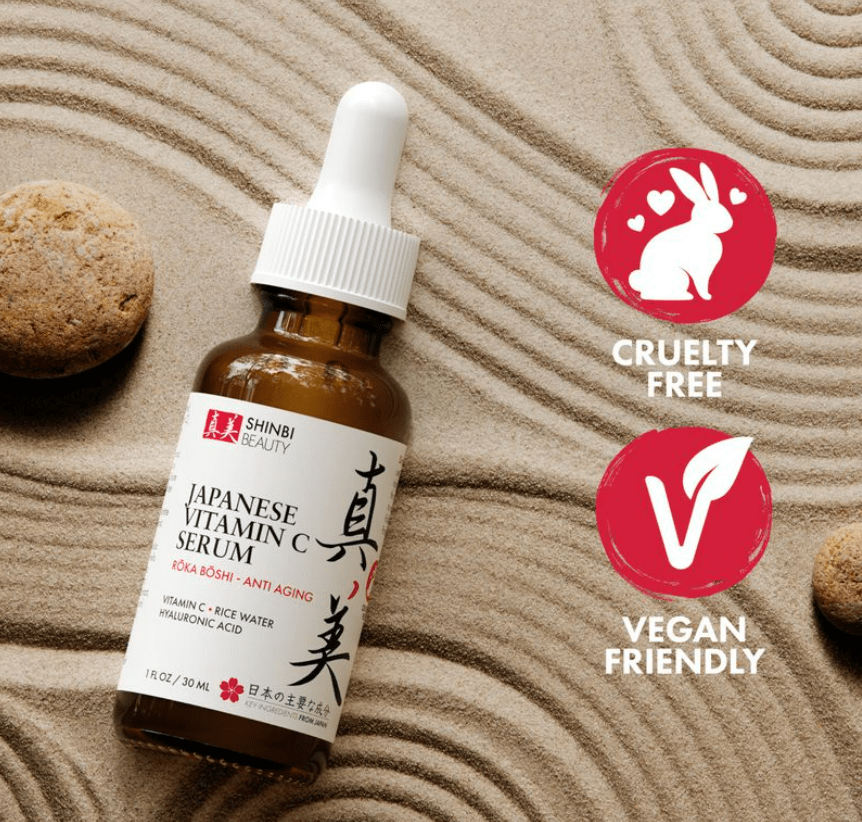
Shinbi Beauty Japanese Vitamin C Serum With Rice Water + Hyaluronic Acid
Vitamin C is one of the most common ingredients for dark spots and uneven skin tone, and pairing it with hydration-supporting ingredients (like hyaluronic acid) is exactly how Japanese skincare balances effectiveness with comfort. If your skin concerns include dullness or you want a more “natural glow,” this is a practical serum step that still fits a gentle skincare philosophy.
How it fits your routine: apply after lotion/toner, then seal with moisturizer. Always pair with daily sun protection.
Shiseido Bio-Performance Creams And Targeted Formulas
Shiseido’s Bio-Performance line is positioned as high-performance, anti-aging skincare with a focus on intensive results. It’s a premium lane in Japanese beauty that focuses on smoothing the appearance of wrinkles and supporting a firmer-looking complexion, while keeping application elegant (texture matters in J-beauty).
How it fits your routine: if you’re investing here, keep the rest of your routine simple: gentle cleansing, hydration layers, one targeted serum if needed, then your Bio-Performance cream.
Moisturizers And Creams: Sealing In Moisture Without Heaviness
Kose Grace One Wrinkle Care Moist Gel Cream
This is a classic Japanese “all-in-one” style: gel-cream texture designed to be comfortable, moisturizing, and practical for daily use. For people who don’t want a 9-step routine, a product like this helps you stay consistent while still supporting the skin barrier.
Best for: normal to dry skin, or anyone who wants a simple routine that still feels “complete.”
Curél Moisturizers For Dry, Sensitive Skin
Curél is especially loved because it’s often a safer bet when fragrance-free products matter. If you’re dealing with environmental stressors, over-exfoliation, or seasonal dryness, a barrier-supporting moisturizer is the difference between “my skincare works” and “why is my face mad.”
Masks And “Special Care”: When You Want The Glow Boost Without Changing Your Whole Routine
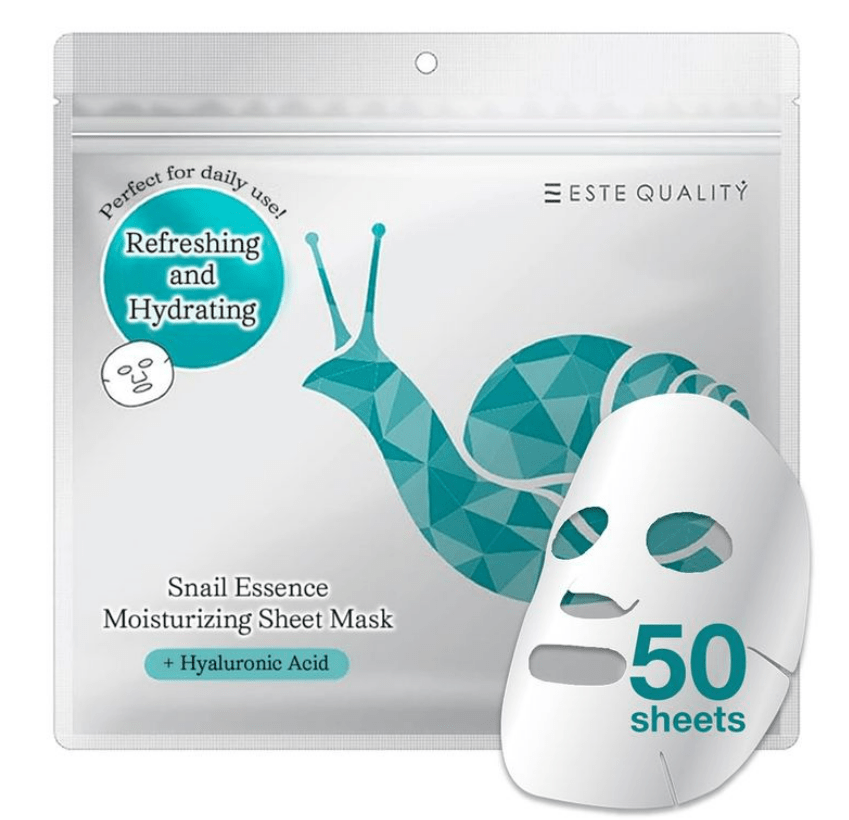
ESTE QUALITY Snail Mucin Sheet Mask (50 Sheets)
Sheet masks are a J-beauty staple because they’re an easy, low-effort way to deeply hydrate and make skin look plumper and smoother for a short window (hello, makeup base days). Snail mucin is more popular in K-beauty, but Japan has plenty of “hydration-first” mask options, too, and big multi-pack sets like this are for people who actually mask regularly, not just once a month.
How it fits your routine: use after cleansing + lotion, then finish with cream.
LEUNGESSMORE Brilliant Skin Care Mask (Binchotan Fiber)
Binchotan (Japanese charcoal) is a recognizable Japanese ingredient story, and masks like this are often chosen for a “reset” feeling when skin looks tired, texture feels off, or you want a polished appearance before an event.
Sunscreen And Daily Sun Protection: The Real “Anti-Aging” Step
If you want the complete Japanese skincare non-negotiable in one line, it’s this: daily sun protection is non-negotiable. It’s what protects your skin tone from looking uneven, keeps dark spots from getting darker, and helps your skincare routine actually show results.
Withfam UV Stick SPF50+
Stick sunscreen is popular because it makes reapplication easy, whether at your desk, on the way to lunch, before outdoor activities, or over makeup. Look for broad-spectrum protection and a finish you’ll actually wear (because the best sunscreen is the one you consistently use).
How it fits your routine: apply as your final AM step; reapply during the day.
SPF50+ CC Cream
Makeup bases and hybrid products are very popular in Japan. This category is a staple because it supports the “healthy skin, polished appearance” vibe without requiring heavy foundation. If you’re into a natural look, a good base can be the bridge between skincare and makeup without feeling like a full face.
Body + Bath: The Overlooked Part Of Japanese Tradition
Rice Koji Bath Additive (Moisturizing)
Bath culture is a real part of Japanese tradition, and bath additives are a common “quiet luxury” habit: skincare that happens while you unwind. If you’re dry, stressed, or just want a more ritual-based routine, this is a very authentic Japanese product category.
J-Beauty Beyond Skincare: Hair And “Beauty From Within” Products
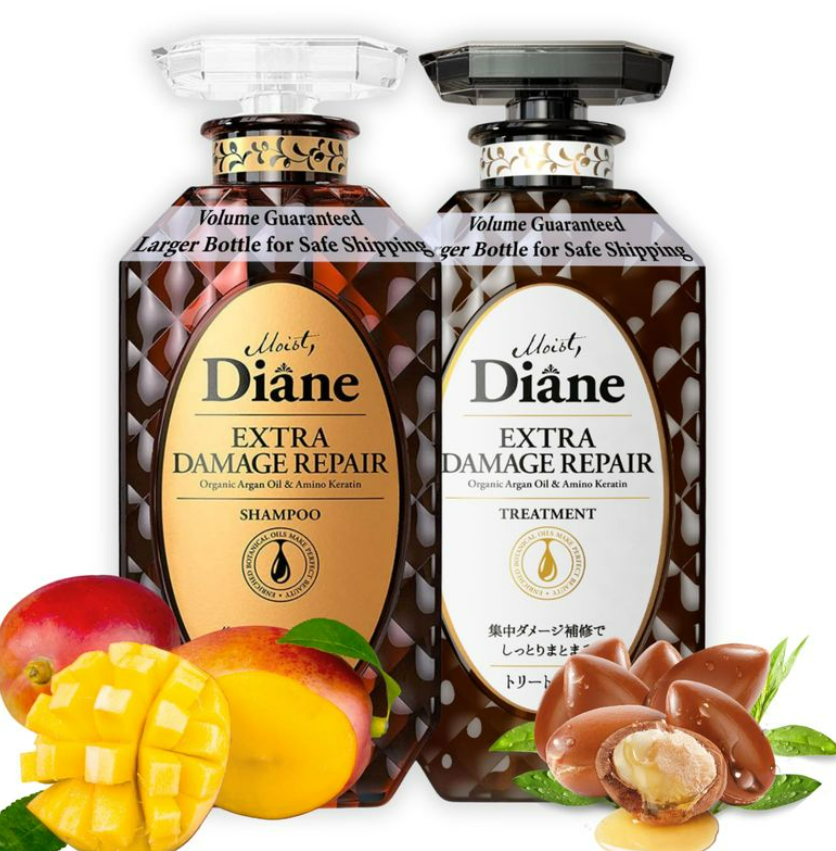
Moist Diane Shampoo/Conditioner Sets
Japanese haircare often mirrors the skincare philosophy: gentle, consistent, hydration-focused. These are easy adds if you want your “J-beauty” lifestyle section to feel complete.
AFC Japan Collagen Beauty Drinks
These are popular in Japan’s beauty market (especially among those with a “routine” mindset), but the smart way to present them in content is as a personal preference, not a promise. If you include them, keep claims conservative and always steer readers back to the foundation: cleansing, hydration, and sunscreen.
FAQs
Is Japanese skincare better than other skincare routines?
Japanese skincare focuses on prevention, consistency, and long-term skin health rather than quick fixes. Instead of relying on strong active ingredients, J-beauty routines prioritize gentle cleansing, hydration, and daily sun protection. This makes Japanese skincare especially effective for maintaining balanced, healthy skin over time, particularly for people with sensitive or reactive skin.
How long does it take to see results from a Japanese skincare routine?
Most people begin noticing improvements in hydration, texture, and overall appearance within a few weeks of consistent use. Because Japanese skincare emphasizes gradual improvement, results build steadily rather than appearing overnight. Long-term benefits such as smoother skin, improved tone, and reduced fine lines typically become more visible after two to three months of regular use.
Can Japanese skincare work for oily or acne-prone skin?
Yes. Japanese skincare is designed to balance oil production rather than strip the skin. Lightweight oil cleansers, gentle foaming cleansers, hydrating lotions, and non-comedogenic moisturizers help keep pores clear while maintaining the skin barrier. This approach often reduces breakouts and excess shine over time, making it suitable for oily and acne-prone skin types.
Do I need a lot of products to follow J-beauty properly?
No. A traditional Japanese skincare routine focuses on essential steps rather than product overload. Most people can achieve excellent results with a cleanser, lotion, serum, moisturizer, and sunscreen. The key is to choose high-quality products and use them consistently, rather than constantly adding new steps.
How can I be sure I’m buying authentic Japanese skincare products?
To ensure authenticity, shop from retailers that work directly with authorized distributors and provide clear product information, packaging details, and customer support. Trusted platforms like EveryMarket verify sourcing and storage conditions, helping preserve formula integrity and ensure you receive genuine Japanese beauty products that perform as intended.

Conclusion: Mastering Japanese Skincare for Life
Japanese skincare is more than a collection of products. It is a philosophy rooted in discipline, respect for tradition, and commitment to long-term skin health.
From double cleansing and strategic layering to daily sun protection and seasonal adjustments, J-beauty routines are designed to support healthy skin at every stage of life.
By understanding your skin type, choosing authentic Japanese products, and consistently following essential steps, you can build a skincare routine that evolves with you.
With trusted brands like SK-II, Kose, and Shu Uemura, and reliable platforms like EveryMarket, accessing high-quality Japanese beauty products has never been easier.
Whether you are a beginner exploring your first routine or an experienced enthusiast refining your approach, Japanese skincare offers a timeless framework for achieving radiant, balanced, and resilient skin. For a closer look at how we curate beauty collections, read Why EveryMarket Is Your Best Shopping Destination, which highlights our quality standards and product selection process.
 EveryMarket Blog
Leave a comment