

When people talk about Asian beauty, they often lump everything together. But in reality, Japanese vs. Korean skincare represents two very different philosophies, routines, and approaches to long-term skin health.
Both J-Beauty and K-Beauty are respected worldwide for their focus on hydration, gentle formulas, and high-performing products. Yet they serve different skin types, lifestyles, and skincare goals. Some routines prioritize simplicity and barrier protection, while others emphasize customization, brightening, and visible transformation.
As a beauty editor would tell you, choosing between these two systems isn’t about which one is “better.” It’s about understanding how each reflects cultural values, ingredient choices, and daily habits, then finding the mix that supports your skin concerns without irritating.
This guide breaks down the real difference between Japanese and Korean skincare, so you can build a routine that keeps your complexion healthy, glowing, and resilient.
Table of Contents
- The Cultural Roots Behind J-Beauty and K-Beauty
- Prevention vs Performance: Two Different Skincare Philosophies
- Routine Structure: Minimalist vs Multi-Step
- Ingredients and Formulation: Stability vs Innovation
- Texture, Sensory Experience, and Daily Comfort
- Sun Protection in Korean and Japanese Skincare
- Matching Each System to Your Skin Type
- Can You Combine J-Beauty and K-Beauty?
- Why Buying From Trusted Platforms Matters
- FAQs
The Cultural Roots Behind J-Beauty and K-Beauty
Japanese skincare has developed over centuries, centered on discipline, cleanliness, and prevention. In Japan, skincare is viewed as part of daily hygiene, much like brushing your teeth or washing your hands. The focus has always been on maintaining balance, protecting the skin barrier, and avoiding practices that strip moisture or trigger redness.
This philosophy still shapes modern Japanese beauty. Products are formulated for long-term use, often fragrance-free, and designed to suit sensitive, dry, oily, and normal skin alike. Instead of dramatic overnight results, Japanese routines emphasize consistency, gentle cleansing, and nourishing hydration.
Korean skincare emerged in a faster-moving, innovation-driven beauty market. In South Korea, skincare is deeply connected to self-expression, community, and social media culture. Brands compete by developing new serums, essences, and targeted treatments that promise visible improvements in pores, texture, dark spots, and uneven tone.
K-Beauty reflects a mindset of experimentation and personalization. Rather than following one fixed regimen, users adjust their routine based on lifestyle, season, and current skin conditions. This has helped create some of the most exciting beauty products in the world.
For a deeper look at how Asian beauty philosophies evolved, you can also explore The Ultimate Guide to Korean Skincare and Beauty on the EveryMarket blog.
Prevention vs Performance: Two Different Skincare Philosophies
One of the biggest differences between J-Beauty and K-Beauty lies in how each treats skin concerns.
Japanese skincare focuses on prevention first. The goal is to protect the skin barrier, maintain moisture levels, and prevent wrinkles, acne, and dark spots before they develop. This is why Japanese routines emphasize double cleansing, lightweight lotions, daily sunscreen, and layering hydration.
Rather than aggressively targeting acne or uneven tone, Japanese formulas work quietly in the background. Over time, this approach supports healthy skin, smoother texture, and more even tone without overwhelming the skin.
Korean skincare, by contrast, is built around transformation. Many products are designed to target specific issues like brightening, minimizing pores, fading dark circles, and improving dullness. Vitamin C serums, ampoules, and sheet masks are everyday staples in this category.
This performance-driven philosophy appeals to people who want faster, more noticeable changes in their complexion.
Routine Structure: Minimalist vs Multi-Step
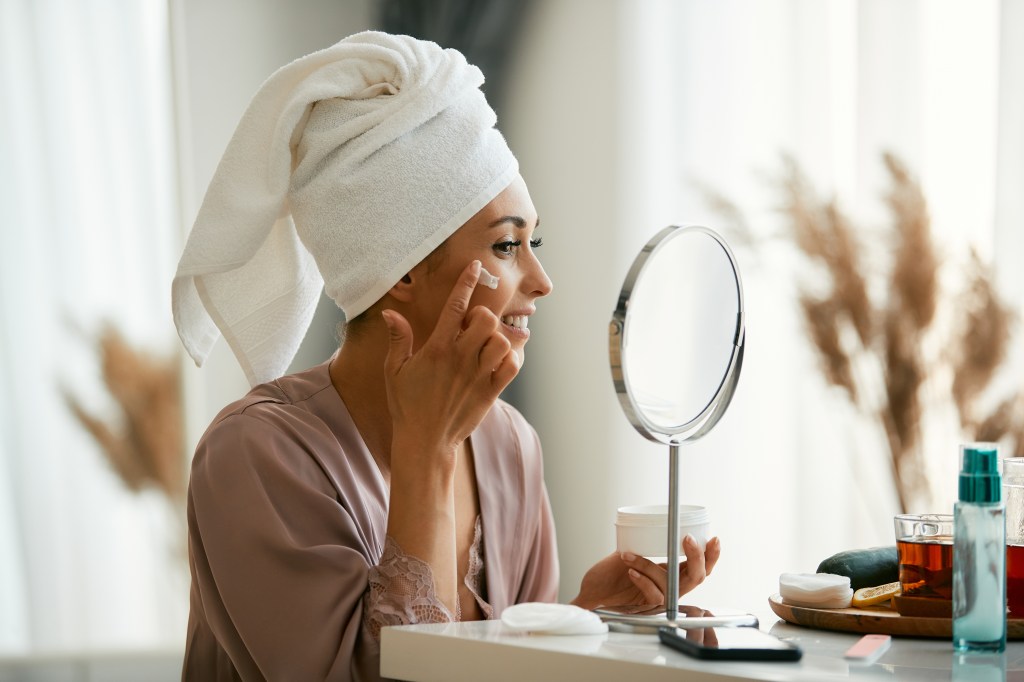
A traditional Japanese skincare routine is intentionally streamlined. It usually begins with an oil cleanser to dissolve makeup and sunscreen, followed by a gentle foaming cleanser that removes dirt without stripping moisture. After cleansing, users apply lotion, which functions as a hydrating toner, then layer a serum or cream if needed. Sunscreen is considered essential every morning.
This structure is designed to be sustainable. You can follow it every day, morning and evening, without burning out or damaging your skin.
Korean routines are typically more layered. After double cleansing, users may apply toner, essence, ampoule, serum, sheet mask, eye cream, moisturizer, and sunscreen. Each layer serves a specific purpose, from brightening to plumping to soothing irritation.
While this approach offers flexibility, it also requires more time and attention. Many people adopt a hybrid routine that blends both systems.
If you’re new to multi-step routines, Top 5 Korean Toners Loved by Skincare Experts offers a practical starting point.
Ingredients and Formulation: Stability vs Innovation
Japanese skincare brands rely heavily on time-tested moisturizing ingredients such as rice bran, green tea, glycerin, ceramides, and hyaluronic acid. These ingredients support hydration, reinforce the skin barrier, and reduce sensitivity over time.
Formulas are tested extensively and rarely changed. Once a product works, brands refine it slowly rather than reformulating every year. This ensures consistency and efficacy.
Korean skincare embraces discoveries more quickly. Snail mucin, centella asiatica, fermented extracts, peptides, and botanical blends are common. Many K-Beauty serums and essences are designed to deliver targeted results, especially for acne-prone or dull skin.
This makes K-Beauty exciting, but it can be challenging for sensitive users who react easily.
Texture, Sensory Experience, and Daily Comfort
Japanese products are known for their elegant textures. Lightweight lotions, fast-absorbing creams, and non-greasy oils are designed to layer comfortably under makeup and clothing. Sunscreens, in particular, are formulated to feel invisible, making daily use easier.
Korean products often focus on sensory appeal. Gel creams, milk toners, jelly essences, and cushion foundations create a more playful experience. Packaging is also more experimental, reflecting the industry’s creative energy.
Both approaches aim to make skincare enjoyable, but J-Beauty prioritizes practicality while K-Beauty leans into experience.
Sun Protection in Korean and Japanese Skincare
Sunscreen is one area where Japanese skincare stands out globally. In Japan, sun protection is treated as essential healthcare. Sunscreens are lightweight, water-resistant, comfortable, and designed for reapplication throughout the day. Many also function as makeup primers, reducing white cast and improving the complexion’s appearance.
Korean sunscreens are increasingly advanced, but Japanese brands still lead in durability, sweat resistance, and daily wearability. This is a major reason Japanese routines excel at preventing premature aging.
Matching Each System to Your Skin Type
For sensitive skin, Japanese skincare is often safer due to its gentle formulas and fragrance-free options. The emphasis on hydration and barrier repair helps reduce redness and irritation.
For oily skin and acne-prone users, Korean skincare offers more targeted solutions. Lightweight gels, exfoliating toners, and oil-balancing serums help manage breakouts and clogged pores.
Dry skin benefits from both systems. Japanese routines provide long-term moisture retention, while Korean products offer intensive hydration through masks and ampoules.
Those concerned with uneven tone, dark spots, and dullness may prefer K-Beauty’s brightening treatments, especially those containing vitamin C and fermented ingredients.
Understanding your skin types and lifestyle makes it easier to build the right regimen.
Can You Combine J-Beauty and K-Beauty?
Many experienced users combine both systems.
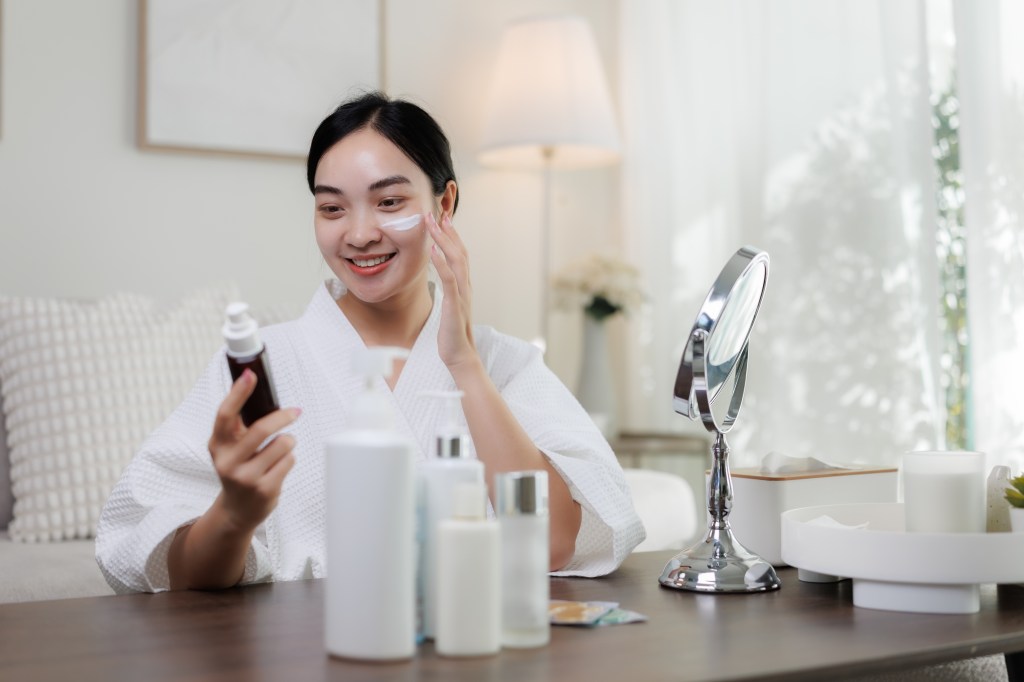
A balanced routine might include a Japanese oil cleanser and sunscreen, paired with Korean brightening serums or sheet masks. This allows you to enjoy innovation without sacrificing health.
Hybrid routines are especially popular among people who follow skincare as a hobby while still valuing long-term results. If you enjoy exploring trending items, The Trending Products That Consistently Live Up to the Hype highlights standout products across categories.
Why Buying From Trusted Platforms Matters
Both Japanese and Korean products rely on precise formulation and proper storage. Exposure to heat, light, and air can reduce efficacy and alter texture. Poor handling can lead to irritation, reduced hydration, and lower performance.
That’s why sourcing matters. EveryMarket works with verified distributors to ensure products are authentic, properly stored, and accurately represented. To understand this process in detail, see How EveryMarket Works: Bringing Trusted Global Brands to You.
FAQs
Is Korean skincare really better than Japanese skincare?
Neither system is objectively “better”; they simply serve different needs. Many dermatologists agree that Japanese routines work well for people who want long-term skin stability, while Korean routines appeal to those who enjoy experimentation and visible changes. A K-beauty staple like an essence or ampoule can add extra hydration, but Japanese products often deliver consistent results, bottle after bottle. The best approach is choosing what fits your skin type, lifestyle, and goals rather than following trends driven by social media or magazine allure.
How many products should I realistically use in my routine?
You don’t need a shelf full of products for healthy skin. A cleanser, lotion, serum, cream, and sunscreen can deliver powerful results when used consistently. Whether you follow J-Beauty or K-Beauty, focusing on quality over quantity helps your skin rest and recover naturally. Overloading your routine can make skin feel tight, irritated, or even hurt over time. Keeping a manageable stock of products also makes it easier to stay consistent.
Do I need different skincare for summer and winter?
Yes, seasonal changes matter. During summer, lighter textures, oil-control products, and sweat-resistant sunscreen help prevent clogged pores and breakouts. In colder months, richer creams and hydrating layers help protect the skin barrier. Pay attention to how your skin reacts and adjust your routine accordingly. Many experts recommend watching for signs of dehydration or congestion as the seasons change, and adapting before problems develop.
Final Thoughts: Choosing Between Japanese and Korean Skincare
The difference between Japanese and Korean skincare isn’t about superiority. It’s about philosophy.
Japanese skincare prioritizes prevention, stability, and long-term skin health. Korean skincare focuses on customization, innovation, and visible transformation.
If you value simplicity, gentle routines, and low maintenance, J-Beauty may suit you best. If you enjoy layering, experimentation, and targeting specific concerns, K-Beauty offers more flexibility.
Many people find the best results by blending both.
With thoughtful product selection, consistent morning and evening routines, and reliable sourcing, either system can help you achieve hydrated, plump, and healthy skin for years to come.
 EveryMarket Blog
Leave a comment