

Let’s be honest. Many smart home devices sound impressive in theory, but exhausting in practice. You buy something that promises convenience, and suddenly you’re troubleshooting Wi-Fi connections, syncing apps, and resetting passwords at midnight. That’s not smart. That’s stress.
The real purpose of a smart home isn’t novelty, it’s quiet efficiency. It’s the kind of technology that works in the background, saves you time, lowers your energy bills, and makes everyday life smoother without demanding constant attention.
The best smart home devices don’t shout for attention. They simply remove friction and, when chosen thoughtfully, create a connected home that feels intuitive rather than complicated.
Best Smart Home Devices
- Smart Speakers and Voice Assistants: The Control Center
- Smart Displays: Beyond Voice Commands
- Smart Lights and Light Switches: The Simplest Upgrade
- Security Cameras and Video Doorbells
- Smart Thermostats and Energy Control
- Smart Bedroom and Lifestyle Devices
- Smart Home in the Living Room and Entertainment
What Actually Makes Smart Home Devices “Smart”
Not all smart devices are created equal. A product becomes part of a true smart home when it integrates seamlessly with your existing ecosystem and doesn’t require constant management. Compatibility with Google Home, Amazon Alexa, or Apple platforms should feel user-friendly, not like a tech project.
Smart home devices should do at least one of three things exceptionally well: save money, save time, or improve safety. If a device doesn’t clearly reduce effort or improve control over your environment, it’s likely a gimmick. The best smart home devices simplify daily life without forcing you to babysit an app.
Reliable Wi-Fi connectivity is the backbone of every connected home. If your network is unstable, even the most advanced smart devices will feel frustrating. Before adding devices, ensure your Wi-Fi strength can support multiple connected products across rooms.
If you want to get better at evaluating tech beyond spec sheets and marketing claims, our Ultimate Smart Shopper’s Guide breaks down how to identify products that actually deliver long-term value.
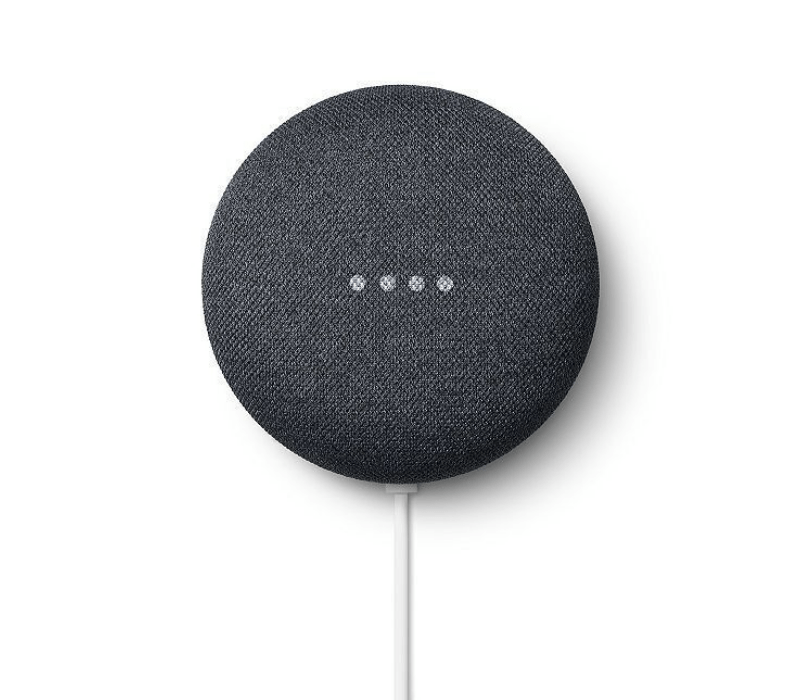
1. Smart Speakers and Voice Assistants: The Control Center
A smart speaker is often the foundation of a smart home setup. Devices like the Google Nest Mini or Google Home Mini with Google Assistant act as command hubs, allowing you to manage lights, check the weather, set timers, and control other devices with a simple voice command. When your voice assistant works well, it becomes a time saver throughout the day.
Voice assistants are not just about convenience. They create accessibility. Whether you’re cooking, carrying groceries, or getting ready for bed, being able to control your home hands-free is super convenient. Google Assistant and Amazon Alexa both support a wide range of smart features, from adjusting the thermostat to managing a grocery list.
The key is choosing a smart speaker that integrates easily with your other devices. A well-placed smart speaker in the kitchen, bedroom, or living room becomes the anchor of your connected home.
Shop Google Nest Mini and Google Home Mini
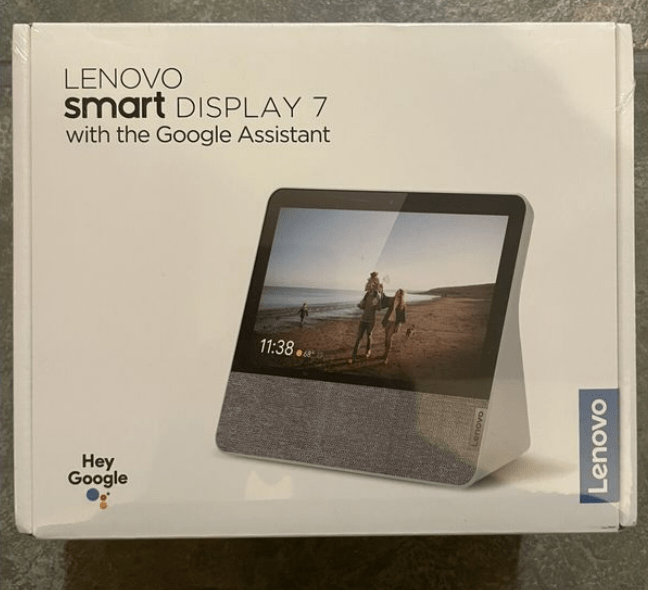
2. Smart Displays: Beyond Voice Commands
A smart display adds a visual layer to your smart home experience. Devices like the Lenovo Smart Display combine voice assistant capabilities with screens for video calls, security camera feeds, and media streaming. This is where functionality expands beyond audio.
A smart display in the kitchen can walk you through recipes. In the bedroom, it can help you wake gently with gradual changes in light. In the living room, it can show live feeds from a security camera or video doorbells connected to your front door.
When choosing a smart display, consider how it will actually be used. All the features in the world mean nothing if they don’t align with your daily habits. The best smart home devices fit naturally into your routine.
Shop Lenovo Smart Display
3. Smart Lights and Light Switches: The Simplest Upgrade
Smart lights are often the easiest entry point into a connected home. Installing smart bulbs or a smart light switch lets you control brightness, schedule lighting, and adjust ambiance via an app or voice commands. The ability to control light remotely reduces wasted energy and can help lower energy bills.
Smart lighting also improves safety. Motion sensors paired with smart lights near a garage or front door automatically illuminate at night. This reduces risk and increases visibility without manual effort.
If you’re new to how we evaluate tech ecosystems and global brands, What Is EveryMarket? explains how we curate products that actually integrate seamlessly, not just look impressive online.
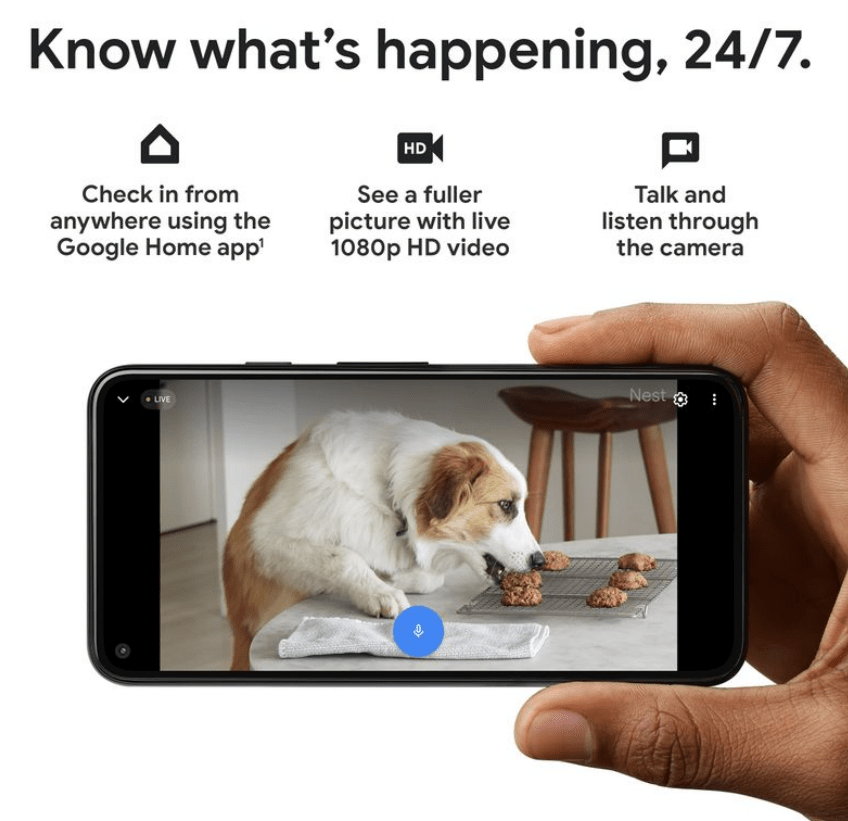
4. Security Cameras and Video Doorbells
Home security has evolved far beyond traditional alarm systems. A security camera like the Google Nest Cam or a video doorbell connected to Google Home provides real-time monitoring from your phone. You can monitor your front door, check on loved ones, or review motion alerts instantly.
Cloud storage options let you securely store footage, providing an extra layer of protection. The ability to see and speak through two-way audio adds another level of control. For many families, this is one of the most impactful smart home investments.
Security should feel reliable, not complicated. The best smart home devices in this category install easily and integrate seamlessly with your existing Wi-Fi network.
Shop Google Nest Cam
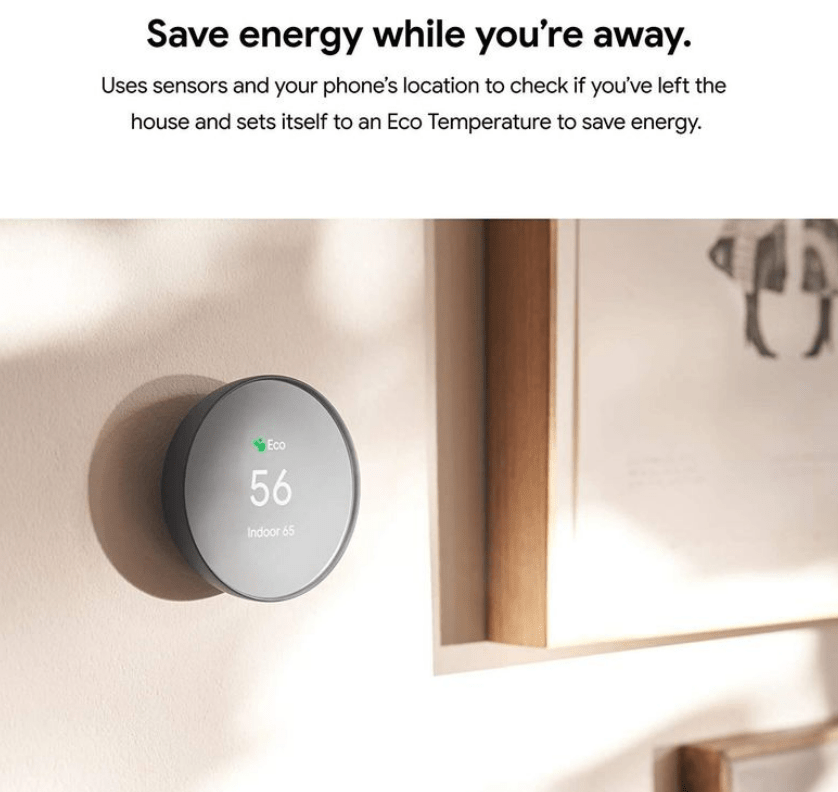
5. Smart Thermostats and Energy Control
A smart thermostat like the Google Nest Thermostat doesn’t just adjust temperature. It learns patterns. It monitors energy use. It helps you manage heating and cooling efficiently. Over time, that control can genuinely save money.
Programming your home’s schedule through an app ensures it doesn’t waste energy when you’re not there. Adjustments can be made remotely, whether you’re in bed, at work, or traveling. That level of control transforms how you manage energy in your home.
Smart home technology should pay you back in the long run. Energy-efficient systems are one of the clearest examples of that return.
6. Smart Bedroom and Lifestyle Devices
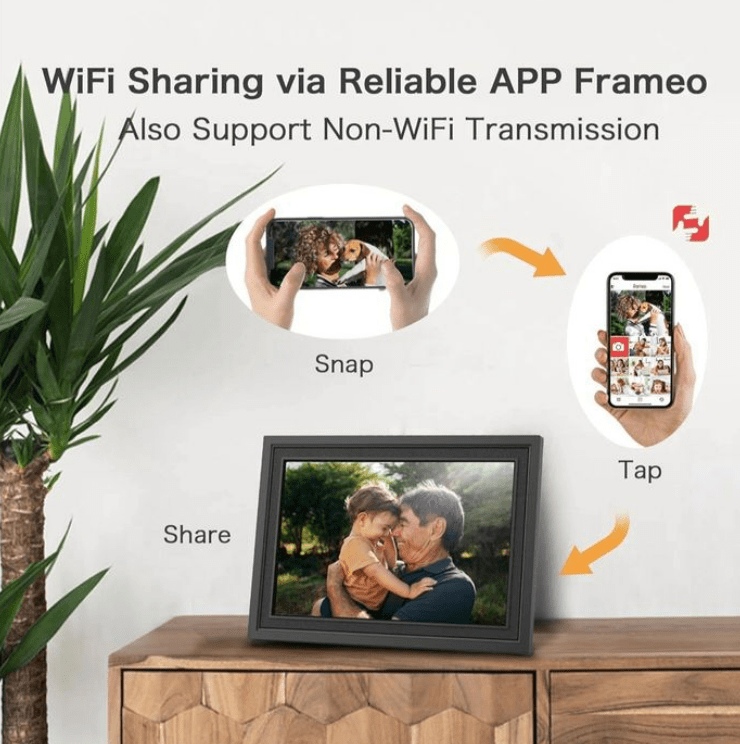
Smart home devices aren’t limited to security and lighting. Products like digital picture frames, AI-enhanced displays, and smart coffee makers add comfort and personalization. A programmable smart coffee maker that starts brewing before you wake changes your morning rhythm in subtle but powerful ways.
Even wearable smart devices, like a smartwatch that connects to your phone and home ecosystem, extend control beyond the house. Managing notifications, adjusting smart lights, or checking security alerts from your wrist creates fluid integration between home and lifestyle.
When selecting these types of devices, focus on quality over quantity. A few well-integrated smart devices outperform a cluttered collection that rarely works together.
7. Smart Home in the Living Room and Entertainment
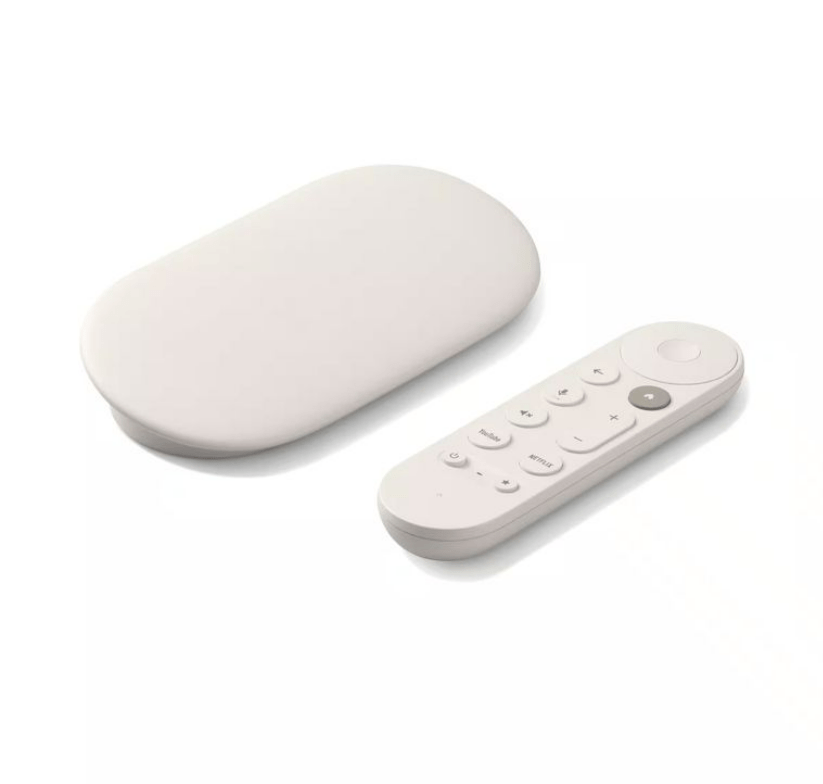
Entertainment is often the gateway to smart home adoption. Devices like the Google TV Streamer (4K) allow seamless streaming while integrating into Google Home systems. Voice control over media, volume, and playback simplifies evening routines.
A smart speaker paired with a foldable Bluetooth stand creates a flexible setup for music, video calls, and podcasts. The goal isn’t excess technology, it’s convenience. Being able to play, pause, and adjust settings without reaching for multiple remotes removes friction from everyday life.
We regularly test what’s actually worth the attention, and our Trending Products That Consistently Live Up to the Hype highlights tech and lifestyle items that genuinely perform.
The Philosophy of a Truly Connected Home
A smart home should feel invisible. It should not dominate your attention. When devices require constant updates, troubleshooting, or manual resets, they fail the convenience test.
Before making a purchase, ask whether the device improves control, reduces effort, or increases safety. If the answer isn’t clear, it likely doesn’t belong in your home. The strongest smart home setups are intentional, not impulsive. Technology should support your life, not become another thing to manage.
That philosophy is exactly why we built EveryMarket, and in Why EveryMarket Is Your Best Shopping Destination, we explain how we filter global tech so you don’t have to.
Why EveryMarket
At EveryMarket, we don’t chase tech trends; we curate smart home devices that actually improve everyday life. Instead of flooding you with gimmicks, we focus on user-friendly, globally trusted products that integrate seamlessly with systems like Google Home and Amazon Alexa.
Whether it’s a smart thermostat that helps manage energy bills, a security camera that protects your front door, or a smart speaker that responds instantly to voice commands, our selection is built around real functionality. The goal isn’t more devices. It’s better control, smarter connections, and a connected home that works quietly in the background, exactly the way it should.
Final Thoughts: Smart Should Feel Simple
The best smart home devices don’t overwhelm you with features. They quietly improve daily life. From smart lights and security cameras to voice assistants and thermostats, each device should serve a clear purpose.
When chosen thoughtfully, smart home devices create a connected home that works with you. They help you manage energy, monitor safety, and simplify routines. They save time. They sometimes save money. And most importantly, they reduce friction.
That’s what smart really means.
 EveryMarket Blog
Leave a comment