

Bringing home a new puppy feels magical…until the first night hits.
The crying starts, the crate feels unfamiliar, and suddenly you’re wondering if you’re doing everything wrong. Every new puppy parent goes through this. The truth is that those first few weeks are less about perfection and more about structure. What you build now shapes your puppy’s confidence, emotional stability, and long-term behavior.
You want to give your new dog the best start possible, but between the toys, training pads, food, and endless product recommendations, it’s hard to know what’s actually worth buying. The truth is, most “new puppy” lists online are filled with expensive fluff you don’t need (and missing the items you’ll wish you had at 2 a.m. when your puppy won’t stop whining). That’s why we created a realistic checklist built for real dog owners, based on what actually works.
At EveryMarket, we curate global pet essentials tested for comfort, safety, and everyday life, so you can stop guessing and start enjoying puppyhood. This isn’t a fluffy “buy everything” list. It’s a grounded, realistic puppy checklist built around what actually makes life easier, and what truly supports your puppy’s health, training, and adjustment.
Ultimate Checklist for Puppies
- The Non-Negotiables
- Crate Training and Emotional Stability
- Chew Toys: Redirecting Natural Behavior
- Potty Training and House Training
- Walks, Leashes, and Building Good Behavior
- Health, Vet Care, and Long-Term Planning
Puppy Essentials: What Actually Matters First
Before the toys and cute accessories, your puppy’s essentials should focus on one thing: security.
Puppies thrive when their environment feels predictable. During the first month in a new puppy home, your pup is adjusting to a completely unfamiliar world, and environmental stability directly affects stress levels. When food, sleep, and routines are consistent, your puppy’s nervous system begins to relax.
Many new pet parents accidentally over-prioritize entertainment and under-prioritize structure. What truly matters in the beginning isn’t how many toys you have, it’s whether your puppy knows where to sleep, where to eat, and what’s safe to chew. Clear boundaries and consistent routines create a sense of emotional safety. And emotional safety is what allows training to work.
A thoughtful puppy essentials list should reflect long-term thinking. Instead of asking “What’s cute?” ask, “What reduces stress?” The answer is usually surprisingly simple. If you’re still unsure how to evaluate quality versus hype when shopping for your puppy, our Ultimate Smart Shopper’s Guide: How to Find the Best Products, Deals, and Trends Online breaks down how to spot products that genuinely perform. The same principles apply whether you’re buying for your home, your tech setup, or your new pup.
New Puppy Checklist: The Non-Negotiables
The first category on any realistic new puppy checklist should be food and hydration. Puppy food is formulated differently from adult dogs’ food because puppies need higher protein levels and precise nutrient ratios to support rapid bone and muscle growth. Choosing the right food based on your dog’s breed and projected adult size helps prevent joint stress later in life. A veterinarian can guide you here, and that early consultation is one of the smartest steps you can take.
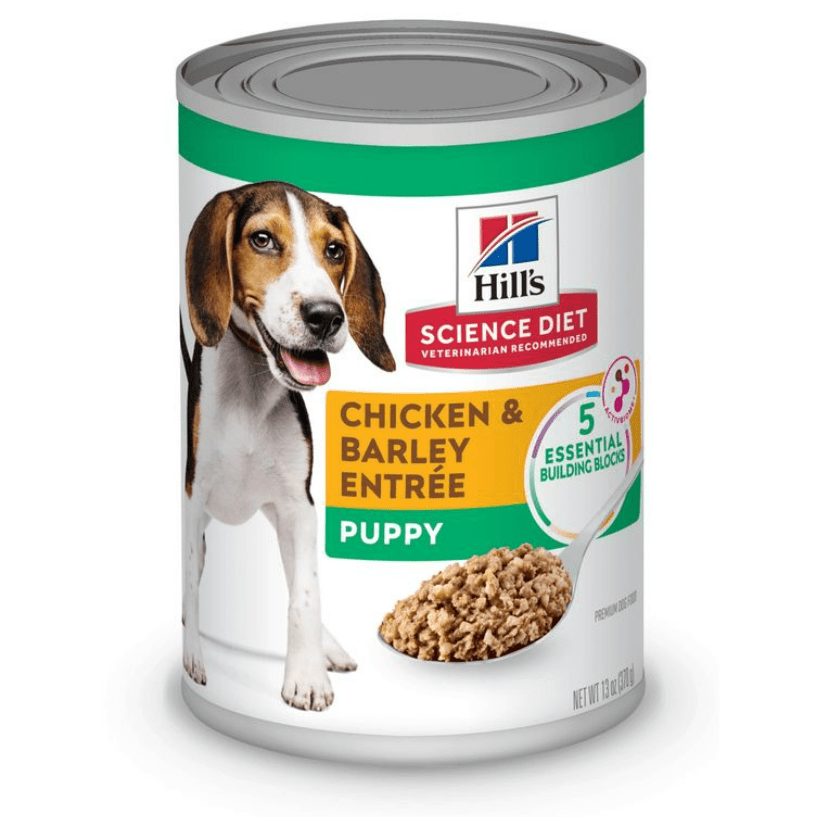
Shop Hill’s Science Puppy Premium Wet Dog Food
Hydration matters more than most pet parents realize. Some puppies drink inconsistently from stagnant water bowls, especially during transitions. Encouraging regular water intake supports digestion, temperature regulation, and overall health.
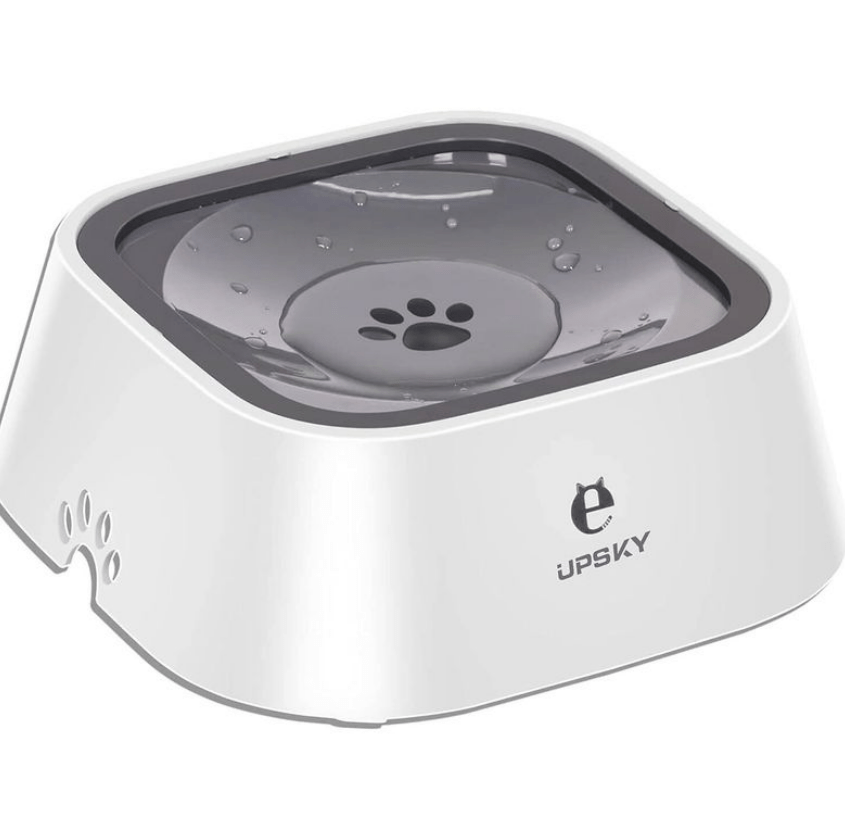
Shop No Spill Dog Water Bowl
Establishing a consistent feeding and water schedule in your puppy’s home also reinforces routine, which makes house training significantly easier.
Sleep is equally foundational. A designated sleeping area, whether it’s a crate with a soft dog bed or a defined quiet space, signals safety. When your puppy knows exactly where rest happens, it reduces nighttime stress and builds independence.
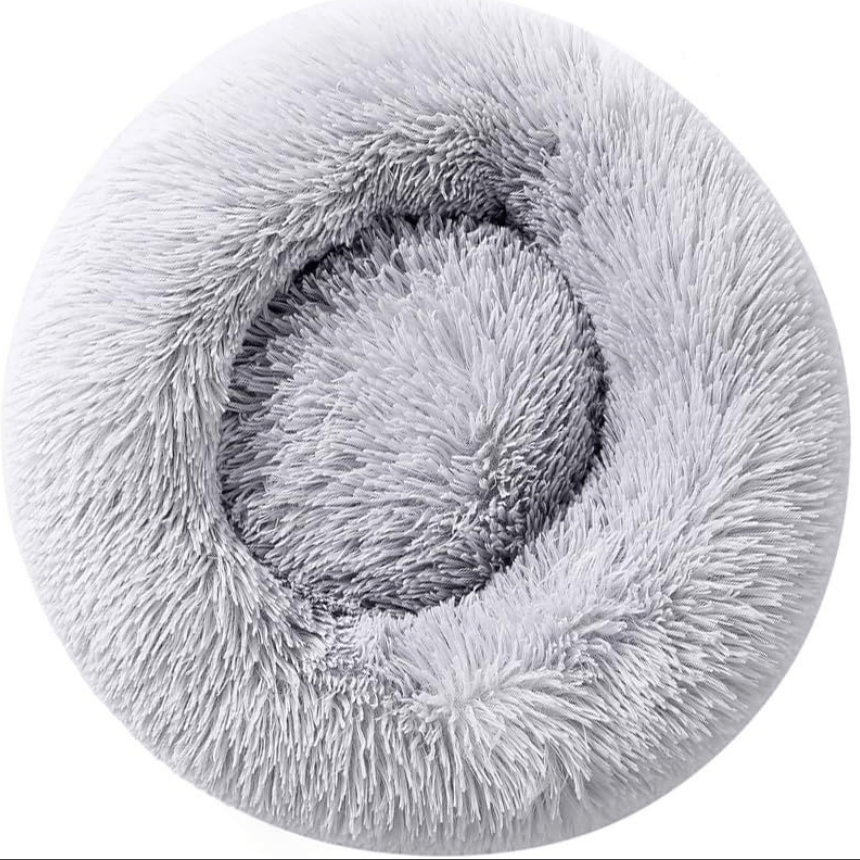
Shop Small Dog Bed
For a closer look at how we source and curate dependable products across categories, How EveryMarket Works: Bringing Trusted Global Brands to You explains our approach. When it comes to your puppy’s health, reliability matters, and understanding where products come from is part of building trust as a pet parent.
Crate Training and Emotional Stability
Crate training is often misunderstood, but when done properly, it becomes one of the most powerful tools in your puppy checklist. Dogs are naturally den-oriented animals, and a crate can replicate that secure environment. The key is gradual introduction. Forcing your pup into a crate creates resistance, but allowing them to explore it voluntarily builds a positive association.
The first few nights in a new home can be especially emotional for a new puppy. They’ve left their litter, their familiar smells, and everything they’ve known. Placing the crate in a calm but not isolated area helps prevent feelings of abandonment. Over time, that crate becomes a safe retreat rather than a place of confinement.
Crate training also plays a major role in potty training and preventing accidents. Puppies are far less likely to soil a sleeping area, which naturally supports house-training progress.
Chew Toys: Redirecting Natural Behavior
Chewing is not bad behavior; it’s actually good for development! When your puppy’s teeth begin shifting, gum discomfort increases dramatically. Without appropriate chew toys, your pup will relieve that discomfort on furniture, shoes, or baseboards. Providing durable, safe options gives them a healthy outlet.
Teething chews, reinforced plush toys, and structured enrichment toys all serve different purposes. Some relieve gum discomfort, while others burn excess energy and reduce boredom. Puppies with appropriate chewing outlets show fewer destructive behaviors later. This is not about distraction; it’s about redirection.
When chewing needs are met consistently, overall training becomes smoother. A puppy who isn’t constantly seeking something to chew is easier to guide, teach, and reinforce with positive reinforcement.
If you’re curious which products consistently perform well across categories (not just in pet care) our article The Trending Products That Consistently Live Up to the Hype highlights items customers return to again and again. It’s a useful way to spot quality patterns before you buy.
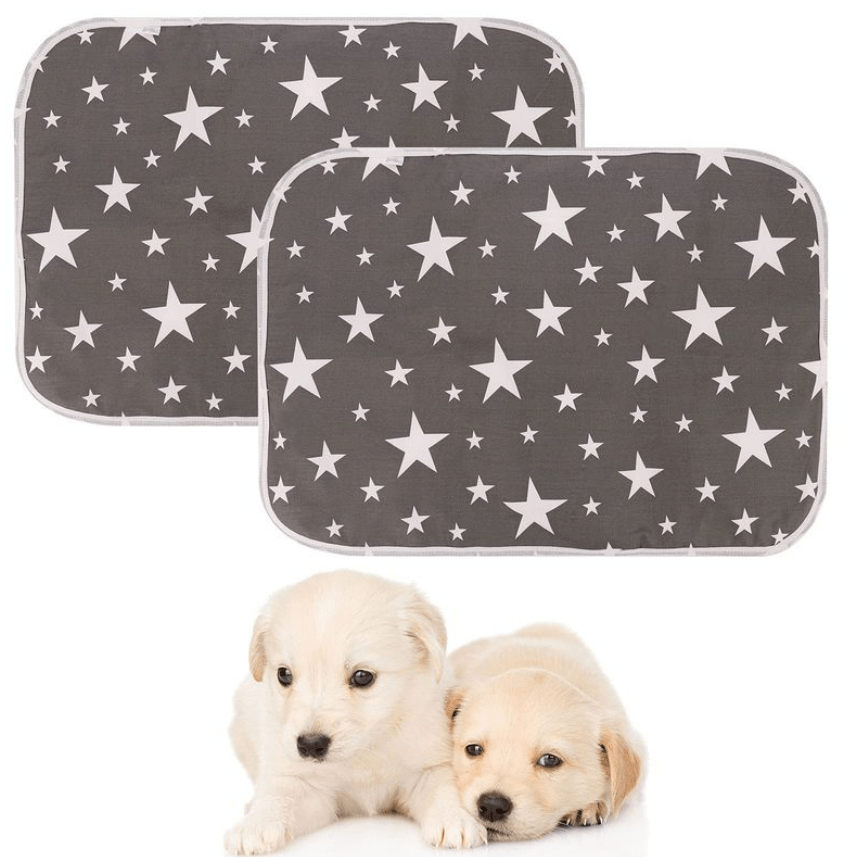
Potty Training and House Training
Potty training is where most of a new puppy’s stress originates. Puppies have limited bladder control, and expectations often exceed biological reality. Understanding your pup’s age-based limitations prevents unnecessary frustration. Structure, not emotion, drives success.
Puppy training pads can serve as transitional tools, particularly in apartments or during harsh weather. Combined with consistent timing after meals, naps, and play sessions, they create clear elimination patterns. Cleaning accidents thoroughly with enzyme cleaner is critical because scent markers can encourage repeat behavior if not fully removed.
Positive reinforcement makes all the difference. Calm praise and small training treats when your puppy eliminates in the correct spot accelerate learning. House training isn’t about perfection; it’s about building patterns.
Walks, Leashes, and Building Good Behavior
Early walks are less about exercise and more about exposure. Your puppy is learning how the world works. A well-fitted leash and harness allow safe exploration without overwhelming your pup. Gentle guidance during these early walks teaches focus and responsiveness.
Socialization should be gradual and controlled. Introducing your new dog to different surfaces, sounds, and calm environments builds resilience. Puppies who experience structured exposure early are less likely to develop fear-based behaviors later.
Training during walks builds communication. Teaching sit, focus, and recall with positive reinforcement during real-world movement strengthens trust. Good behavior isn’t accidental; it’s shaped through repetition and clarity.
Health, Vet Care, and Long-Term Planning
Your veterinarian should be one of the first calls you make after bringing your pup home. Early check-ups establish vaccination schedules, parasite prevention, and overall health baselines. Preventive care in the first year dramatically reduces risk later in life.
Pet insurance is often overlooked, but it can prevent a sudden financial burden if emergencies arise. Unexpected injuries or illness can happen even to the healthiest puppy. Planning early protects both your dog and your peace of mind.
Routine grooming should also begin early. Gentle handling, nail trimming with proper nail clippers, and mouth checks help desensitize your puppy to touch. This reduces stress for both of you as your dog grows.

Creating a Comfortable Space in Your New Puppy’s Home
Your new puppy’s home does not need to be elaborate. It needs to be predictable. Dogs thrive when they understand where things happen. Feeding in the same area, sleeping in the same space, and maintaining a consistent schedule reduce anxiety.
If you have other pets, introductions should be slow and supervised. Not all adult dogs immediately welcome a new pup, and managing that transition thoughtfully prevents tension. Baby gates and structured boundaries help everyone adjust safely.
A comfortable space signals stability. And stability creates confidence. Most dogs don’t need perfection; they need consistency.
Why EveryMarket
At EveryMarket, we understand that bringing home a new puppy isn’t about buying everything; it’s about choosing the right puppy essentials from the start.
That’s why we curate practical, high-quality products designed to support training, health, and everyday life in a new puppy home. From safe chew toys and training tools to hydration systems and comfort-focused accessories, each item is selected with real pet parents in mind.
Because raising a happy, healthy dog isn’t about trends. It’s about preparation, structure, and tools that genuinely make life with your pup significantly easier. And if you’re entirely new to our platform, What Is EveryMarket? offers a closer look at how we connect customers with globally trusted brands across pet, tech, home, and beyond.
The Bigger Picture
A strong puppy checklist isn’t about buying more things. It’s about building systems that support a healthy life. Training, health, comfort, safety, and structure work together. When these foundations are in place, everything else becomes easier.
Every new puppy parent feels uncertain at times. That doesn’t mean you’re behind. It means you care.
And that care, paired with preparation, is what shapes a happy, confident dog.
 EveryMarket Blog
Leave a comment