

If you wake up with bed head, frizz, or hair feeling dry and tangled, your nighttime routine may be working against you. The best way to protect hair while sleeping isn’t complicated…it’s about reducing friction, maintaining moisture, and supporting scalp health while your body rests.
Your hair while you sleep is under more stress than you think. As you move, strands rub against cotton pillowcases, leading to friction along the hair shaft. Over time, that repeated tension contributes to split ends, hair breakage, and dryness. Unlike cotton, smoother fabrics and thoughtful nighttime hair habits help protect your hair and keep it manageable by morning.
The goal isn’t perfection. It’s consistency. Small changes in your nighttime hair care routine can lead to healthier hair over time, and in this article, we’ll share them
Our Top Hair Tips…
- Understanding Your Hair Type Before Bed
- Reduce Friction First
- Never Sleep on Wet Hair
- Build a Simple Nighttime Hair Care Routine
- Protect Length and Prevent Split Ends
- Support Hair Growth and Scalp Health
- Create Sleep Habits That Support Overall Health
- Use the Right Tools Before Bed
- Adjust Based on Your Hair’s Condition
Understanding Your Hair Type Before Bed
The best nighttime hair routine depends on your hair type. Long hair tangles more easily and benefits from gentle containment. Short hair may need less structure, but still benefits from friction control. Textured hair and thicker strands require extra moisture retention to maintain hydrated results overnight.
Hair follicles don’t stop working while you sleep. In fact, overall health and deep sleep support scalp health and circulation. That’s why sleep habits matter. Protecting hair overnight isn’t just about the strands; it’s about keeping the scalp healthy so hair growth isn’t compromised by unnecessary stress.
Consistently protecting your hair reduces damage to both the hair shaft and the follicles.
Reduce Friction First
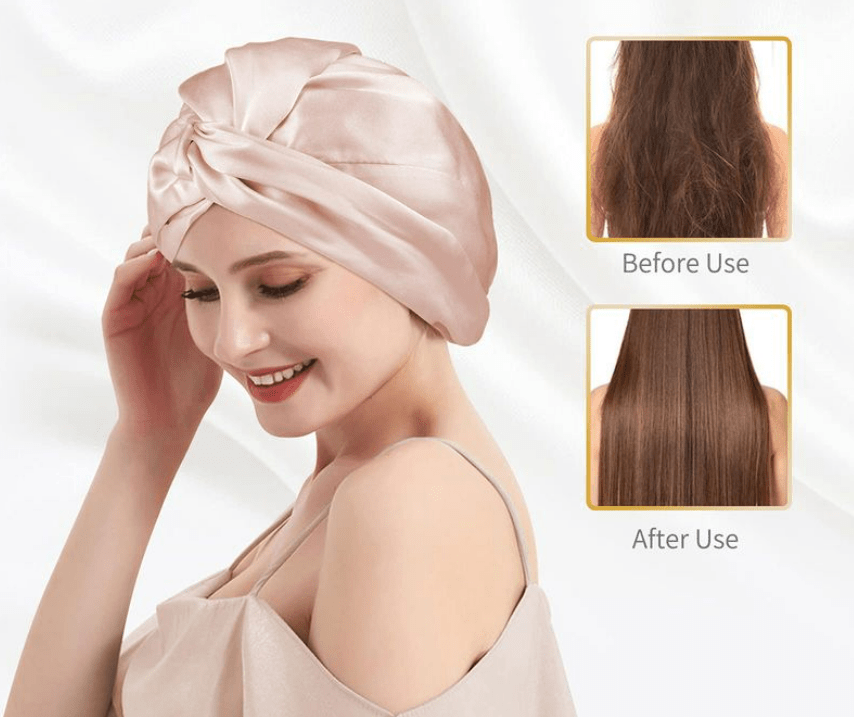
The simplest way to protect your hair while you sleep is to reduce friction. Cotton pillowcases absorb moisture and create resistance as hair moves against them. Switching to a silk pillowcase or a satin pillowcase provides a smoother surface that helps reduce friction and maintain moisture.
Unlike cotton, a silk or satin pillowcase allows hair to glide instead of tug. This helps prevent breakage and reduces frizz overnight. For even more protection, a silk bonnet, silk scarf, or satin scarf can create a fully contained environment for nighttime hair.
If you’re exploring small upgrades that make a big difference, our The Trending Products That Consistently Live Up to the Hype highlights simple beauty changes that improve overall health and routine consistency.
For even more protection, a silk bonnet, silk scarf, or satin scarf can create a fully contained environment for nighttime hair. A high-quality option like the Olesilk 22 Momme Silk Bonnet for Sleeping offers a smooth, dense silk weave that helps reduce friction, maintain moisture, and protect strands from overnight breakage without slipping off during sleep.
Never Sleep on Wet Hair
Going to bed with wet hair or even damp hair can weaken the hair shaft. Hair is more elastic and vulnerable when wet, making it more prone to hair damage and breakage. If possible, allow hair to air-dry partially, or use a hair dryer on a low setting with heat protectant before bed.
If you must sleep with damp hair, gently detangle with a wide-tooth comb and secure it in a loose braid or French braids. A loose braid reduces tangling while avoiding tension on the hair follicles. Always use a soft scrunchie or a satin scrunchie instead of elastic bands that pull at the roots. Protecting hair overnight starts with the condition it’s in before your head hits the pillow.
Build a Simple Nighttime Hair Care Routine
A nighttime hair care routine doesn’t need ten steps. It needs intention. Start by gently detangling to prevent hair from getting tangled knots by morning. If your hair is dry, apply a few drops of hair oil or hair serum to the ends to maintain moisture.
Leave-in conditioner or lightweight overnight treatments can help damaged hair repair gradually while you sleep. For dry hair, coconut oil or castor seed oil may support moisture retention when used sparingly. A few drops warmed between your palms are often enough. Your nighttime routine should support hair-smooth results and manageable hair, not weigh it down.
Protect Length and Prevent Split Ends
Long hair requires more structure overnight. A loose braid, protective styles, or a gentle hair wrap can reduce tangling and tension. For shorter hair, a silk or satin scarf may be enough to prevent friction and reduce breakage.
Split ends often form because of repeated mechanical stress. Reducing friction and preventing frizz overnight protects luscious locks from gradual thinning. A silk bonnet or hair wrap keeps strands aligned and supported. Over time, these habits contribute to stronger hair and healthier hair overall.
Support Hair Growth and Scalp Health
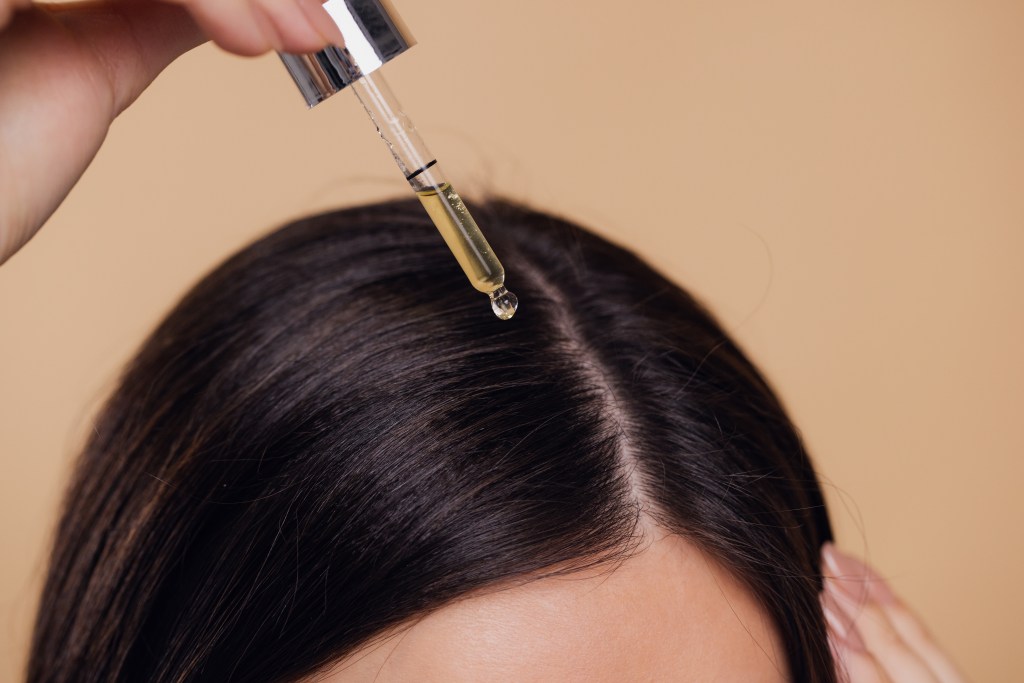
Hair growth begins at the hair follicles, which means scalp health supports actual growth. A quick scalp massage before bed can stimulate blood flow and promote growth. Research from dermatology sources like the Cleveland Clinic explains how circulation supports a healthy scalp environment.
Using essential oils diluted in a carrier oil for scalp massage may support scalp health when used properly. The goal isn’t aggressive stimulation; it’s consistent, gentle care. When the scalp’s healthy foundation is strong, hair growth and thicker strands become easier to maintain.
Create Sleep Habits That Support Overall Health
Deep sleep supports overall health, including hormone balance that affects hair growth. Stress, poor sleep habits, and scalp tension all impact hair health. Protecting your hair while you sleep is one piece of a larger picture.
If you’re already investing in skincare habits that repair overnight (like those discussed in The Ultimate Guide to Korean Skincare and Beauty), think of your nighttime hair care routine the same way. Protection while you rest allows your body to focus on recovery instead of repair.
Healthy hair isn’t just about products. It’s about habits.
Use the Right Tools Before Bed
Protecting your hair while you sleep starts before you even lie down. Using the wrong tools during your nighttime hair routine can create tension that cancels out all your other efforts. A wide-tooth comb helps gently detangle without pulling on the hair shaft, especially for textured or long hair that tends to knot easily.
For smoother results, a natural-bristle brush can help distribute scalp oils down the strands. This keeps hair hydrated and helps maintain moisture before you secure it for the night. Gentle brushing also supports scalp health by stimulating light blood flow without causing irritation to the hair follicles.
Healthy tools create healthier hair over time.
Adjust Based on Your Hair’s Condition
Not every night requires the same level of care. If your hair feels dry, a lightweight hair treatment or leave-in conditioner may be enough to maintain moisture. If your strands are already hydrated, simply reducing friction with a silk pillowcase or hair wrap might be the best move.
Damaged hair may benefit from occasional overnight treatments, but consistency matters more than intensity. A few drops of hair oil or hair serum can support hair moisturizer results without weighing down strands. Avoid overloading products, especially if your hair type tends to become greasy easily.
Your nighttime hair care routine should adapt to your hair’s needs, not follow a rigid rulebook.

Small Changes That Prevent Hair Damage Long Term
It’s easy to underestimate how much damage happens gradually. Friction from cotton pillowcases, tight hairstyles, or sleeping on wet hair can weaken the hair follicles over time. These small stressors add up, leading to split ends and unnecessary hair breakage.
Simple swaps, like choosing satin pillowcases, tying hair in a loose braid, or securing a hair wrap before bed, help reduce friction and prevent breakage. Even avoiding heavy tension from tight buns or rough elastics makes a difference in maintaining stronger hair.
Healthy hair isn’t built overnight. It’s protected overnight.
Why EveryMarket Makes Nighttime Hair Care Easier
Not all silk pillowcases, satin pillowcases, or hair wraps are created equal. The quality of the fabric, the stitching, and the finish all affect how well they protect your hair while you sleep. That’s where thoughtful curation matters.
At EveryMarket, the focus is on globally trusted brands and well-made beauty essentials not just trendy packaging. Whether you’re looking for a silk pillowcase, satin scarf, or a silk bonnet to support your nighttime hair routine, the goal is simple: products that actually support hair health and reduce friction consistently.
If you’re new to the platform, How EveryMarket Works: Bringing Trusted Global Brands to You explains how products are vetted. And if you’re building a smarter beauty routine overall, Best 18 Beauty Gifts for Every Budget offers insight into practical beauty upgrades that fit into real life, including nighttime hair care essentials.
Protecting your hair while you sleep should feel effortless, not overwhelming.
Final Thoughts: Protect Your Hair Consistently
The best way to protect hair while sleeping isn’t a single product; it’s a combination of friction control, moisture retention, and gentle styling. Reduce friction with silk pillowcases or satin pillowcases, avoid sleeping on wet hair, secure long hair in a loose braid, and nourish strands with lightweight hair oil or serum.
Protect your hair consistently, and you’ll notice less hair breakage, fewer split ends, and healthier hair over time. When nighttime hair care becomes automatic, your mornings become easier.
Sometimes the difference between damaged hair and healthier hair isn’t dramatic. It’s just what you do every night.
 EveryMarket Blog
Leave a comment