

You want to wear sunscreen daily, and you know sun protection matters, but then something doesn’t quite feel right…
Your sunscreen pills are under makeup. It stings your eyes. It leaves a white cast. It feels greasy. Suddenly, sunscreen becomes the most frustrating step in skincare, even though it’s the most important.
The conversation around mineral vs chemical sunscreen is everywhere online. Unfortunately, much of it oversimplifies the science. The real difference between mineral sunscreen and chemical sunscreens is not about fear or trends. It’s about how they interact with UV radiation, your skin type, and daily wear.
In this article, we’ll break down the science behind mineral vs chemical sunscreen, moving beyond social media soundbites and wellness myths. You’ll learn how mineral sunscreen ingredients like zinc oxide and titanium dioxide differ from chemical sunscreens, how each type protects against UVA and UVB rays, and what that means for effective broad-spectrum sunscreen coverage.
The Science of Sun Protection
Ultraviolet radiation from the sun includes UVA rays and UVB rays. UVB rays are primarily responsible for sunburn and play a direct role in the development of skin cancer. UVA rays penetrate deeper into the skin’s surface and contribute to premature skin aging, age spots, uneven skin tone, and cumulative skin damage.
Both types of UV rays contribute to long-term sun exposure damage. That’s why broad-spectrum sunscreen (protecting against both UVA and UVB rays) is essential.

Why Broad Spectrum Matters
SPF stands for Sun Protection Factor and measures protection against UVB rays only. It does not measure protection against UVA rays. Broad-spectrum sunscreen ensures coverage against both forms of ultraviolet radiation.
The Skin Cancer Foundation consistently emphasizes that daily sunscreen use significantly reduces the risk of skin cancer and visible sun damage. Whether mineral or chemical, sunscreen must provide broad-spectrum coverage to be effective.
If you’re curious how different skincare philosophies approach sun protection, our guide comparing Japanese vs Korean skincare explores how each culture prioritizes daily SPF.
Mineral Sunscreen
Mineral sunscreen relies on mineral sunscreen ingredients like zinc oxide and titanium dioxide. These ingredients form a protective layer on the skin’s surface.
Rather than penetrating deeply into the skin, they create a physical barrier that interacts with UV light before it damages skin cells. Modern mineral sunscreens both reflect UV rays and absorb portions of UV radiation, dispersing it safely.
How Mineral Sunscreens Work
Mineral sunscreens work immediately after application, offering immediate protection from the sun’s harmful UV rays. Because they sit on the skin’s surface, they are often recommended for sensitive, acne-prone, and allergy-prone skin.
Zinc oxide, in particular, has calming properties, making mineral sunscreen suitable for reactive skin conditions and post-procedure skin.
Texture and Cosmetic Considerations
Historically, mineral sunscreen had a reputation for thick texture and white cast. Today, tinted mineral sunscreens and refined formulations have significantly improved cosmetic appeal, especially for darker skin tones and uneven skin tone concerns.
Many Korean mineral sunscreens are designed with long-term skin health in mind, which aligns closely with the anti-aging approach highlighted in our guide to the best Korean anti-aging products.
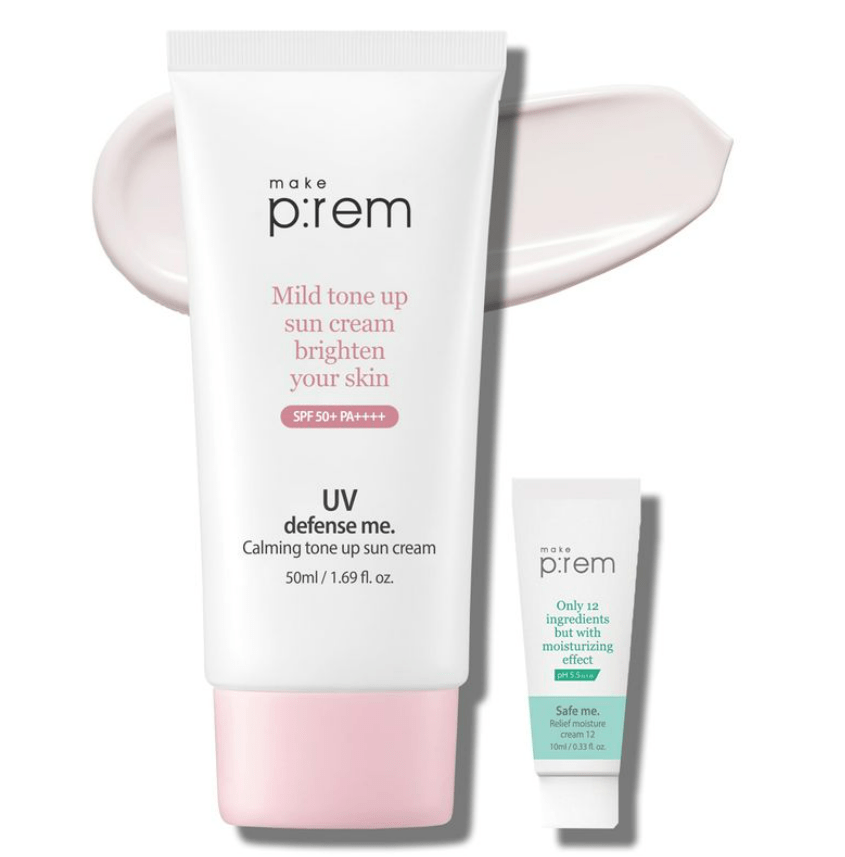
Mineral Sunscreens at EveryMarket
Sensitive Skin Protection
- Blue Lizard SPF 50+ Sensitive Sunscreen is formulated specifically for sensitive skin. Its zinc oxide base provides strong UVA and UVB protection without fragrance or irritating additives. It’s ideal for daily sunscreen use when skin conditions require minimal stimulation.
- MAKEPREM UVA UVB Defense Me Calamine Calming Sun Cream SPF 50+ offers Korean mineral sunscreen innovation. The inclusion of calamine helps soothe irritation while delivering a high sun protection factor, making it well-suited for acne-prone skin and compromised skin barriers.
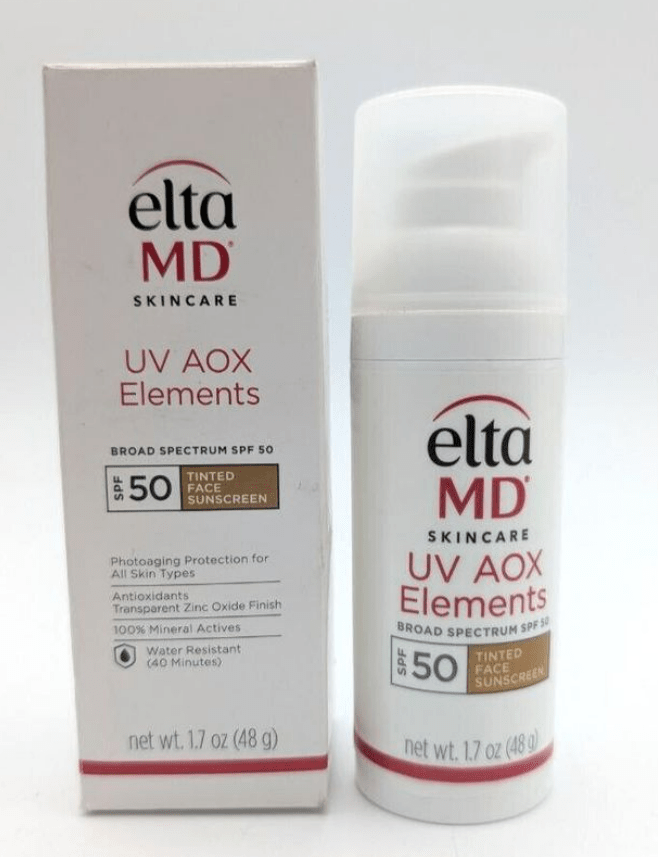
Tinted Mineral Options
- EltaMD UV AOX Elements Tinted Mineral Sunscreen SPF 50 combines zinc oxide with antioxidants to combat premature skin aging. The tinted finish reduces white cast and blends across multiple skin tones, making it an excellent daily sunscreen for uneven skin tone and dark spots.
- Unsun Everyday Mineral Tinted Face Sunscreen SPF 30 was designed specifically to avoid the chalky look that often deters darker skin tones from mineral sunscreen. It delivers broad-spectrum coverage while maintaining a natural finish.
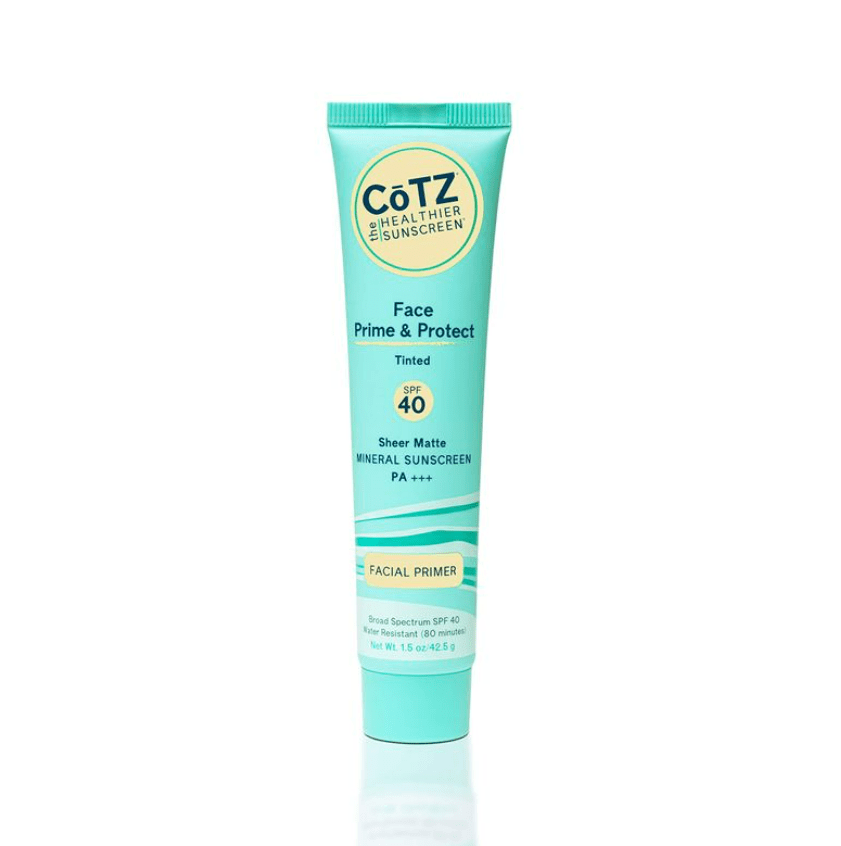
Performance and Hybrid Texture
- COTZ Face Prime & Protect Mineral Sunscreen SPF 40 doubles as a primer, smoothing the skin’s surface and reducing pilling under makeup, a common mineral sunscreen complaint.
- Sun Zapper Zinc Oxide Mineral Sunscreen Stick SPF 50+ offers high water-resistant protection, ideal for sports and extended sun exposure, where a thicker texture is beneficial.
Each mineral sunscreen meets a different need, from daily wear for sensitive skin to extreme outdoor protection.
Chemical Sunscreens
Chemical sunscreens use chemical sunscreen ingredients such as avobenzone and octocrylene. These chemical compounds absorb UV radiation into the skin’s surface layers.
Through a chemical reaction, UV energy is converted into heat and released from the skin before it damages skin cells.
How Chemical Sunscreen Works
Unlike mineral sunscreen, chemical sunscreen takes approximately 15 minutes to work after application. Once absorbed, chemical ingredients filter UVA and UVB rays internally rather than sitting as a physical barrier.
Because chemical sunscreens are absorbed, they typically have a lighter texture and greater cosmetic elegance. This makes them particularly appealing for oily skin and daily wear under makeup. Many modern chemical sunscreens are formulated to layer seamlessly under makeup, a key reason they’re often featured alongside today’s top Korean makeup and beauty brands.
Skin Compatibility
Some individuals with sensitive skin may experience irritation from certain chemical ingredients. However, many modern chemical sunscreens are formulated to minimize allergic reactions while still delivering effective sun protection.
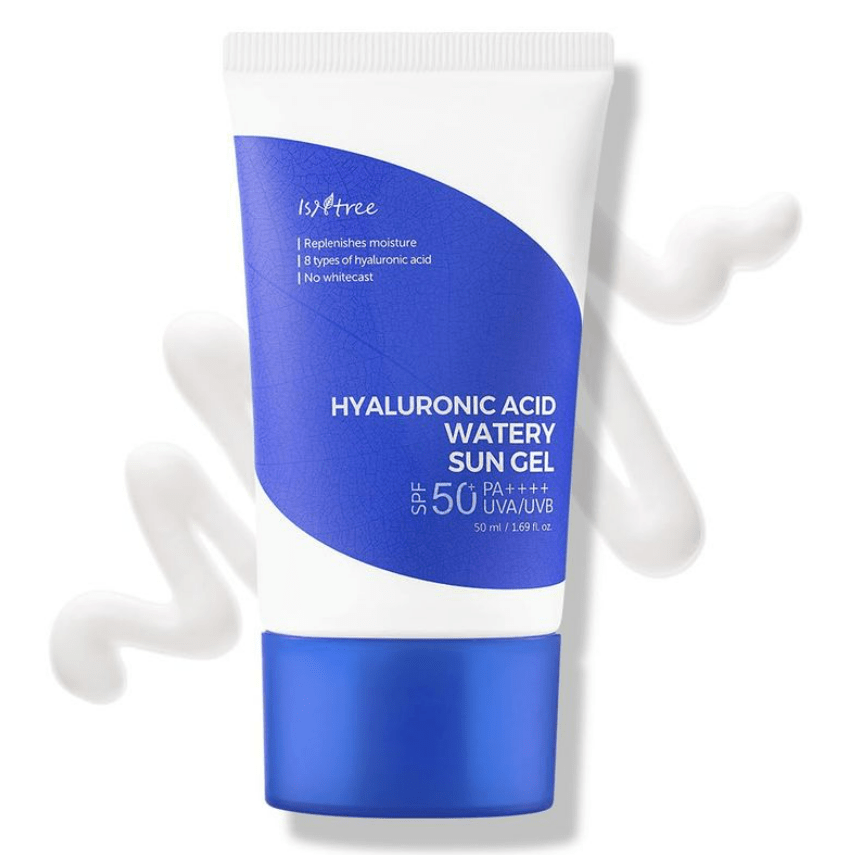
Chemical Sunscreens at EveryMarket
Lightweight Everyday Formulas
- Isntree Hyaluronic Acid Watery Sun Gel SPF 50 exemplifies the modern Korean chemical sunscreen aesthetic. The gel texture absorbs quickly, layers smoothly, and contains hyaluronic acid for hydration, making it ideal for combination or oily skin.
- Versed Good Defense Daily Sunscreen SPF 50 offers broad-spectrum protection in a smooth, non-greasy formula designed for everyday use.
- Trader Joe’s Daily Facial Chemical Sunscreen SPF 40 delivers a fluid finish that glides across the skin’s surface, making it excellent for makeup layering.
Hybrid Sunscreen Options
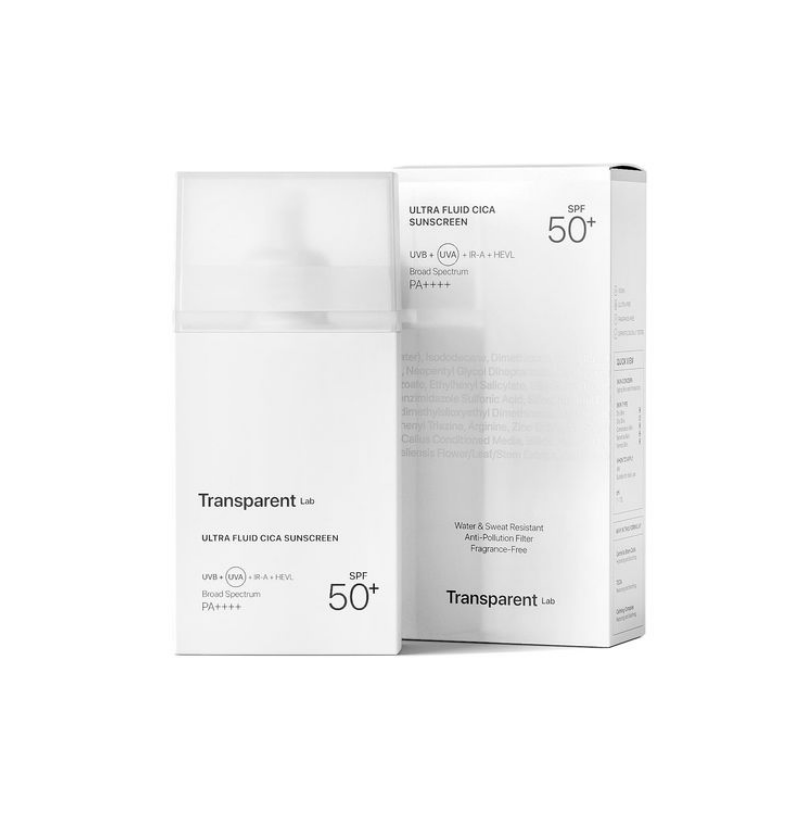
- Transparent Lab Ultra Fluid Cica Sunscreen blends mineral and chemical filters, creating a hybrid sunscreen that balances comfort and performance.
- Cocokind Silk SPF 30 and CeraVe Hydrating Sheer Sunscreen SPF 30 both combine mineral and chemical sunscreen ingredients, offering a better cosmetic feel while maintaining broad-spectrum coverage.
- V’anhalla All Day UV Barrier SPF50+ delivers a high sun protection factor in a vegan chemical sunscreen formulation designed for daily UV protection.
Hybrid sunscreens are particularly useful for those who want the benefits of both mineral and chemical sunscreens without committing to either.
Mineral or Chemical: How to Decide
Choosing between mineral and chemical sunscreen isn’t about picking a side; it’s about matching the formula to your skin, habits, and level of sun exposure. Both mineral and chemical sunscreens provide effective sun protection when used properly. The key is compatibility.
Consider Your Skin Type
Your skin type plays a major role in how a sunscreen feels and performs. If you have sensitive skin, rosacea-prone skin, or a history of allergic reactions, a mineral sunscreen formulated with zinc oxide may feel more comfortable. Because mineral sunscreen sits on the skin’s surface and forms a physical barrier, it is often less likely to trigger irritation from certain chemical ingredients.
For those with acne-prone skin, the decision may depend on texture preference. Some acne-prone individuals prefer lightweight chemical sunscreens because they absorb quickly and don’t feel heavy. Others find that mineral sunscreen is less reactive on inflamed breakouts. In either case, looking for non-comedogenic, broad-spectrum sunscreen formulations is essential.
If you struggle with oily skin, chemical sunscreens often feel more breathable and less occlusive. Many modern chemical sunscreen formulas are designed with fluid, gel-like textures that reduce shine and layer smoothly under makeup. However, newer mineral sunscreen innovations (especially tinted or silicone-based formulas) have significantly improved cosmetic elegance, even for oilier complexions.

Consider Your Lifestyle and Daily Exposure
Your environment and habits matter just as much as your skin type. If you participate in outdoor sports, swim frequently, or experience prolonged sun exposure, a water-resistant mineral sunscreen (particularly one with high concentrations of zinc oxide) may provide more durable protection. Zinc-based sticks and performance formulas are especially effective in high-UV environments because they maintain coverage even when sweating.
For everyday urban wear, commuting, or working indoors near windows, a lightweight chemical sunscreen may feel more comfortable. These formulas tend to spread easily, blend invisibly across different skin tones, and reduce the risk of pilling under makeup. If daily sunscreen application feels seamless, you’re more likely to remain consistent.
If you prefer a middle ground, hybrid sunscreens that combine mineral and chemical filters can offer balanced broad-spectrum coverage. These formulations aim to provide the stability of mineral sunscreen with the fluid texture of chemical sunscreens.
The Most Important Factor: Consistency
Ultimately, the best sunscreen is the one you will apply every morning and reapply correctly during the day. Effective sun protection depends less on whether you choose mineral or chemical and more on whether you use enough sunscreen and maintain broad-spectrum coverage consistently.
A perfectly formulated sunscreen that stays in your drawer offers no protection. A sunscreen that fits your skin, your routine, and your comfort level becomes sustainable, and sustainability is what prevents long-term sun damage, premature skin aging, and cumulative ultraviolet radiation exposure.
When deciding between mineral and chemical sunscreens, think beyond trends. Think about texture, tolerance, environment, and consistency. That’s how you choose wisely. If you’re overwhelmed by viral sunscreen recommendations, our breakdown of trending products that actually live up to the hype can help separate performance from marketing noise.
Final Thoughts
The mineral vs chemical sunscreen conversation should be guided by science, not fear. Mineral sunscreen ingredients, such as zinc oxide and titanium dioxide, provide immediate protection through a physical barrier. Chemical sunscreen ingredients absorb UV radiation and convert it into heat, offering cosmetically elegant finishes.
Both mineral and chemical sunscreens protect against the sun’s harmful UV rays when properly formulated and applied. Whether you choose mineral, chemical, or hybrid sunscreen, consistent daily use remains one of the most powerful tools for preventing premature skin aging, sun damage, and skin cancer.
Sunscreen is not a trend. It is foundational skin protection.
 EveryMarket Blog
Leave a comment