
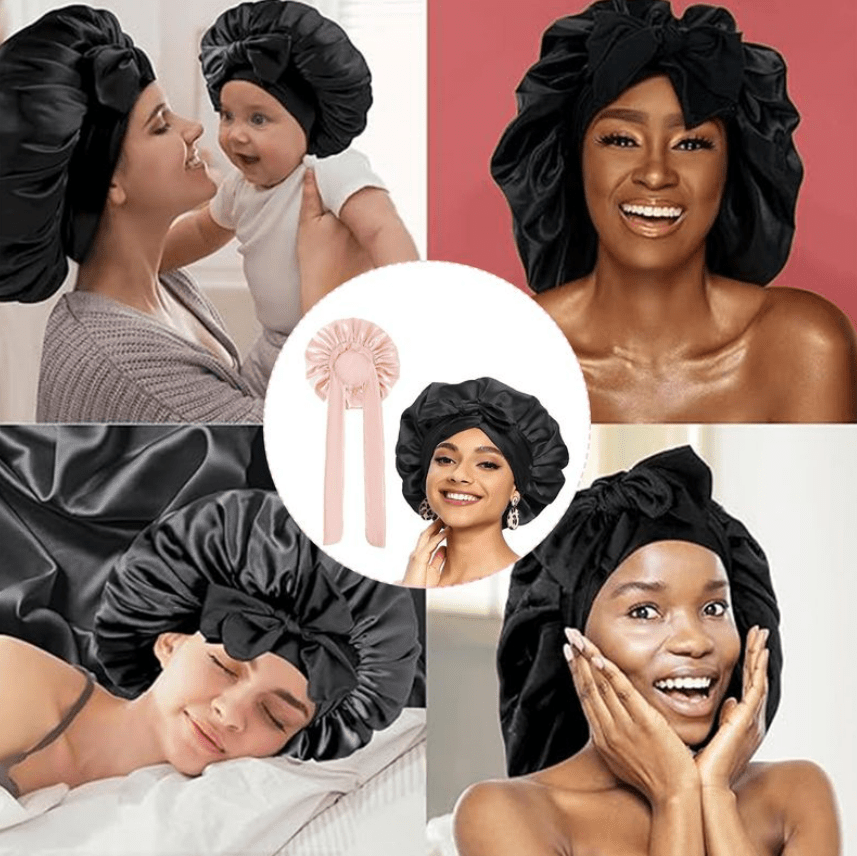
The silk vs satin bonnet debate sounds simple, but the details matter more than most people realize. Both silk and satin bonnets promise smoother mornings, less frizz overnight, and better moisture retention, but they’re not made the same way, and they don’t perform the same either.
Hair bonnets exist for one reason: to protect your hair while you sleep. As you move during the night, friction between your hair strands and your pillow creates tension that leads to breakage, split ends, and moisture loss. Unlike cotton, which can absorb moisture and disturb your hair’s natural oils, both silk and satin offer a smoother surface that supports healthier hair over time.
The question isn’t which one is trendy. It’s which one fits your hair care routine and your hair type best.
- Silk and Satin Bonnets: What’s the Real Difference?
- Does Silk or Satin Actually Prevent Breakage?
- Polyester Satin vs Real Silk
- Silk vs Satin for Frizz and Shine
- Moisture Retention and Hair Hydration
- Silk Pillowcase or Bonnet?
- Which Hair Types Benefit Most?
- Proper Care and Longevity
- Where to Find High-Quality Silk and Satin Bonnets
Silk and Satin Bonnets: What’s the Real Difference?
The biggest confusion in the silk vs satin bonnet conversation is that satin isn’t a fiber, it’s a satin weave. Satin bonnets are often made from synthetic materials like polyester satin, though they can also be woven from silk. Silk bonnets, however, are made from real silk fibers, most commonly mulberry silk.
Real silk has a naturally smooth texture and a glossy surface that help reduce friction on hair strands. That smooth surface helps prevent breakage and reduce frizz by minimizing mechanical stress on the cuticle. Hair professionals frequently point out that repeated friction is one of the leading causes of hair damage over time, something you can explore further through dermatology resources like the American Academy of Dermatology.
So when comparing silk and satin bonnets, the difference comes down to fiber composition and how each interacts with moisture and hair health.
Does Silk or Satin Actually Prevent Breakage?
It’s easy to assume silk and satin bonnets magically “fix” hair, but what they really do is reduce the conditions that cause damage in the first place. Breakage usually happens because of repeated friction, tension, and moisture loss, especially while you sleep.
Both silk and satin bonnets create a smooth surface that helps reduce friction against hair strands. That reduction in friction helps prevent breakage and reduce frizz, particularly for curly and textured hair and protective styles. When hair retains moisture overnight instead of losing it to absorbent fabrics, split ends become less frequent, and overall hair health improves gradually.
Research in dermatology indicates that mechanical stress is a major contributor to hair damage. You can explore more about mechanical hair stress and cuticle wear through resources like the Cleveland Clinic, which breaks down how daily friction impacts hair structure over time.
Polyester Satin vs Real Silk
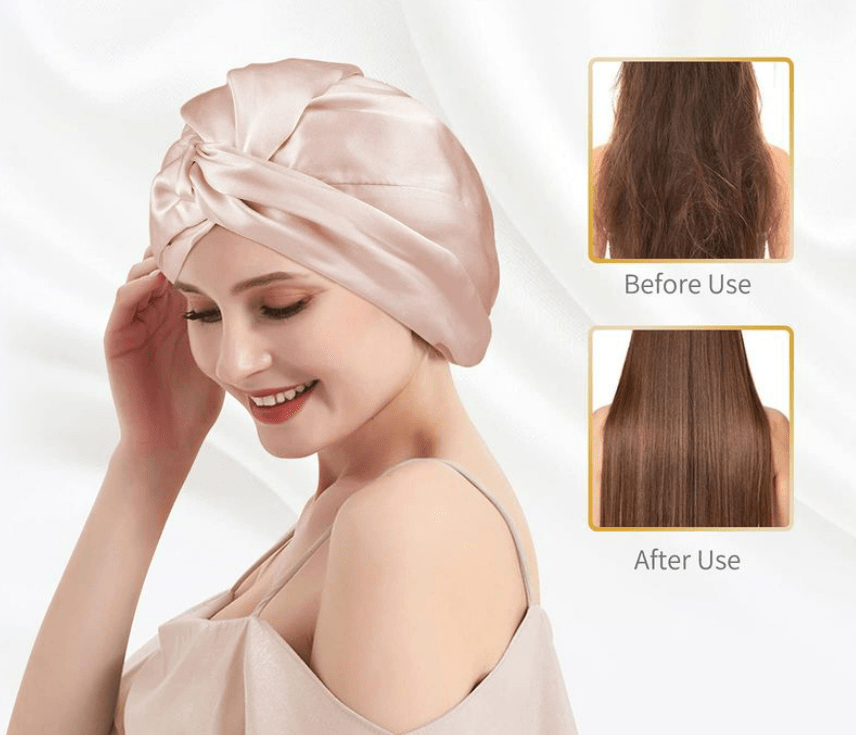
Most satin bonnets on the market are made from polyester satin or other synthetic satin fabrics. They mimic the smooth texture of silk and can absolutely help reduce breakage and prevent frizz overnight. For many hair types, especially fine hair or wavy hair, satin bonnets provide enough slip to support healthy hair without a high price point.
However, real silk (particularly high-quality silk like mulberry silk) behaves differently. Silk fibers are protein-based and naturally breathable, which means they help regulate temperature rather than trap heat. Synthetic materials may trap heat more easily, especially for thicker hair or textured hair.
This is why details like silk grade and weight matter. For example, a higher-density option such as the Olesilk 22 Momme Silk Bonnet is crafted from heavier-weight mulberry silk, which helps maintain a smoother surface over time while supporting moisture retention and long-term durability.
Textile research comparing natural fibers and synthetic fibers shows differences in breathability and moisture management, which helps explain why some people feel a silk bonnet is the superior choice. That said, both silk and satin can support hair moisture and reduce frizz when constructed well.
Silk vs Satin for Frizz and Shine
If your main concern is frizz overnight, both silk and satin can help, but the finish may feel slightly different. Real silk, especially mulberry silk, has an ultra-smooth surface that reflects light more evenly, which can make silk hair appear glossier and smoother by morning.
Satin bonnets made from synthetic satin also offer a smooth texture, but they may not regulate temperature the same way silk does. For some hair types, especially thicker hair or those prone to heat buildup, silk’s breathable nature can help maintain moisture without trapping excess warmth.
For fine hair or wavy hair, satin bonnets often perform just as well in reducing frizz and maintaining moisture retention. The key isn’t just silk or satin, it’s consistency. A bonnet worn every night supports hair moisturized results far more than one worn occasionally.
Over time, the difference between dull back texture and frizz-free hair isn’t dramatic overnight; it’s cumulative.
Moisture Retention and Hair Hydration
One of the biggest benefits of both silk and satin bonnets is moisture retention. Cotton pillowcases absorb moisture from both hair and skin, contributing to dryness and dull skin texture. Unlike cotton, silk and satin help retain moisture by creating a smooth surface that allows hair’s natural oils to stay in place.
For curly hair and textured hair, maintaining moisture retention is especially important. These hair types are naturally more prone to dryness because oil distribution is less even along the curl pattern. A silk hair bonnet made from real silk can help maintain moisture overnight, leaving hair hydrated instead of dry by morning.
If you’re already focused on barrier repair and skin hydration (like we discuss in Best Japanese Skincare Brands), the same principle applies to hair health. Preservation matters more than constant correction.
Silk Pillowcase or Bonnet?
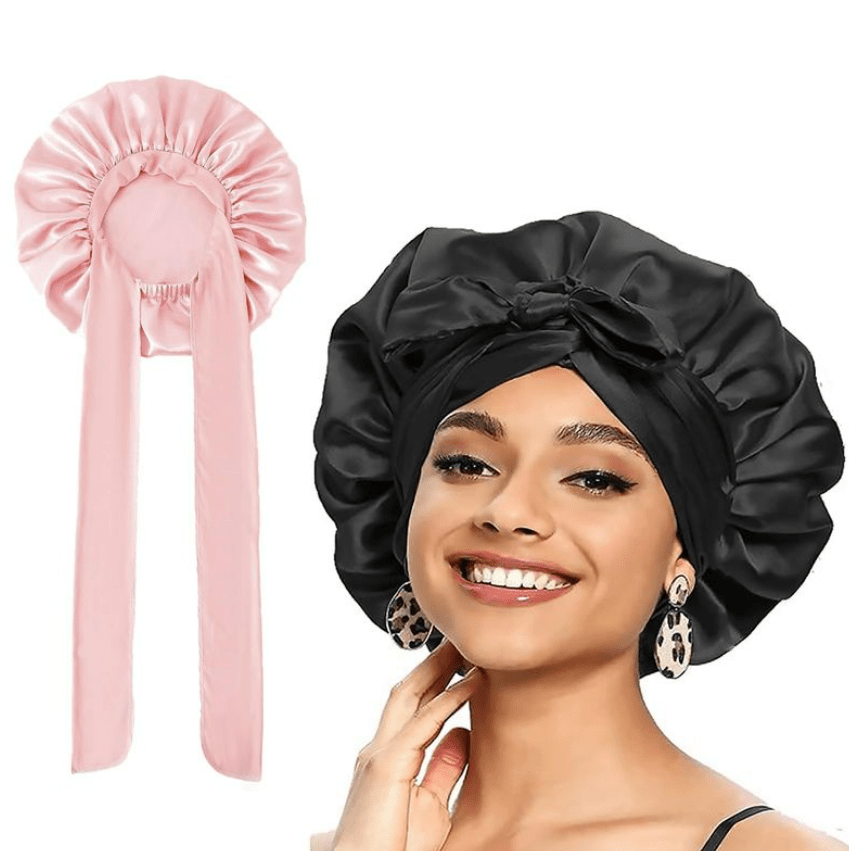
A silk pillowcase can support hair health and protect sensitive skin, but it doesn’t provide the same containment as a hair bonnet. Hair still shifts while you sleep, which means friction can still occur. A silk or satin bonnet creates a controlled environment around your head, helping reduce frizz overnight more effectively.
Some people pair silk hair bonnets with a silk pillowcase for maximum protection. If you’re exploring beauty sleep upgrades overall, you might also enjoy our The Trending Products That Consistently Live Up to the Hype, where we cover maintenance-focused beauty essentials that actually perform.
The key difference is coverage. Bonnets fully wrap the hair, making them more reliable for overnight hair care.
Which Hair Types Benefit Most?
Different hair types respond differently to silk and satin. Curly hair, textured hair, and protective styles often benefit from real silk due to its ultra-smooth surface and moisture-retention properties. Fine hair may not require the same level of fiber quality and can do well with well-made satin bonnets.
Thicker hair may benefit from the breathability of silk, while wavy hair may find both silk and satin equally effective. Ultimately, the choice comes down to how prone your hair is to moisture loss and frizz overnight.
Across different hair textures, the goal remains the same: prevent hair damage, retain moisture, and support hair health consistently.
Proper Care and Longevity
A silk bonnet lasts longer with proper care. Because real silk is a delicate natural fiber, it should be hand-washed in cold water with a mild detergent and air-dried. With proper care, high-quality silk maintains its smooth surface and luxurious feel for years.
Satin bonnets made from synthetic materials are often easier to maintain and may tolerate machine washing. However, gentle washing still protects the satin weave and preserves its ability to reduce friction.
Whether silk or satin, consistent overnight use is what truly improves hair health.
Where to Find High-Quality Silk and Satin Bonnets
Not all silk and satin bonnets are created equal. Fiber quality, construction, and finishing details all matter. At EveryMarket, the focus is on curated global products that prioritize real materials and thoughtful design, not just aesthetics.
If you’re new to the platform, you can explore How EveryMarket Works: Bringing Trusted Global Brands to You to understand how global brands are vetted. For those already exploring beauty essentials, Top Korean Makeup & Beauty Brands You Need to Know About offers insight into globally trusted names that prioritize quality across categories.
When it comes to silk vs satin bonnet decisions, quality matters more than trend labels.
Final Thoughts: Silk or Satin?
In the silk vs satin bonnet debate, both options can support healthy hair when chosen thoughtfully. Silk bonnets made from mulberry silk offer a naturally smooth texture, breathability, and long-term durability that many consider a superior choice. Satin bonnets provide an accessible alternative that still reduces friction and supports moisture retention.
The best silk or satin bonnet is the one that fits your hair care routine, protects your hair strands consistently, and feels comfortable enough to wear every night. Hair health is less about perfection and more about small habits that compound over time.
Sometimes the difference between frizzy hair and smooth mornings comes down to what you put on your head before bed.
 EveryMarket Blog
Leave a comment