
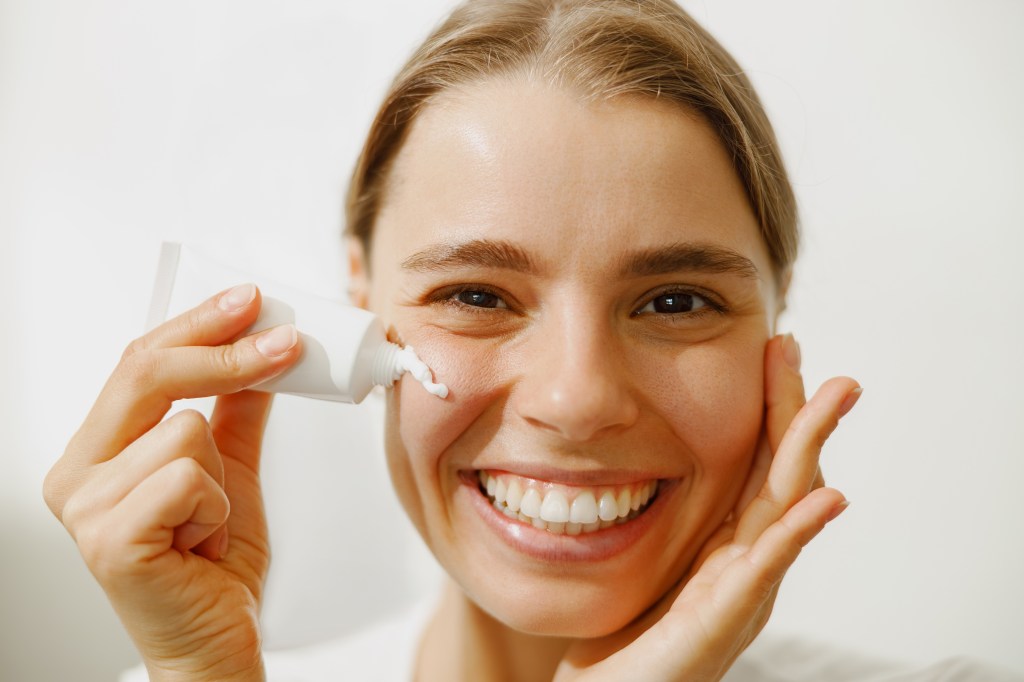
Most sunscreen advice is either too vague (“just wear SPF”) or too technical (“filter systems, UVA ratios”). Meanwhile, you just want one you’ll actually use. One that feels good, layers well, and doesn’t ruin your makeup or your day.
The truth: choosing sunscreen is about finish, comfort, and consistency. At EveryMarket, sunscreen shopping feels less like a drugstore compromise and more like finding the formula that matches your skin and your lifestyle.
Table of Contents
- Sun Protection Factor (SPF): What the Number Really Means
- Chemical and Physical Sunscreens: How They Work
- Water Resistance and Real-World Protection
- Spray Sunscreens, Mists, and Application Formats
- Sunscreen Is One Part of Sun Protection
- The Quick Checklist for Buying a Sunscreen That Performs
Sun Protection Factor (SPF): What the Number Really Means
Before deciding what to look for in sunscreen, it helps to understand the terminology on the label. SPF and PA ratings aren’t marketing terms; they measure how well a sunscreen protects your skin from different types of UV radiation.
SPF, or sun protection factor, measures protection against UVB rays. UVB rays are primarily responsible for sunburn and play a major role in the development of skin cancer. The SPF value tells you how much longer it may take for your skin to burn compared to unprotected skin under the same UV exposure.
For example, SPF 30 blocks about 97% of UVB radiation, while SPF 50 blocks about 98%. The difference may seem small, but in real-world sunscreen use, where most people don’t apply enough sunscreen, a higher SPF can provide a useful safety margin.
However, SPF does not measure protection from UVA rays. UVA rays penetrate deeper into the skin and are strongly associated with premature skin aging, wrinkles, age spots, and long-term cellular damage. They also contribute to the risk of skin cancer. This is where the PA rating becomes important.
PA stands for “Protection Grade of UVA.” You’ll often see it written as PA+, PA++, PA+++, or PA++++. The more plus signs, the higher the UVA protection level. A sunscreen labeled SPF 50 PA++++ provides strong protection against both UVA and UVB rays, offering more comprehensive defense against the sun’s harmful UV rays.
When choosing sunscreen products, look for both:
- An SPF 30 or higher
- A high PA rating (ideally PA+++ or PA++++)
- A clear label indicating broad-spectrum protection
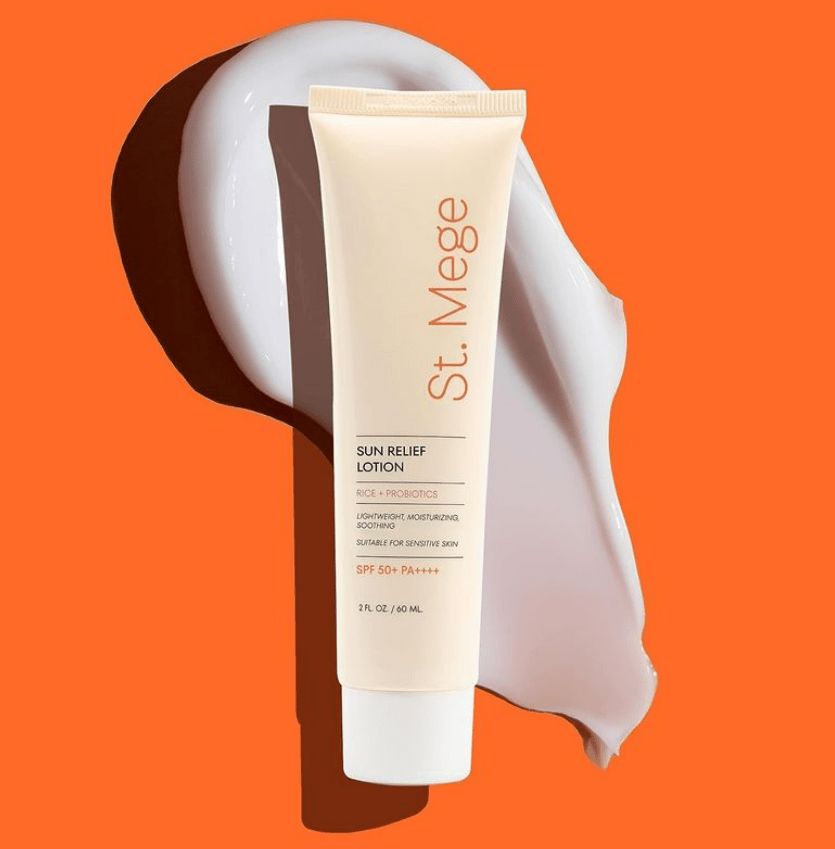
Products like DHC Perfect UV Milk SPF 50, Bio Watery Sunscreen SPF 50 Broad Spectrum, and Clear Rice Korean Sunscreen SPF 50+ PA++++ offer high-SPF options designed for daily wear.
The key is not to chase the highest SPF rating available, but to choose a sunscreen with a reliable SPF 30 or higher that you will actually apply in sufficient amounts.
Chemical and Physical Sunscreens: How They Work
When evaluating sunscreen ingredients, you’ll see two primary categories: chemical and physical sunscreens.
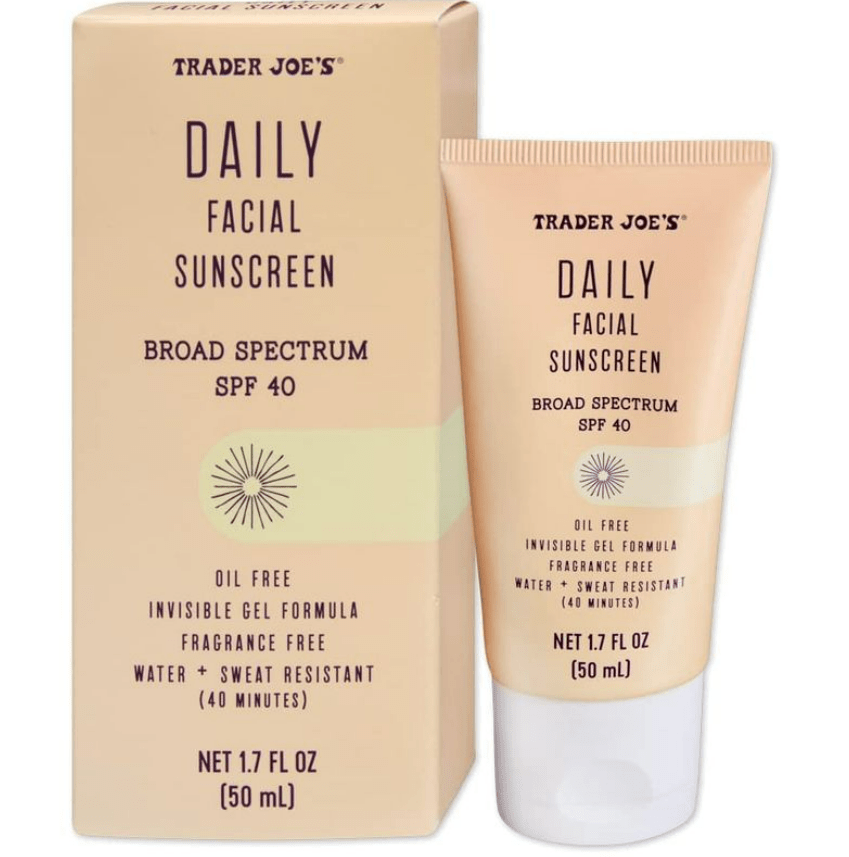
A chemical sunscreen absorbs UV radiation and converts it into heat before it damages the skin. These formulas often feel lighter and are less likely to leave a white cast. Modern chemical sunscreen filters are designed to offer effective sun protection while maintaining cosmetic elegance. For example, Trader Joe’s Daily Facial Sunscreen SPF 40 Invisible Gel is a lightweight option that feels nearly invisible on skin and works well under makeup.
Physical sunscreens, also known as mineral sunscreens, use active ingredients like zinc oxide and titanium dioxide. These ingredients sit on the skin’s surface and reflect or scatter UV rays. Mineral sunscreens are often recommended for sensitive skin and those prone to irritation because they tend to be less reactive.
If you’re building a full routine around your sunscreen choice, our guide to Top 5 Korean Toners Loved by Skincare Experts and 6 Best Skin Barrier Repair Products can help you layer products that support your skin barrier and improve how sunscreen sits on your skin.
Water Resistance and Real-World Protection
If you sweat, swim, or exercise outdoors, look for sunscreen labeled water-resistant. Water resistance indicates the sunscreen’s ability to maintain protection for a specified period (typically 40 or 80 minutes) during water exposure.
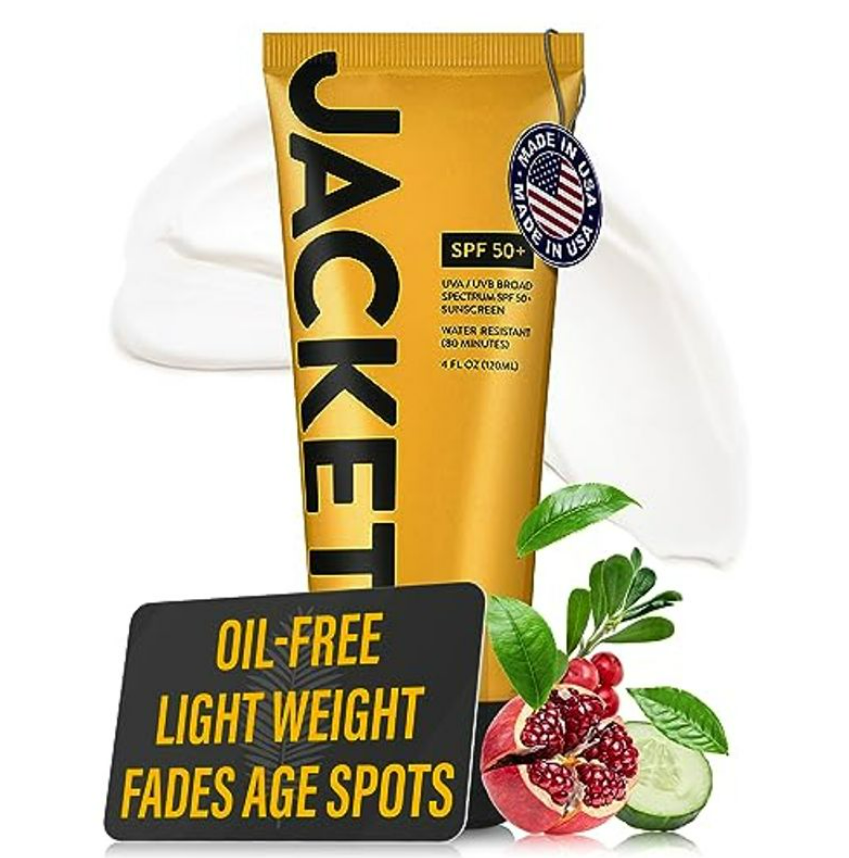
Water resistance does not mean waterproof. After swimming or sweating heavily, reapplying sunscreen is essential. Products like JACKET Sport Sunscreen SPF 50+ and Mango Bay Sport Formula Sunscreen Spray SPF 50 are designed for performance and high-activity environments where prolonged sun exposure is common.
Remember that sun exposure accumulates over time. Even on cloudy days, UV radiation penetrates through clouds. The Environmental Protection Agency consistently warns that UV exposure occurs even when the sun is not visible.
Spray Sunscreens, Mists, and Application Formats
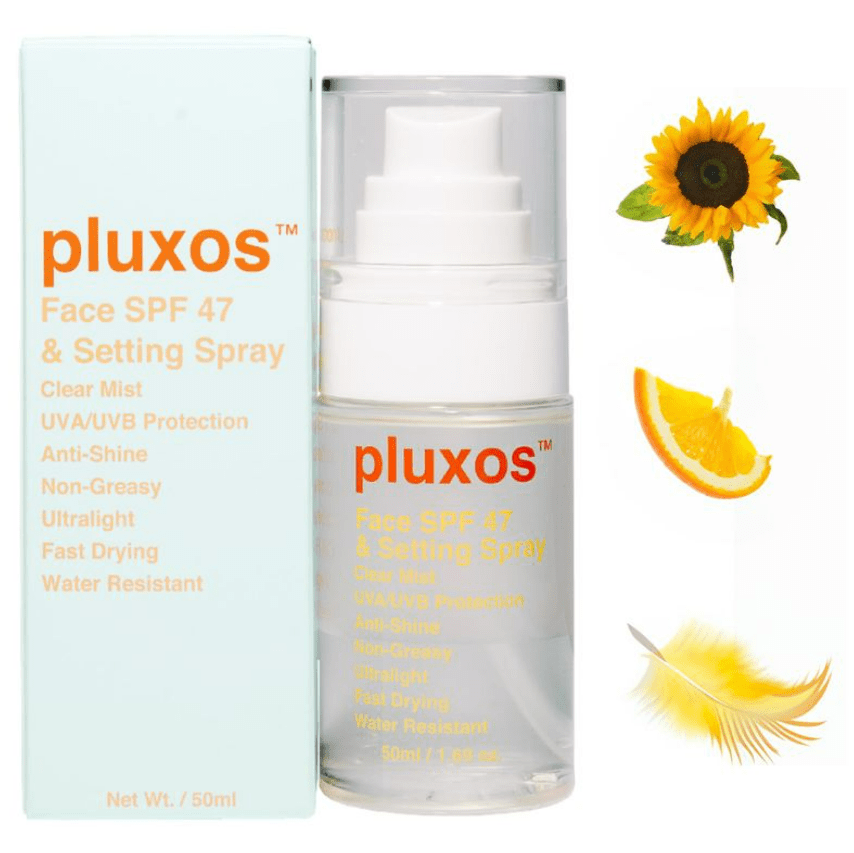
Spray sunscreens and face mists like PLUXOS 47 Sunscreen + Skincare SPF 47 Face Mist offer convenient reapplication options, especially over makeup. However, applying sunscreen evenly is critical. Spray formulas must be applied generously and rubbed in to evenly cover exposed skin.
When applying sunscreen lotion or cream, most dermatologists suggest using about a shot glassful for full-body coverage. For the face alone, about two finger-lengths of sunscreen is generally recommended.
Avoid applying sunscreen near an open flame, as aerosol spray sunscreens may be flammable. Also, check the expiration date on sunscreen containers. Expired sunscreen products may lose effectiveness and compromise protection.
Sunscreen Is One Part of Sun Protection
Even the best sunscreen cannot provide 100% protection. True sun protection goes beyond applying sunscreen alone. To protect your skin effectively, combine daily sunscreen use with additional protective measures such as wearing protective clothing, choosing a wide-brimmed hat, and seeking shade during peak sun hours. Areas like the scalp (especially where hair is thinning) are particularly vulnerable to sunburn and often overlooked.
The FDA recommends reapplying sunscreen every two hours, and immediately after swimming or sweating, to maintain broad-spectrum protection. Sunscreen use should be consistent and daily, not reserved for beach vacations or sunny days. The sun’s harmful UV rays penetrate even on cloudy days, contributing to premature aging, age spots, early skin damage, and increasing the long-term risk of skin cancer.
While sunscreen helps prevent sunburn, its primary role is to reduce the cumulative negative effects of UV radiation. Consistent use of broad-spectrum sunscreen helps protect your skin from both visible surface damage and deeper cellular harm caused by UVA and UVB rays. Daily protection is not just cosmetic; it is preventative care for long-term skin health.
The Quick Checklist for Buying a Sunscreen That Performs
If you’re deciding what to look for in sunscreen, follow these steps. The goal isn’t to buy the most expensive sunscreen; it’s to choose one that delivers consistent, effective sun protection.
Step 1: Confirm It Says “Broad Spectrum”
Always choose a broad-spectrum sunscreen. This ensures protection against both UVA and UVB rays. UVB rays cause sunburn. UVA rays penetrate deeper into the skin and contribute to premature skin aging, early skin damage, and increased risk of skin cancer.
Without broad-spectrum protection, you are not fully protected from the sun’s harmful UV rays.
Step 2: Choose SPF 30 or Higher
Check the sun protection factor (SPF) on the label. As we mentioned above, the FDA recommends SPF 30 or higher for daily use. SPF 30 blocks about 97% of UVB radiation, while SPF 50 blocks about 98%.
If you spend more time outdoors or experience prolonged sun exposure, choose a higher SPF. The SPF value only measures UVB rays, so it must be paired with broad-spectrum coverage for full protection against UVA and UVB.
Step 3: Decide Between Chemical and Physical Sunscreens
Understand the difference between chemical and physical sunscreens.
A chemical sunscreen absorbs UV radiation and often feels lighter on the skin. These formulas typically blend more easily and are ideal under makeup. Physical sunscreens, also called mineral sunscreens, use active ingredients like zinc oxide and titanium dioxide to reflect UV rays. These are often recommended for sensitive skin and may be less irritating.
Both types can offer effective sun protection; the right choice depends on your skin type and texture preference.

Step 4: Check for Water Resistance
If you sweat, swim, or spend time outdoors, choose a water-resistant sunscreen. Water resistance helps maintain protection during activity, but it does not mean waterproof. Reapplication is still necessary after swimming or sweating.
Look for clear labeling and check the expiration date on sunscreen containers to ensure the sunscreen’s ability to protect has not diminished.
Step 5: Make Sure You’ll Use It Daily
Even the most advanced sunscreen ingredients won’t help if you avoid wearing the product.
Choose sunscreen products that feel comfortable on your skin, do not leave a heavy or greasy finish, and integrate into your routine. The best sunscreen is one you will apply consistently, enough sunscreen, evenly cover exposed skin, and reapply throughout the day.
Effective sun protection is about daily habits. Consistent sunscreen use helps protect your skin from UV radiation, prevents sunburn, reduces premature aging, and lowers the long-term risk of developing skin cancer.
Choosing the Right Sunscreen at EveryMarket
Not all sunscreens are created equal. Some prioritize texture. Others focus on durability. The best sunscreen products balance broad-spectrum protection, strong SPF rating, comfortable texture, and reliable active ingredients.
At EveryMarket, you can explore a curated range of sunscreen products, from lightweight chemical sunscreen formulas. Whether you prefer lotion, gel, or spray sunscreens, the goal remains the same: protect your skin from harmful rays in a way that fits your lifestyle.
And the best sunscreen? It’s the one you use consistently. Every single day. Find yours now at EveryMarket.
If you’re new here, you can start with What Is EveryMarket? or explore How EveryMarket Works: Bringing Trusted Global Brands to You to understand how we curate trusted global skincare and sun protection products.
 EveryMarket Blog
Leave a comment