
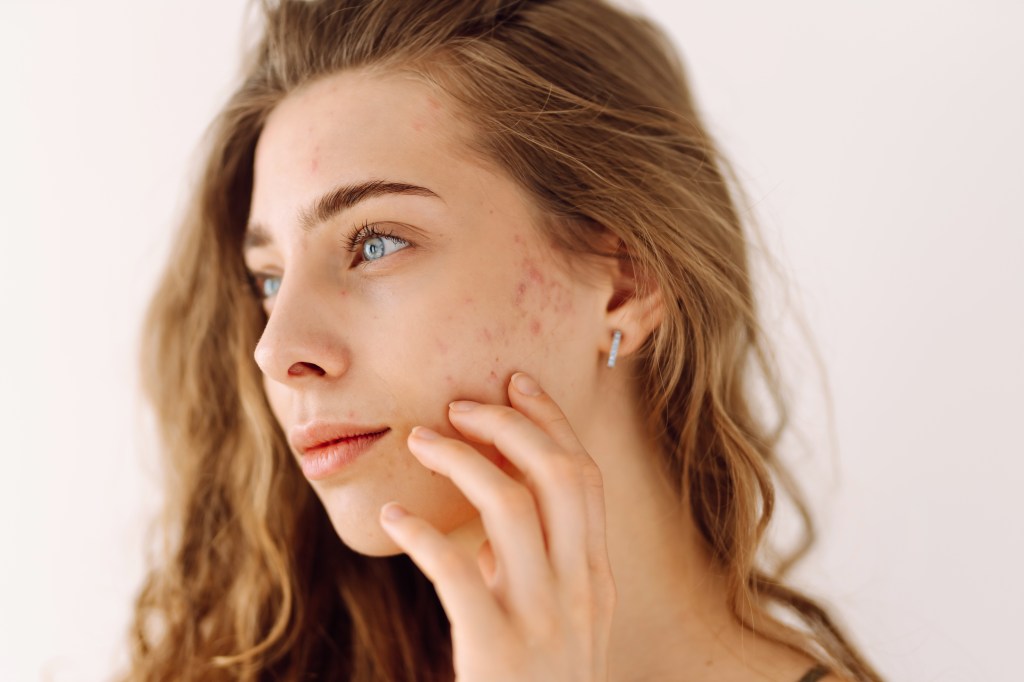
If you’ve been “treating acne scars” for months and nothing is changing, you’re not alone. A lot of people are actually dealing with hyperpigmentation, which are dark marks left behind after inflammation, not true scars.
The truth is that hyperpigmentation and acne scars are different problems, which means they require different treatment strategies and different timelines.
In this guide, we will break down hyperpigmentation vs acne scars in a way that answers the questions you are actually asking. How do you tell the difference? Why are your dark spots not fading? Are you wasting money on the wrong treatment? And what actually works for clearer skin?
Table of Contents
- Hyperpigmentation vs Acne Scars: Understanding the Core Difference
- Post Acne Hyperpigmentation: Why Dark Marks Linger
- Acne Scars: Structural Changes in the Skin
- Effective Treatments for Hyperpigmentation
- Effective Treatments for Acne Scars
- Building a Routine That Supports Long-Term Skin Health
Hyperpigmentation vs Acne Scars: Understanding the Core Difference
When people search for hyperpigmentation vs acne scars, they’re usually frustrated. They’ve tried exfoliating acids, brightening serums, and maybe even professional treatments, but the marks are still there. The confusion starts because both conditions appear after acne and affect your skin’s appearance.
Simply put: Hyperpigmentation is about skin discoloration, while acne scars are changes in the skin’s texture.
Hyperpigmentation occurs when acne-related inflammation triggers excess melanin production. After acne heals, the skin produces too much melanin in the affected area. This leads to dark spots, dark marks, or post-acne marks that are flat but darker than the surrounding skin. This condition is known as post-inflammatory hyperpigmentation or post-acne hyperpigmentation.
Acne scars are different. They form when inflammation damages the deeper layers of skin and disrupts collagen production during the healing process. Instead of only discoloration, you get structural changes in the skin’s surface. That means dips, raised tissue, or uneven texture.
A simple way to assess your skin at home is to close your eyes and gently run your fingers across the area. If your skin feels smooth but looks darker, you are likely dealing with hyperpigmentation. If you feel indentations, raised scars, or uneven texture, you are likely dealing with true scars.
If you want a deeper understanding of how Korean routines approach brightening and barrier repair differently, explore our The Ultimate Guide to Korean Skincare and Beauty to see how global skincare philosophies tackle these concerns step by step.
Post Acne Hyperpigmentation: Why Dark Marks Linger
Post-acne hyperpigmentation is incredibly common, especially in people with medium to darker skin tone. The reason is that darker skin types are more prone to excess melanin production when inflammation occurs.
During a breakout, inflammation signals your skin cells to produce melanin as part of the healing process. In some cases, the skin produces excess melanin, leaving dark spots after acne heals. These dark marks sit in the top layer of the skin. There is no scar tissue and no structural damage.
The skin’s ability to regulate melanin production depends on a healthy barrier. If the barrier is compromised, discoloration becomes more stubborn. Treating hyperpigmentation requires patience and consistency. You are working with pigment, not scar tissue.
Acne Scars: Changes in the Skin
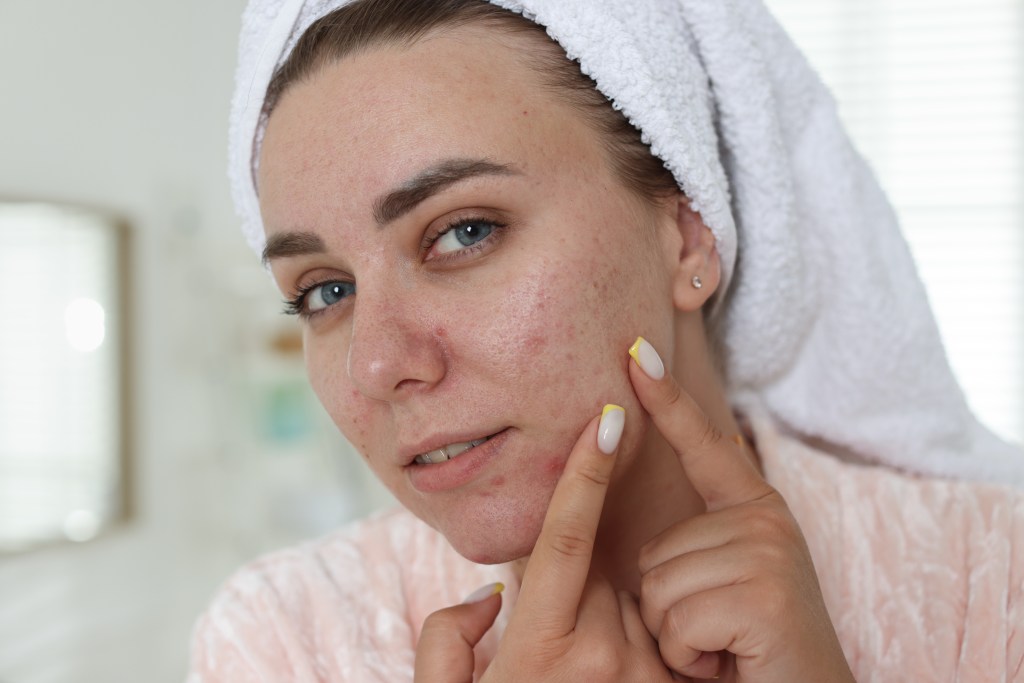
Acne scars result from structural changes that occur during the healing process. When inflammation is deep and severe, as in cystic acne, the damage extends into the deeper layers of the skin.
If the skin produces too little collagen during healing, indented scars form. These include pitted, rolling, and boxcar scars. These deep acne scars create depressions in the skin’s surface, leading to an uneven texture.
If the skin produces too much collagen, raised scars can form. Hypertrophic scars and keloid scars develop when excess collagen creates raised tissue above the surrounding skin. These types of scars are more common on the chest, back, and jawline.
Unlike hyperpigmentation, acne scars involve scar tissue and changes in skin texture. The skin feels uneven, not just darker. Because the issue is structural, topical treatments alone often cannot fully correct deep acne scars. Treatments must stimulate collagen production and rebuild support within the skin.
Effective Treatments for Hyperpigmentation
Treating hyperpigmentation is about correcting discoloration without creating more inflammation. If you are dealing with post-acne hyperpigmentation, your goal is to regulate melanin production, increase skin cell turnover, and protect the skin’s surface so dark spots can gradually fade.
Vitamin C for Brightening and Skin Tone Support
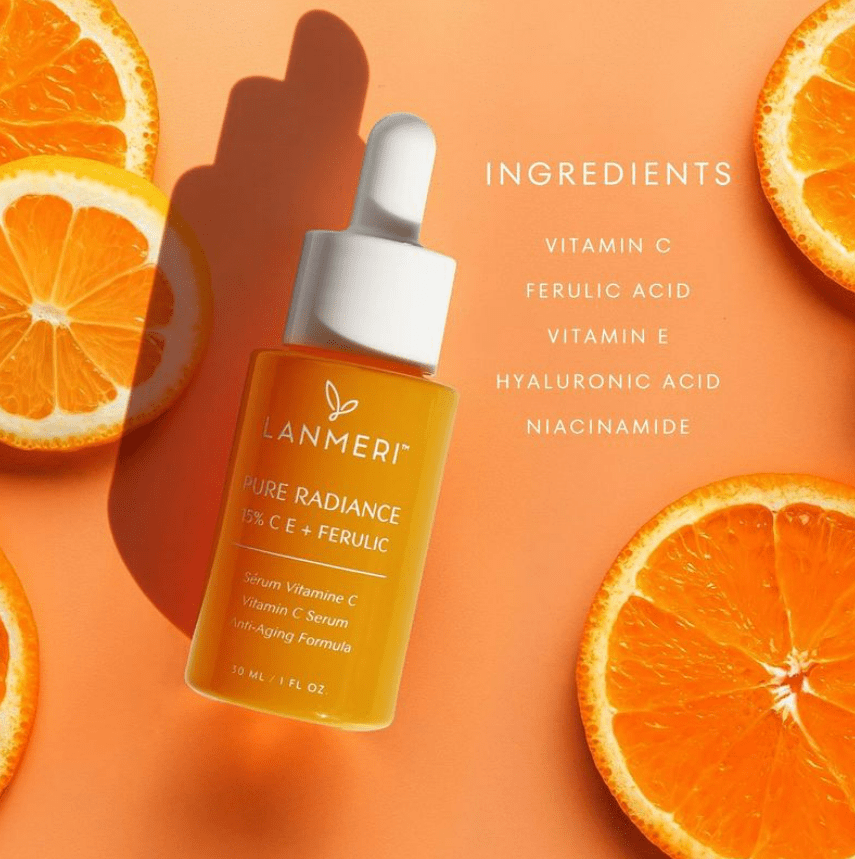
Vitamin C is one of the most studied ingredients for lightening dark spots and improving uneven skin tone. A well-formulated vitamin C serum helps fade discoloration, defend against environmental stress, and support collagen production.
For a daily brightening step that tackles dark marks and uneven skin tone while supporting skin health, consider Lanmeri Vitamin C Face Serum – CE Ferulic Facial Serum from EveryMarket’s global collection. This serum features a potent combination of 15% pure L-ascorbic acid (vitamin C), vitamin E, ferulic acid, and hyaluronic acid—all well-known dermatology ingredients for fading dark spots, improving overall tone, and boosting hydration.
Gentle Exfoliation and Controlled Skin Cell Turnover
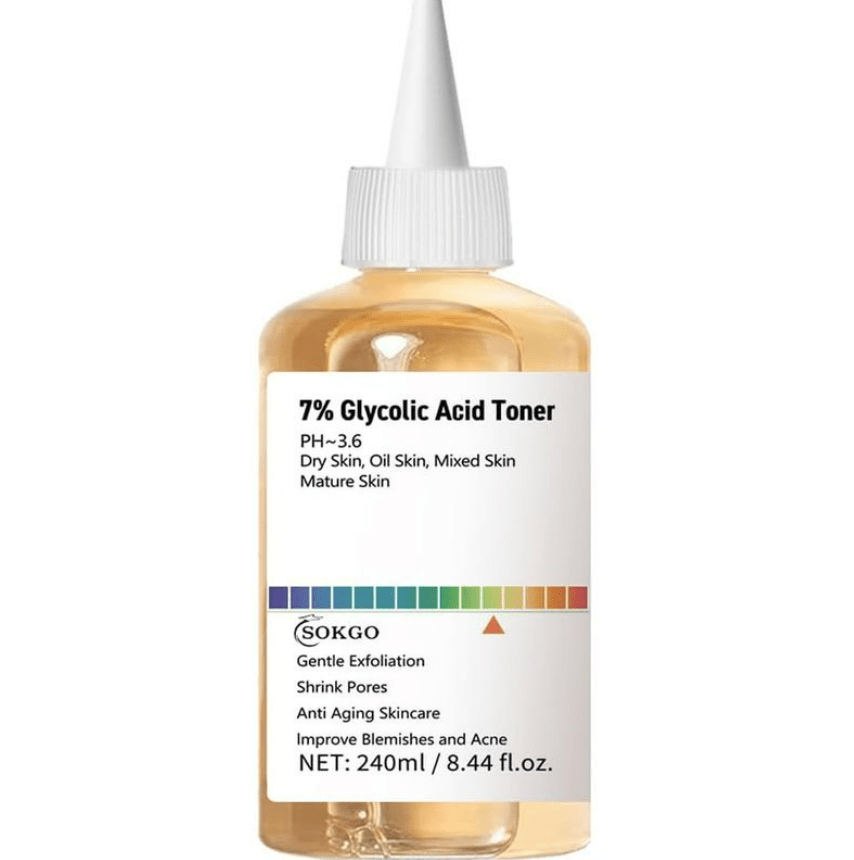
Mild chemical peels and low-percentage acid toners help increase skin cell turnover, so pigmented skin cells shed more efficiently. This allows newer, more even skin to surface over time. The key is controlled exfoliation. Overusing a strong chemical solution can worsen hyperpigmentation by triggering more inflammation and excess melanin production.
For a gentle way to help slough off dead skin cells and support brighter, more even skin tone, consider the Glycolic Acid 7% Exfoliating Toner. Glycolic acid is an alpha-hydroxy acid (AHA) that works by dissolving the bonds between dead skin cells on the surface of your skin, encouraging skin cell turnover so fresher, more evenly pigmented cells can emerge.
For more expert-approved options, explore our guide to the Top 5 Korean Toners Loved by Skincare Experts, especially if you’re looking for gentle exfoliating formulas that support brighter, smoother skin.
Niacinamide and Retinol for Long-Term Correction
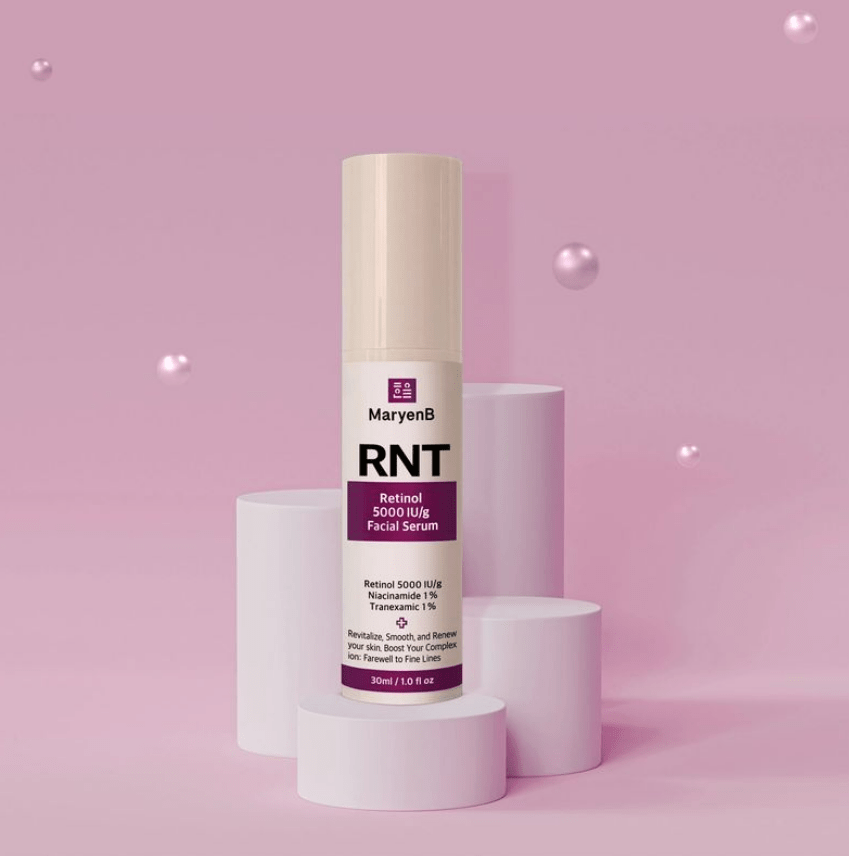
Niacinamide helps calm inflammation and regulate excess melanin production, making it ideal for preventing dark spots from becoming darker. Retinol serums are another powerful option. A well-formulated retinol increases skin cell turnover, improves skin texture, supports collagen production, and gradually fades dark marks.
To support collagen production and help improve both texture and dark marks over time, this Anti-Aging Serum with Retinol, Niacinamide & Tranexamic Acid is a standout addition to your routine. This multi-active serum combines retinol, niacinamide, and tranexamic acid, ingredients that each help fade discoloration and support clearer skin.
If you’re looking to build a routine around collagen support and long-term texture improvement, our curated list of the Best Korean Anti-Aging Products for Glowing Skin highlights serums and treatments that complement retinol-based routines.
Daily Sun Protection as the Non-Negotiable Step
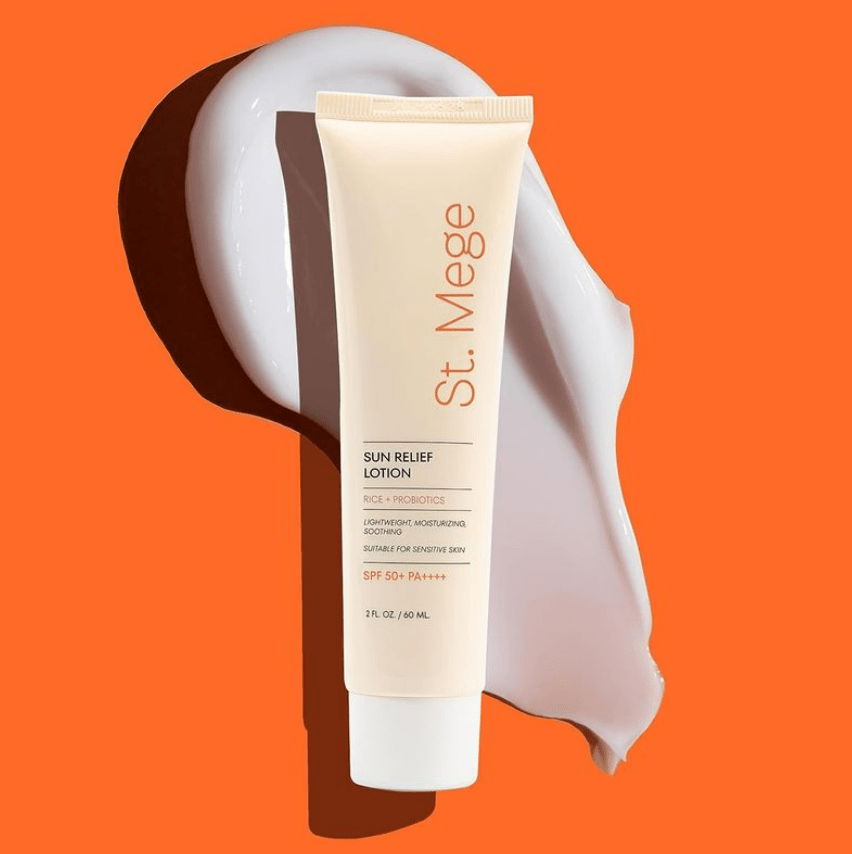
No brightening routine works without daily sun protection. UV exposure can darken existing dark spots and undo months of progress by stimulating melanin production again. Consistent SPF is essential if the goal is clearer skin.
The St.Mege Clear Rice Korean Sunscreen makes that step feel effortless. Designed with everyday wearability in mind, this Korean sunscreen blends in without leaving a white cast and doubles as a lightweight finish under makeup or alone on bare skin.
Effective Treatments for Acne Scars
Acne scars require a different strategy because the issue involves structural damage in the deeper layers of the skin. Instead of focusing solely on pigment, the goal is to stimulate collagen production and improve the uneven texture caused by scar tissue.
Professional Procedures for Structural Changes
Indented scars, such as pitted scars and rolling scars, form when the skin produces too little collagen during the healing process. Treatments that stimulate collagen are often recommended. Microneedling, laser resurfacing, and other professional procedures help trigger new collagen production and gradually smooth the skin’s surface.
A dermatologist can evaluate your scar type and determine the most effective treatments based on the affected area and severity. These professional skin treatments address structural changes that topical products alone cannot fully correct.
Supporting Collagen Production at Home
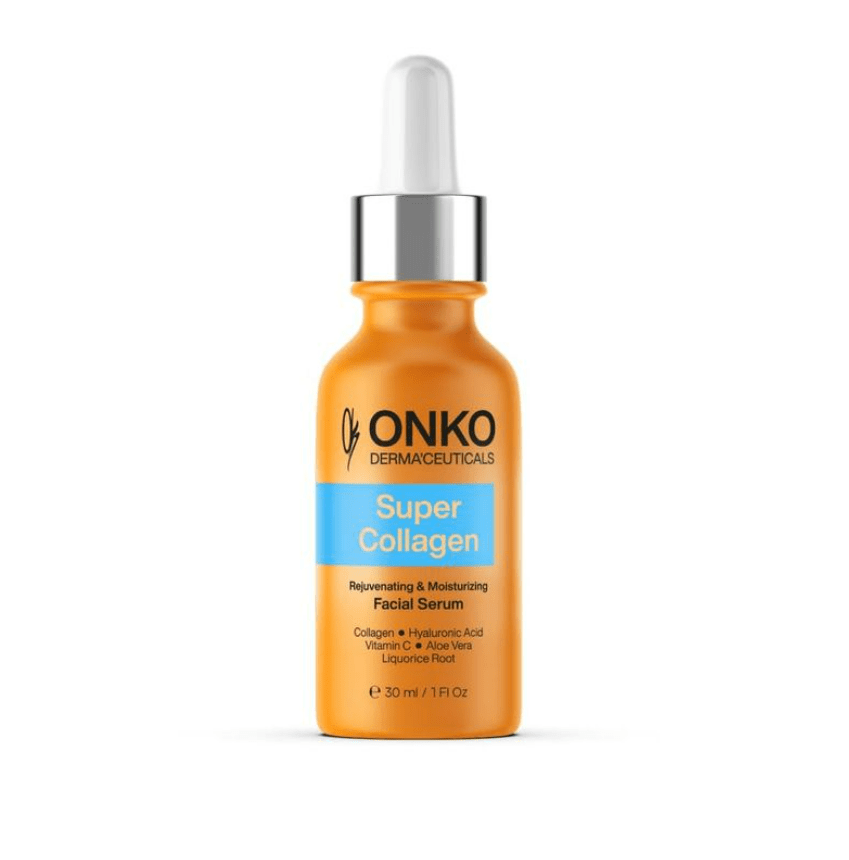
While deep acne scars often require professional treatment, at-home skincare plays a crucial supporting role. Retinol serums can stimulate collagen production over time and improve mild texture changes.
To help support skin structure and improve the appearance of early texture changes, consider the Onko Dermaceuticals Super Collagen Facial Serum. This multi-benefit serum combines key ingredients like hyaluronic acid, glycolic acid, and retinol to help support collagen production, gently exfoliate, and boost hydration, all of which can improve the appearance of uneven texture and early signs of scarring.
Rebuilding, Not Just Brightening
The ultimate goal with acne scars is to rebuild what was lost during the healing process. Unlike hyperpigmentation, which focuses on fading discoloration, acne scars require strategies that improve skin texture and restore structural support.
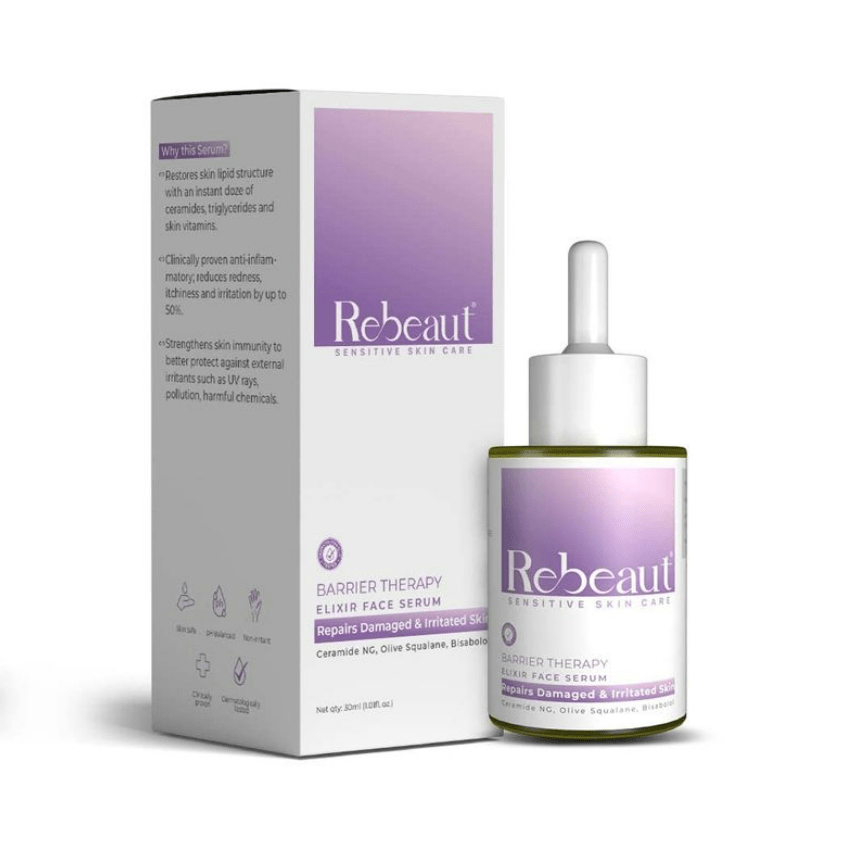
That’s where the Rebeaut Barrier Therapy Elixir Face Serum comes in.
This serum is formulated to repair damaged, irritated skin using a blend of ceramides, olive squalane, and bisabolol. All ingredients are known for calming inflammation, reinforcing the lipid barrier, and locking in moisture. A compromised barrier can make texture issues more noticeable and slow healing after resurfacing treatments or when active acne is present.
If your barrier feels compromised, irritated, or over-exfoliated, our roundup of the 6 Best Skin Barrier Repair Products can help you rebuild skin resilience before focusing on pigment correction.
Building a Routine That Supports Long-Term Skin Health
The difference between progress and frustration is precision. If you are treating post-acne hyperpigmentation, your priority is pigment control and protection. That means ingredients that regulate melanin production, encourage healthy skin cell turnover, and daily SPF to prevent dark spots from becoming darker. Consistency matters more than intensity.
If you are ready to create a routine that aligns with your actual skin concern, explore EveryMarket’s global skincare collection and choose products designed to support real, long-term results.
If you are ready to build a routine that actually matches your skin concern, explore Top Korean Makeup & Beauty Brands You Need to Know About and discover globally trusted formulas designed for real, long-term skin results.
 EveryMarket Blog
Leave a comment