
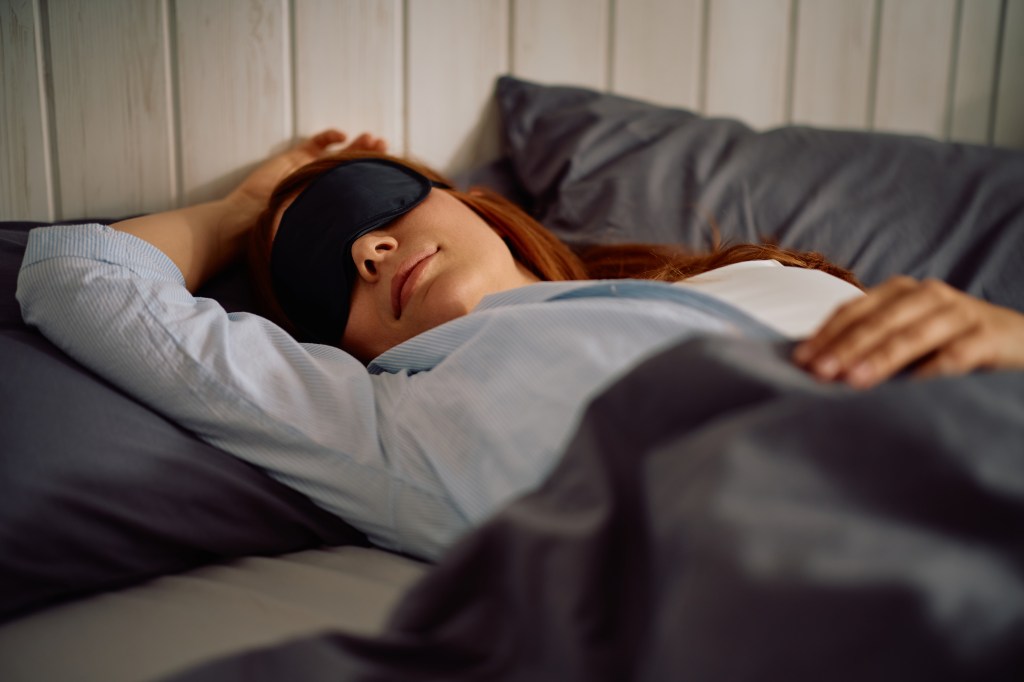
If you’re dragging through the day, craving sugar, feeling puffy, or struggling with focus, there’s a good chance sleep is the root issue. Not just quantity but quality. Many people believe they need a perfect nighttime routine to fix their sleep problems, but that belief can make the process feel overwhelming.
The truth is that sleep hygiene is about small, repeatable habits that signal safety and relaxation to the body. When these habits are consistent, your body naturally supports healthy sleep patterns. Improving sleep does not require perfection; it requires a few changes that you can repeat every day.
This guide focuses on tips for better sleep hygiene that help restore energy and support recovery. You will learn the habits that most influence sleep quality, how to build a realistic sleep routine, and what adjustments help you wake up feeling genuinely refreshed.
Tips for Better Recovery and Energy
- Start with Your Circadian Rhythm
- Create the Ideal Sleep Environment
- Support Better Sleep with Nutrition and Supplements
- Lifestyle Habits That Improve Overall Sleep Health
- When Sleep Problems Require Professional Support
- Discovering Sleep Wellness Tools on EveryMarket
Start with Your Circadian Rhythm
Healthy sleep begins with the behaviors you repeat every day. Your body responds strongly to patterns, especially those connected to your circadian rhythm, the internal clock that regulates sleep patterns, energy, and hormone release.
Many people assume sleep problems are caused by stress or busy schedules, but poor sleep hygiene habits are often the underlying cause. Improving these habits helps the body prepare for restful sleep and reduces the chances of sleep deprivation.
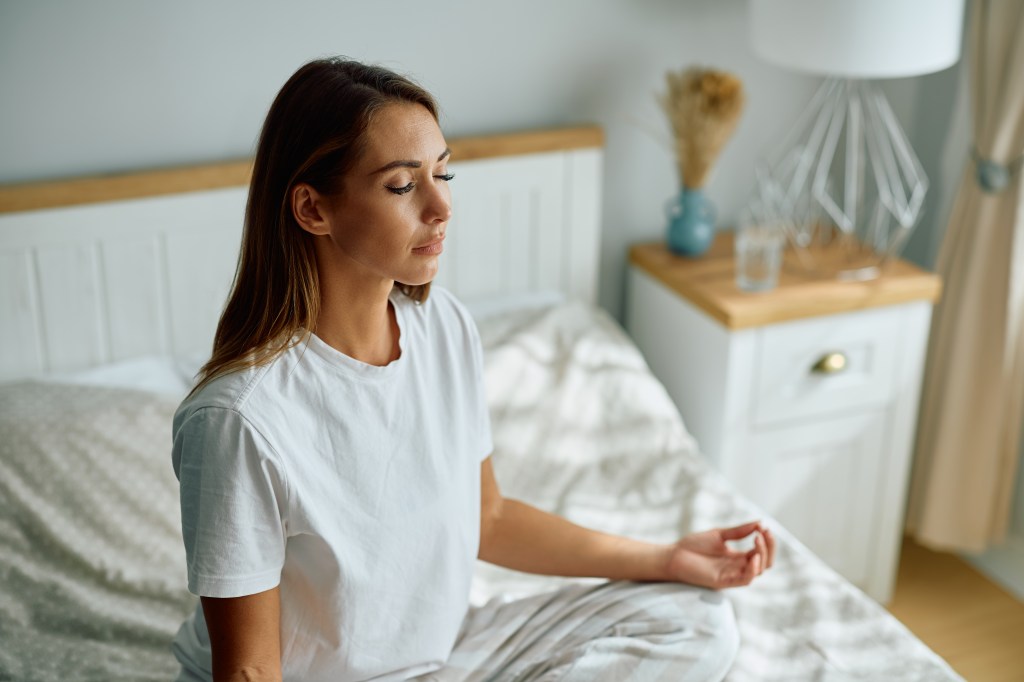
Build Healthy Sleep Habits That Support Recovery
Developing healthy sleep habits begins with consistency. A stable sleep schedule helps regulate your circadian rhythm and supports deeper recovery during nighttime sleep. When you go to bed at roughly the same time each night, your body begins releasing sleep hormones automatically.
Small changes can dramatically improve sleep health. Avoid stimulating activities before bed, practice deep breathing, and create a calm transition from your daytime routine into rest. These simple adjustments help your body fall asleep more easily.
Create a Consistent Bedtime Routine
A predictable bedtime routine helps your brain recognize when it is time to wind down. This routine may include a warm shower, reading, journaling, or listening to relaxing music. These calming activities signal that your body can transition into sleep mode.
The key is repetition. When the same actions occur every night before you go to bed, your body learns to prepare for quality sleep automatically.
Use Natural Light During the Day
Exposure to natural light early in the day is one of the most powerful ways to regulate your circadian rhythm and improve sleep patterns. Morning light signals the brain to reduce melatonin and increase alertness, which helps you feel more awake during the day and makes it easier to fall asleep at night. Research shows that bright morning light can shift the body’s internal clock earlier and improve both alertness and sleep timing.
For people who wake up before sunrise or live in darker climates, light therapy devices can help replicate this effect. A sunrise-style lamp, such as the JUXLamp Light Therapy Sunrise Wake-Up Lamp, gradually increases brightness to simulate a natural dawn while also providing high-intensity light exposure during the morning.
Studies show that consistent morning light exposure can reduce daytime sleepiness and improve attention and energy levels. When used as part of a consistent sleep routine, tools like sunrise lamps can help the body wake more naturally and make it easier to maintain healthy sleep habits.
Create the Ideal Sleep Environment
Your sleep environment strongly influences how deeply you rest. Even small environmental distractions can prevent the body from entering restorative sleep cycles.
Improving your environment helps your body achieve better-quality sleep and improves sleep efficiency throughout the night.
Keep the Bedroom Dark and Calm
A dark bedroom environment encourages melatonin production and deeper sleep. Darkness signals the brain that it is safe to enter the deeper stages of sleep.
Tools like a sleep mask, blackout curtains, or soft lighting can help create a space that supports better sleep. Many wellness shoppers also use calming tools like aromatherapy sprays or white noise machines to promote relaxation.
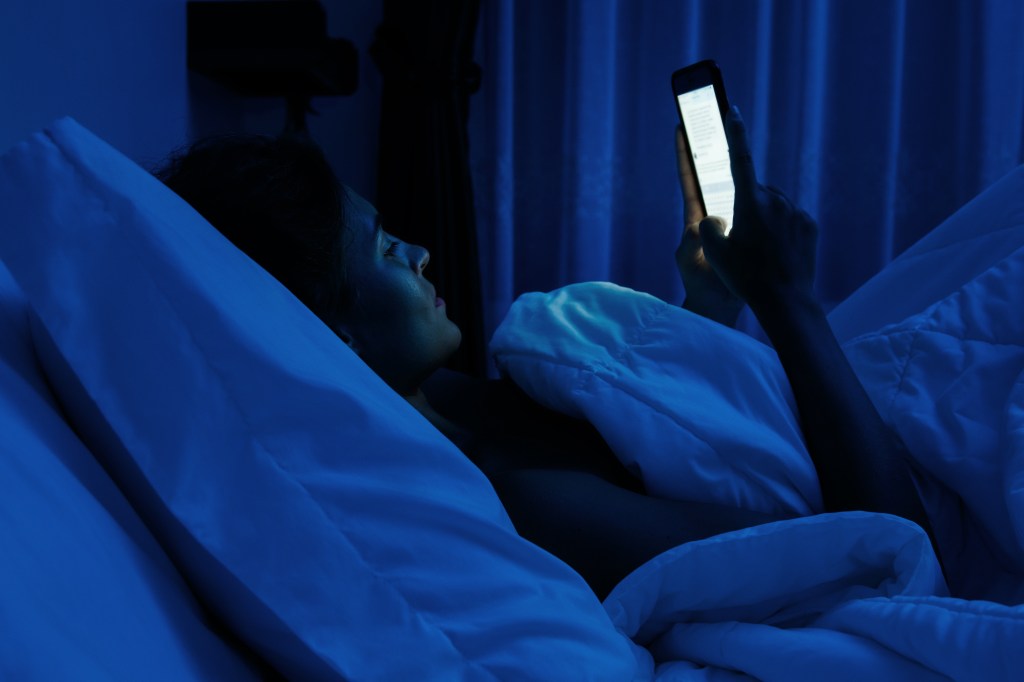
Reduce Distractions from Electronic
Electronic devices emit blue light, which interferes with melatonin production and disrupts the body’s natural sleep cycle. Sleep researchers consistently recommend reducing screen exposure hours before bedtime so your brain can begin producing the hormones needed for quality sleep.
If you cannot completely avoid light in your room, using tools that block it can make a noticeable difference. A comfortable sleep mask can therefore become a simple part of your bedtime routine, especially for travel, shift work, or shared living spaces where light is difficult to control.
Soft, light-blocking designs like the Kimkoo Sleep Mask help create a bedroom dark environment that supports better sleep and encourages the body to maintain healthy sleep patterns. Over time, reducing nighttime light exposure helps reinforce the circadian rhythm, allowing you to fall asleep faster and wake up feeling more rested.
If you enjoy exploring products designed to improve comfort and relaxation at home, the guide The Trending Products That Consistently Live Up to the Hype highlights popular items across wellness, lifestyle, and home categories.
Support Better Sleep with Nutrition and Supplements
Nutrition and lifestyle habits also influence sleep quality. What you eat and drink in the evening can either support or disrupt your ability to fall asleep.
Many people unknowingly sabotage their sleep with late-night stimulants or heavy meals.
Limit Stimulants and Late Meals
Caffeine intake late in the day can interfere with the body’s ability to relax. Drinks like coffee, energy drinks, and other caffeinated drinks stimulate the nervous system and delay sleep onset.
It is also helpful to eat dinner earlier in the evening. Large meals or heavy foods close to bedtime can disrupt digestion and reduce sleep duration.
Supplements That Help You Sleep Better
Certain supplements can help you sleep better when used responsibly. Many people use magnesium, herbal blends, or natural relaxation formulas as part of their sleep routine.
Other tools such as calming sprays, herbal teas, or aromatherapy products may support relaxation. Many wellness shoppers explore these options when building a routine for better sleep and recovery.
For readers comparing wellness products and supplements online, the Ultimate Smart Shopper’s Guide: How to Find the Best Products, Deals, and Trends Online explains how to evaluate product quality and discover new wellness solutions.

Lifestyle Habits That Improve Overall Sleep Health
Sleep is deeply connected to your overall lifestyle. Daily movement, stress levels, and routines all influence whether your body achieves healthy sleep.
Improving daytime habits often leads to better nighttime recovery.
Exercise and Daily Activity
Regular movement supports both physical health and mental health. Studies show that regular exercise helps people fall asleep faster and improves overall sleep quality.
Even light activity during the day can reduce sleep debt and help maintain a healthy weight, which contributes to better long-term sleep health.
Limit Alcohol and Evening Disruptions
Many people believe alcohol helps them sleep, but alcohol actually disrupts deep sleep cycles. Drinking alcohol before bed often leads to lighter sleep and frequent waking.
Experts recommend limiting alcohol consumption in the evening or choosing to avoid alcohol entirely before bedtime. Reducing alcohol can significantly improve a good night’s sleep and recovery.
When Sleep Problems Require Professional Support
Occasional poor sleep happens to everyone. Stress, travel, or temporary schedule changes can interrupt a good night’s sleep from time to time. However, when sleep issues persist for weeks or months, they may indicate a deeper health concern rather than a simple lifestyle disruption. Chronic sleep deprivation can affect mental health, immune function, and overall physical health, making it important to address long-term sleep difficulties.
Some people assume their sleep problems are simply part of a busy life, but persistent trouble sleeping should not be ignored. Conditions such as sleep apnea, obstructive sleep apnea, or chronic insomnia can interfere with the body’s ability to reach restorative stages of sleep.
When the body repeatedly fails to achieve quality sleep, recovery declines, and daily energy levels suffer. Seeking guidance from a qualified professional can help identify the underlying cause and restore healthier sleep patterns.
Discovering Sleep Wellness Tools on EveryMarket
Improving sleep hygiene often becomes easier when the right tools support your routine.
EveryMarket’s marketplace makes it easier to explore wellness products that support sleep health. Instead of browsing only mainstream retailers, shoppers can discover highly rated sleep-support products from global wellness brands. Many people begin with simple lifestyle changes, but small additions such as magnesium sprays, supplements, or sleep-supporting devices can help reinforce healthy sleep habits and encourage deeper rest.
For readers who enjoy discovering wellness tools that support healthy routines, the guide What Is EveryMarket? explains how the platform curates trusted products from global brands across health, wellness, and lifestyle categories.
Build a Sleep Routine That Helps You Sleep Better
Improving sleep rarely comes from one dramatic change. Instead, it comes from small habits practiced consistently until they become part of your daily rhythm.
The most important takeaway is that good sleep hygiene is not about perfection; it is about alignment. When your environment, schedule, and evening habits all signal that it is time to rest, your body naturally shifts into deeper, more restorative sleep cycles. These small signals, repeated night after night, help create the foundation for better sleep, stronger recovery, and greater resilience throughout the day.
As you refine your routine, supportive tools can make the process even easier. Many wellness-focused shoppers explore products such as calming sprays, light therapy lamps, sleep masks, and natural supplements to reinforce their healthy sleep habits.
EveryMarket’s marketplace offers a wide selection of wellness products designed to support relaxation, improve sleep environments, and help people build routines that lead to good quality sleep and lasting energy.
If you are new to the platform, How EveryMarket Works: Bringing Trusted Global Brands to You explains how the marketplace connects shoppers with curated products from global wellness brands.
 EveryMarket Blog
Leave a comment