
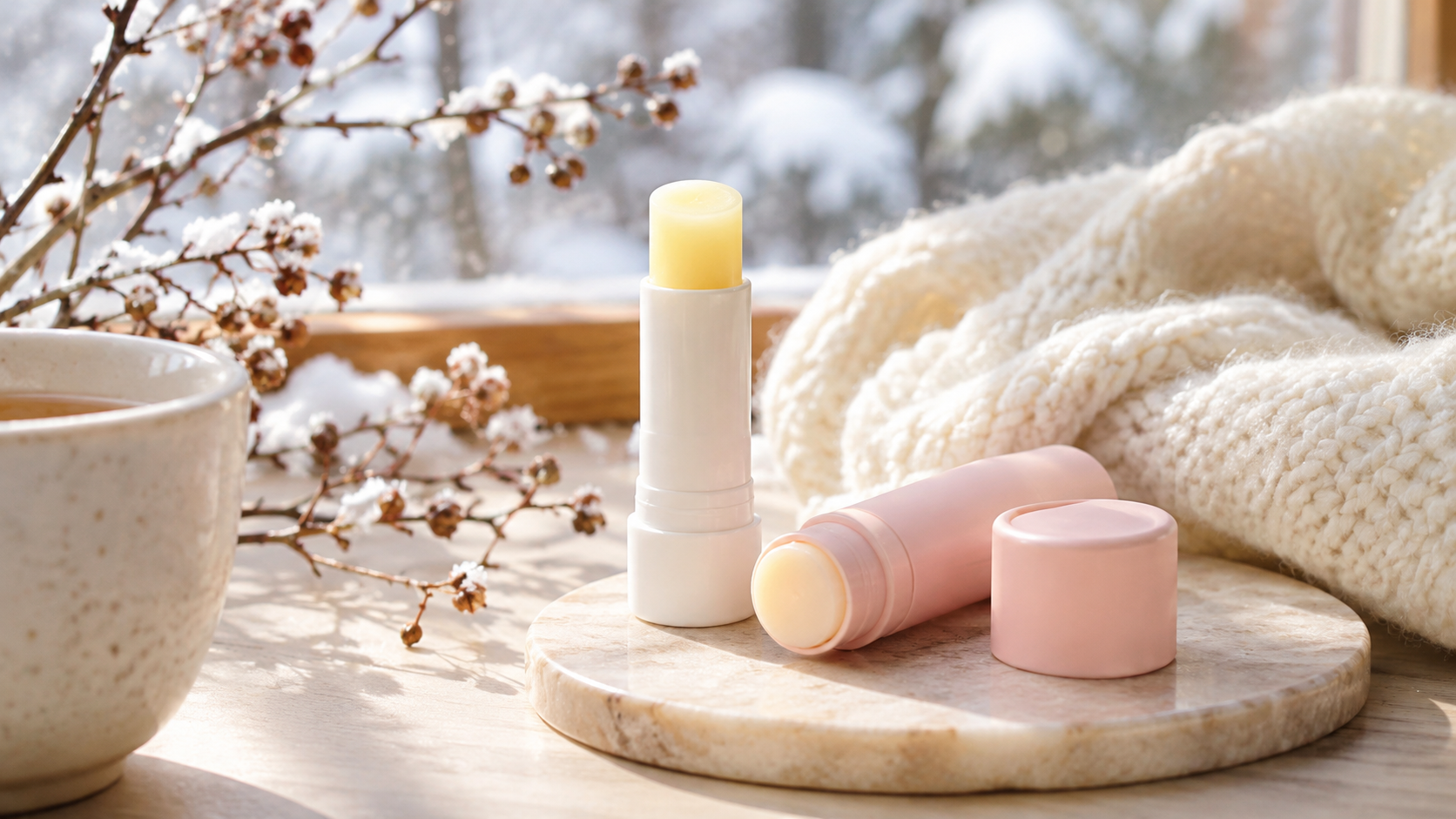
Looking for a Japanese lip balm that actually fits your routine? Start with three questions: do you want a simple everyday stick, a richer balm for nighttime, or a lip product with sun protection? Japanese drugstore lip care offers all three, but formulas, fragrances, and labeling differ widely. This practical guide helps US shoppers choose without confusing a cosmetic moisturizer with a medicine.

The quick answer: choose by use case, not by hype
For everyday moisture: a comfortable, easy-to-reapply stick is often the most useful choice. For overnight care: a thicker balm may suit people who prefer a protective layer while sleeping. For outdoor winter activities: consider a lip balm with clearly labeled SPF and follow its reapplication directions. For sensitive lips: prioritize ingredient transparency and avoid ingredients you know irritate your skin.
Japanese lip balm types explained
Everyday lip cream
A standard lip cream is designed for convenient, repeat application. The texture may be waxy, creamy, or lightweight depending on the formula. A small stick is useful for a coat pocket, purse, or desk.
Overnight lip balm or mask
These products usually have a richer feel. They can be useful when indoor heating and dry air leave lips uncomfortable, but thicker is not automatically better for every person.
SPF lip balm
UV exposure does not disappear in winter, especially during outdoor activities. Choose a product with a clearly stated SPF value and follow its label. Do not assume every Japanese lip balm has SPF.
Japanese ‘medicated’ lip products
Japanese labels such as 薬用 (yakuyō) and 医薬部外品 (quasi-drug) reflect Japanese product classifications. They do not automatically establish US drug approval or justify treatment claims in an American shopping guide. Always check the precise product and local labeling.
Two Japanese lip-care products to compare on EveryMarket
DHC Medicated Lip Balm: compact stick format
EveryMarket has a listing titled DHC Medicated Lip Balm, 1.5 g × 4 Packs. This is a multi-pack rather than a single stick, so check the current listing carefully before buying. DHC’s own Lip Cream information describes olive oil, squalane, and other emollient ingredients in its US-market formula. Formulas can differ by market or variant; do not assume the EveryMarket pack has an identical ingredient list without checking its package.
Rohto Mentholatum: a nighttime-focused option
Another EveryMarket listing is Mentholatum Repair One Night Care Lip. The listing positions it as a night-care lip product, but its unusually long title and therapeutic wording make verification especially important. Confirm the exact package, manufacturer, ingredient panel, availability, and shipping information before purchase. This article does not endorse unverified treatment claims.
These are examples of listings to investigate, not a performance ranking. We have not independently tested either product. Inventory and seller terms can change.
How to read the ingredients
Occlusives and emollients
Ingredients such as petrolatum, waxes, lanolin, and certain oils can help create a protective feel and reduce moisture loss. If you have a lanolin allergy or another known sensitivity, read the full ingredient list.
Humectants
Some formulas contain water-binding ingredients, but a single ingredient does not tell the whole story. The overall formulation determines the product’s feel and performance.
Menthol, camphor, and fragrance
Cooling or scented lip products appeal to some shoppers but can be uncomfortable for others. When lips are irritated, a simple fragrance-free option is often a sensible starting point.
A winter lip-care routine that is easy to maintain
Morning: apply a comfortable balm before going outside; use an SPF lip product for sun exposure as directed. During the day: reapply as needed, especially after eating or wiping your lips. Evening: choose a richer texture if it feels comfortable. Avoid picking flaky skin or repeatedly licking your lips, which can worsen dryness.
For persistent cracking, bleeding, swelling, or irritation, ask a qualified clinician rather than relying on a cosmetic product to treat the problem.
What to check before buying imported Japanese lip balm
Read the complete product name and number of units; a four-pack is not the same as a single stick. Check the product’s country-specific packaging, whether the seller provides an ingredient list, and the current delivery and return conditions. Avoid assuming that a Japanese drugstore label carries the same regulatory meaning in the US.
Frequently asked questions
Is Japanese lip balm better than US lip balm?
Not necessarily. Both markets have effective moisturizers. Compare ingredients, texture, fragrance, SPF, and your personal preferences rather than country of origin alone.
What is a good Japanese lip balm for winter?
Choose a formula you can use consistently. A simple stick works well for many people during the day; a richer balm may be more comfortable overnight.
Does every Japanese lip balm contain SPF?
No. Check the exact label for an SPF rating. Products without a stated SPF should not be treated as sun protection.
Is DHC lip cream the same as DHC medicated lip balm?
Names and formulations may vary by market and packaging. Verify the exact item rather than assuming two similarly named products are identical.
Can lip balm cure severely cracked lips?
A moisturizing balm may help with ordinary dryness, but persistent or severe symptoms deserve professional assessment. Do not infer medical efficacy from a marketplace listing’s marketing language.
Continue exploring Japanese beauty
For a wider overview, read Best Japanese Skincare Brands and the Japanese Skincare Complete Guide. For winter hand care, see our Japanese hand cream guide.
Editorial note: The hero image is illustrative, not a depiction of the linked products. Product listings, stock, and seller terms may change. This article is educational and does not replace medical advice.


Leave a Reply